
Introduction
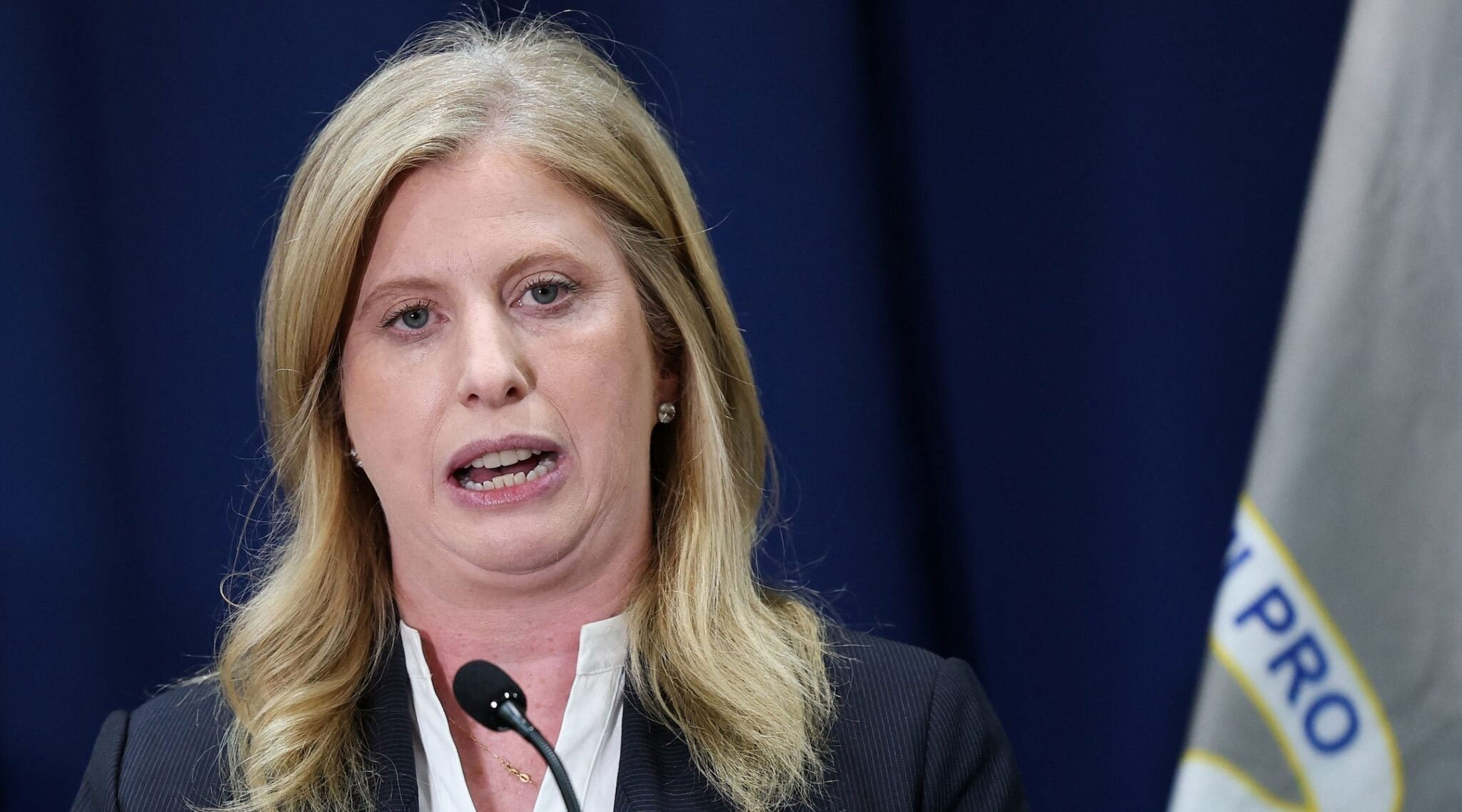
As New York City faces ongoing challenges related to waste management and sanitation, the appointment of Jessica Tisch as the new Sanitation Commissioner marks a pivotal moment for the city’s infrastructure. Tisch, who took office earlier this year, is expected to implement innovative strategies aimed at improving cleanliness, enhancing recycling efforts, and modernizing the city’s sanitation operations. Her role is critical as NYC grapples with increasing waste and sustainability issues.
Background and Experience
Before becoming Commissioner, Jessica Tisch served as the Chief Technology Officer for New York City, where she oversaw several technological initiatives within city government. With a robust background in systems management and urban sustainability, Tisch brings a unique perspective to the Department of Sanitation. Her tenure as CTO allowed her to witness firsthand the inefficiencies of city systems, fueling her commitment to revolutionize waste management practices.
Key Initiatives and Plans
In her new role, Tisch aims to address the pressing issues surrounding the sanitation department. One of her primary initiatives is to expand composting programs citywide, thereby reducing the amount of organic waste sent to landfills. In addition, she is focusing on enhancing recycling techniques and educating residents about waste disposal best practices. These initiatives align with the city’s goals to achieve zero waste by 2030.
Tisch is also advocating for the integration of technology within sanitation operations—an effort that includes implementing smart waste bins that can monitor levels of waste and alert collection crews when they need to be emptied. This technology-driven approach not only optimizes operations but also promises a cleaner and more efficient sanitation system.
Community Engagement and Challenges
Understanding the importance of community engagement, Tisch plans to roll out outreach programs that encourage citizen participation in sanitation efforts. By fostering a culture of cleanliness and responsibility, she hopes to cultivate better habits among New Yorkers regarding waste management.
However, Tisch’s role is not without challenges. The looming threat of budget cuts and the need for additional funding for new projects could hinder some initiatives. Furthermore, as the city continues to recover from the pandemic, balancing resources amidst rising needs will require careful management and innovative solutions.
Conclusion
Jessica Tisch’s leadership as the Sanitation Commissioner brings a wave of optimism to New York City’s waste management scenario. Her innovative strategies and commitment to community engagement have the potential to transform the city’s approach to sanitation. As her initiatives roll out over the coming months, residents can look forward to a cleaner, more environmentally friendly city. The success of Tisch’s plans will not only impact the efficiency of waste management but could also set a precedent for urban sanitation efforts across the nation.