
Introduction
Weather radar technology plays a critical role in contemporary meteorology, enabling scientists and forecasters to monitor and analyze weather patterns efficiently. With unpredictable climate changes and increased frequency of severe weather incidents, understanding the capabilities and functions of weather radar is more important than ever.
The Functionality of Weather Radar
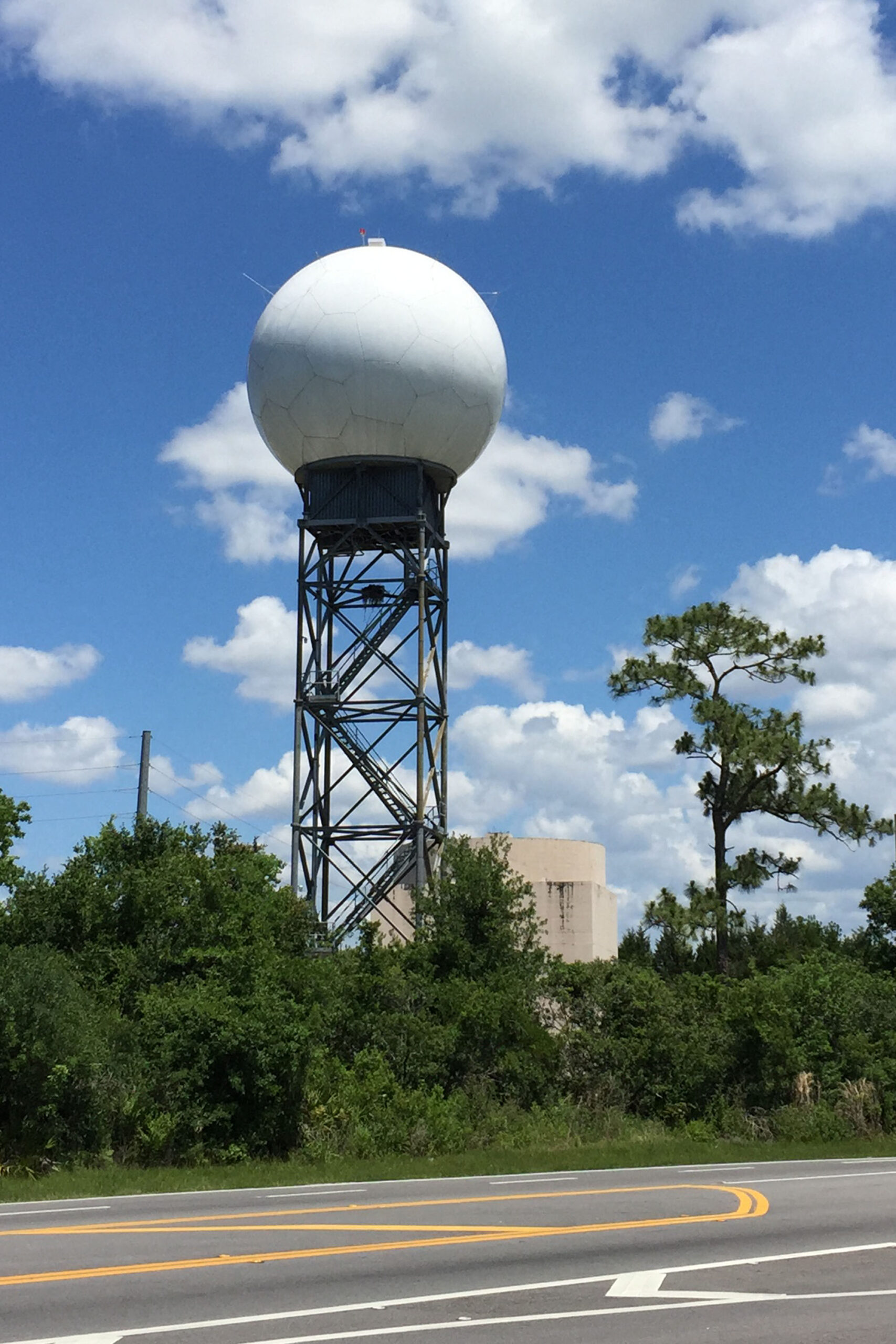
Weather radar operates primarily by transmitting radio waves into the atmosphere. These waves bounce off precipitation particles, such as raindrops, hail, or snowflakes, and return to the radar system, allowing meteorologists to gauge the intensity and movement of storms. The data transmitted creates a visual representation of weather conditions, illustrating the location and strength of precipitation across large areas.
Recent advancements in technology have led to the development of dual-polarization radar systems, which provide more detailed information by sending and receiving signals in both horizontal and vertical orientations. This enhancement allows for better differentiation between types of precipitation (like rain versus snow) and more accurate rainfall amounts.
Recent Events and Developments
In the wake of various natural disasters in the United States, including hurricanes and severe thunderstorms, the importance of weather radar has become ever more apparent. For instance, during Hurricane Idalia in September 2023, weather radar was instrumental in tracking the storm’s path and intensity, enabling timely evacuations and preparations in affected areas.
The National Oceanic and Atmospheric Administration (NOAA) has been investing in updating and enhancing radar networks, such as the Next Generation Radar (NEXRAD) system, to improve forecasting accuracy. The agency has also increased collaboration with local meteorological services, ensuring timely and precise updates to communities facing adverse weather conditions.
Conclusion
As climate-related events become more frequent and severe, the advancements in weather radar technology stand to enhance the safety and preparedness of communities across the globe. By providing crucial data that helps predict storms and other weather phenomena, weather radar systems not only save lives but also support effective emergency management strategies. The ongoing development and implementation of these technologies will remain vital in tackling the challenges posed by an unpredictable climate, underscoring the significance of understanding and investing in weather radar systems for future generations.