
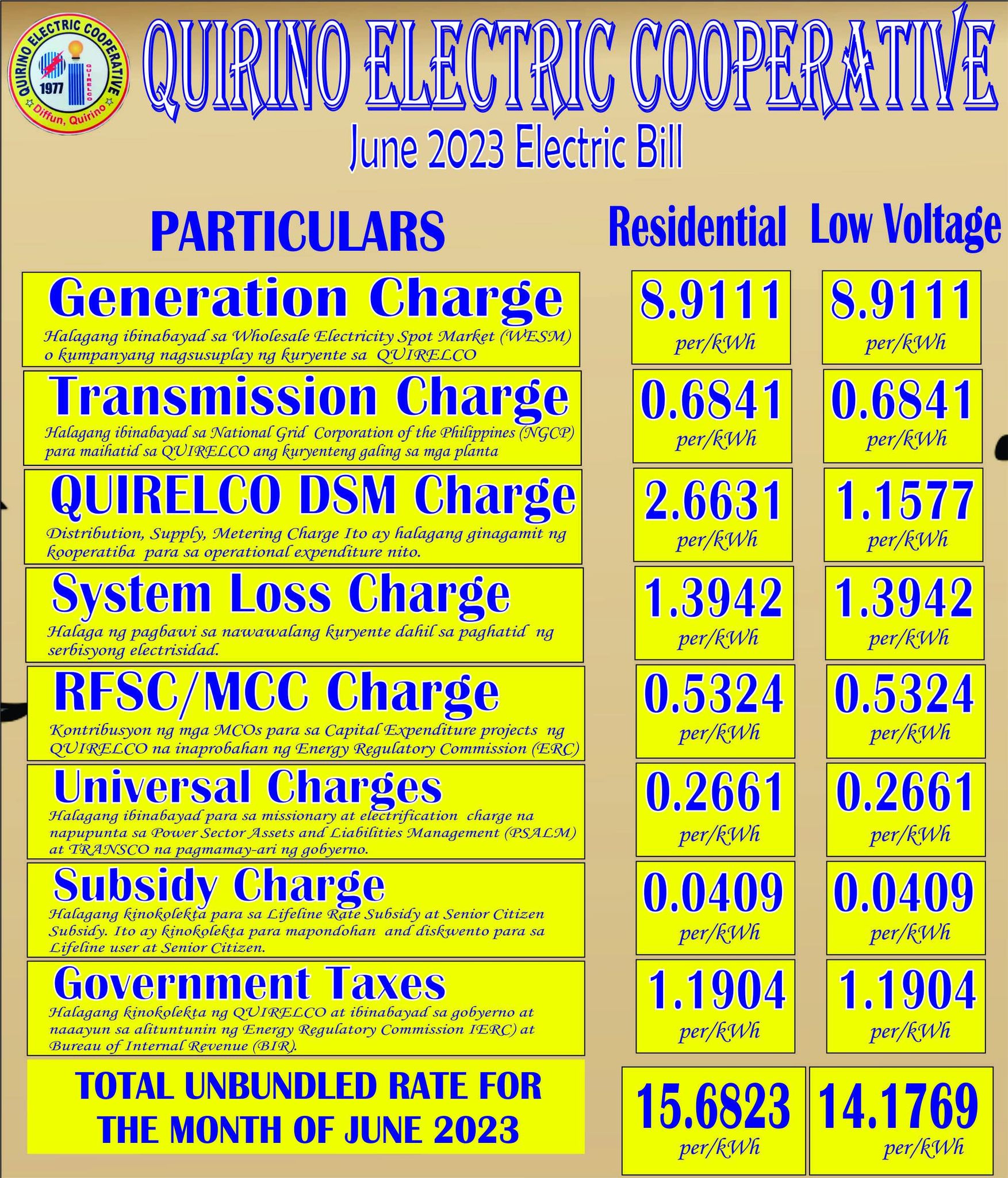
Introduction to Energy Rates
Energy rates have become increasingly relevant in today’s economy as consumers and businesses seek to manage rising utility costs. These rates, determined by various factors including market demand, energy production methods, and government regulations, can significantly impact household budgets and operational costs for companies.
Recent Trends in Energy Rates
As of late 2023, the trends in energy rates show a significant fluctuation, especially following the global shifts in supply and demand. According to the U.S. Energy Information Administration (EIA), average electricity rates have increased by approximately 5% compared to the previous year. This rise stems from several factors: heightened demand for energy, issues related to supply chains, and the ongoing transition towards renewable energy sources.
Natural gas prices have also seen volatility with an increase in production costs and seasonal demand. In particular, the anticipated colder months are likely to spur higher demand for heating, thereby exerting upward pressure on natural gas prices. Recent reports suggest natural gas prices may rise by 10% in some regions as winter approaches.
Impacts on Consumers and Businesses
The implications of rising energy rates are profound; for consumers, increased electricity and gas prices can lead to higher monthly utility bills, particularly affecting lower-income households. A recent study from the National Energy Assistance Directors’ Association highlights that many families are struggling to meet energy costs, with about 20% of household income now devoted to energy expenses in some regions.
For businesses, especially those in energy-intensive industries, changes in energy rates can lead to challenging budget forecasts. Companies may need to explore energy efficiency measures or consider alternative energy sources to mitigate the impact of rising costs. Furthermore, the push towards decarbonization and regulatory changes are prompting businesses to invest in innovative energy solutions, though often at significant upfront costs.
Conclusion and Future Outlook
Observers indicate that while current trends show rising energy rates, the future may bring a more stable pricing environment as increased investments in renewable energy production come online. Additionally, improved energy efficiency technologies could divert demand from traditional energy sources, easing rate pressures over time. However, ongoing geopolitical tensions and climate change discussions will continue to affect energy markets in unpredictable ways. For consumers and businesses alike, staying informed about energy rates and understanding usage patterns remains crucial for managing these essential expenses.