
Introduction
The recent arrests during a church protest in Minnesota have raised significant discussions about social issues and community responses. As communities across the nation grapple with various social justice matters, this event underscores the tensions that exist when activism intersects with faith-based institutions.
The Events Unfold
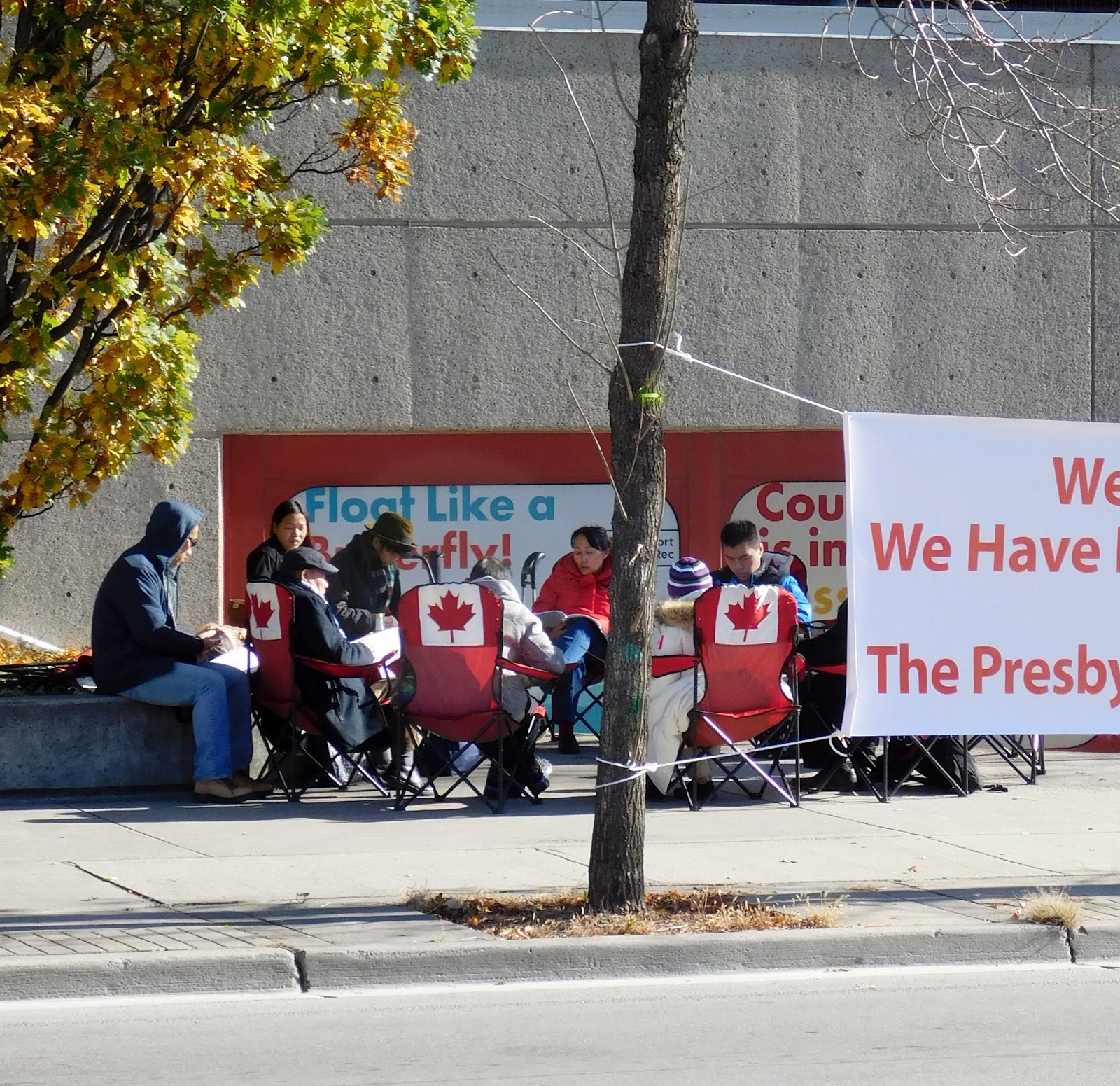
Last Sunday, a protest was held outside St. Paul Evangelical Lutheran Church in Minnesota. Organized by a coalition of local activist groups, the demonstration aimed to draw attention to issues of racial injustice and climate change, demanding that the church take a more vocal stand on these critical issues. The protest saw participation from over 100 individuals, consisting of both congregants and outside activists.
However, the peaceful demonstration took a turn when church officials, feeling that the protest was disruptive, called local law enforcement. Officers arrived and attempts to disperse the protest resulted in several confrontations. Ultimately, six individuals were arrested for misdemeanors, including resisting arrest and failure to disperse. Witnesses noted that while most participants remained peaceful, tensions escalated as officers moved in.
Community Reactions
The arrests have sparked a wave of reactions from both sides of the community. Supporters of the protest argue that the church needs to align its actions with its preaching, calling it hypocritical to remain silent on pressing societal issues. In contrast, some church members expressed disappointment over the protest tactics, fearing it would alienate those within their community.
Local government officials have also weighed in. Mayor Melvin Carter acknowledged the right to protest but emphasized the need for such expressions to be balanced with respect for public space and community harmony. Meanwhile, local police have stated that their goal was to ensure safety while allowing free speech.
Conclusion
The arrests during the Minnesota church protest emphasize the ongoing struggle between advocacy and institutional conservatism in the face of pressing social issues. As dialogues continue, it will be crucial for the church and the community to find a path that honors both social justice and their foundational beliefs. The outcome of this situation may influence how similar protests are handled in the future and could spur deeper conversations about the role of faith in social activism. As unrest continues, communities across the nation watch closely, eager to learn from this unfolding narrative.