
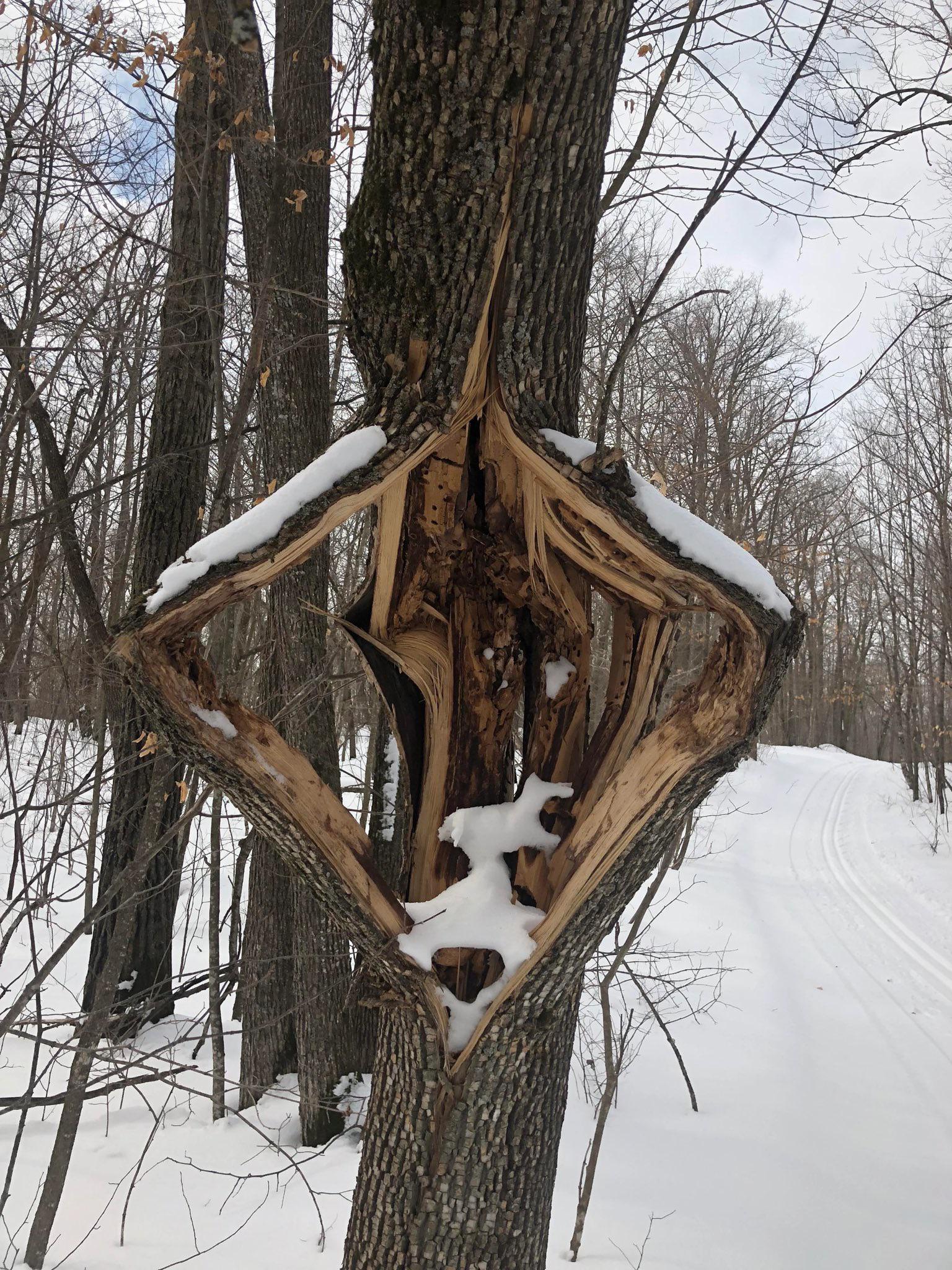
The Phenomenon of Exploding Trees
As winter settles in, the phenomenon of exploding trees has garnered attention across various regions. This alarming occurrence typically manifests when temperatures plummet quickly, causing the water within a tree’s cells to freeze rapidly. The process can lead to a buildup of pressure that ultimately causes the tree to split or even explode, producing cracking sounds similar to gunfire. Weather experts and arborists are increasingly concerned about the implications of this rare atmospheric condition.
Why Do Trees Explode?
The internal structure of trees is delicate, filled with liquid sap and water. In extremely cold temperatures, these fluids freeze and expand, creating immense pressure within the cell walls. If the pressure becomes too great, the tree may fracture. Different species of trees are affected differently; softwood species are more prone to this phenomenon than hardwoods. Trees that are already weakened by disease or previous environmental stresses have a heightened risk of exploding.
Recent Incidences
This winter, several regions across the northern United States and parts of Canada reported an increase in incidents of exploding trees as temperatures dipped into the negative Fahrenheit range. Local wildlife agencies have documented several cases where nearby residents reported loud cracking noises, only to discover trees severely damaged or broken apart in their neighborhoods. This has raised concerns regarding public safety, particularly in areas where falling branches could pose a threat.
Implications for the Environment and Communities
The impact of exploding trees goes beyond the immediate damage they cause. The destruction of trees in urban landscapes affects not only the aesthetic appeal but also the environmental balance. Trees play a vital role in carbon sequestration, air quality improvement, and providing habitats for wildlife. Furthermore, as tree populations decline due to extreme weather phenomena, communities may experience longer-term ecological changes.
Conclusion
With the increase in climate-related weather patterns, the phenomenon of exploding trees due to cold is likely to be seen more frequently. Communities are urged to stay informed about tree health and potential risks in their areas. While this spectacle may seem unusual, it serves as a reminder of nature’s resilience and the challenges that come with extreme weather. As winters grow colder and more unpredictable, understanding and preparing for such phenomena will be key to minimizing risks and preserving our natural landscapes.