
Introduction
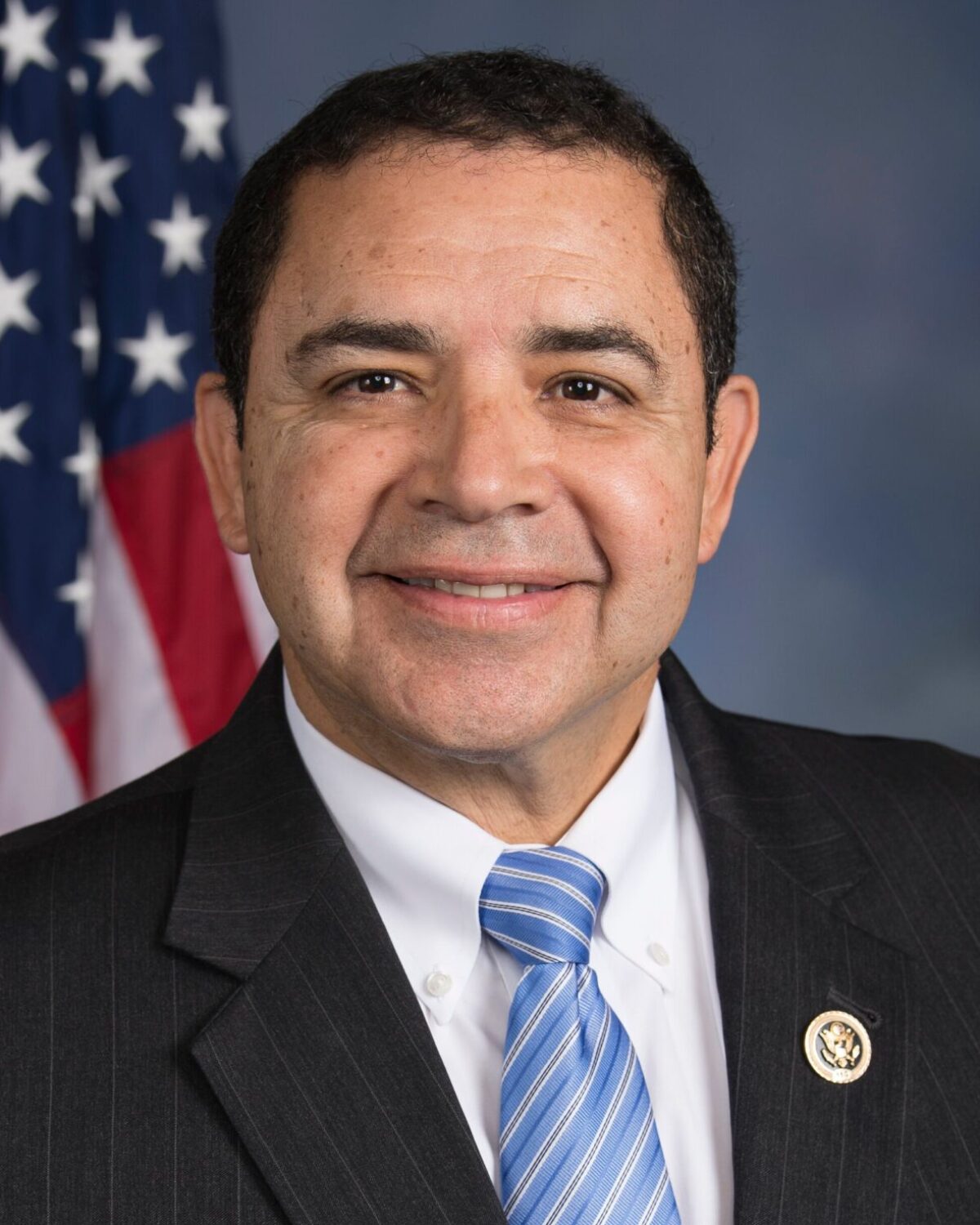
Henry Cuellar, a prominent figure in Texas politics and a long-serving member of the United States House of Representatives, continues to play a significant role in shaping key policies affecting the state and the nation. Emphasizing issues such as border security, education, and healthcare, Cuellar’s actions and decisions have garnered both support and criticism from various segments of the population. As one of the few centrist Democrats left in Congress, Cuellar’s approach is increasingly relevant amidst the polarized political climate.
Current Events and Policy Stances
Recently, Congressman Cuellar has drawn attention for his stance on immigration, particularly in relation to the U.S.-Mexico border. With the ongoing discussions surrounding border security and immigration reform, Cuellar has maintained that a balanced approach is essential. This was especially highlighted during his recent appearance at a House Subcommittee hearing, where he advocated for financial support to increase resources for border patrol and local law enforcement.
Moreover, Cuellar has been vocal about the need for bipartisan solutions to address the economic challenges facing his constituents. He has supported various local initiatives aimed at improving education and healthcare access, recognizing the pressing needs of families in his district. Cuellar’s emphasis on collaboration across party lines reflects a strategic effort to appeal to a broader audience, which includes both Democrats and Republicans in Texas.
Constituent Engagement and Challenges
Cuellar has also been actively engaging with his constituents through town hall meetings and community forums, discussing vital local issues such as workforce development and public safety. His availability and willingness to listen have earned him a reputation as a Congressman who genuinely cares about the needs of his district, particularly among the diverse communities he represents.
However, Cuellar faces challenges as he balances representing a traditionally blue district that leans toward the centrism he embodies. His decision to vote in favor of certain policies may polarize his voters, especially as national party dynamics shift. Additionally, Cuellar is up for reelection in 2024, and the political landscape is more competitive than ever.
Conclusion
As Congressman Henry Cuellar continues to navigate the complexities of his role in an evolving political landscape, his efforts to bridge divides and advocate for his constituents place him at the center of important conversations. For voters in Texas and across the nation, Cuellar’s actions may have significant implications as critical issues unfold in the next few years. Observers will be watching closely to see how he maintains his centrist stance amid intensifying political pressures, assessing the implications for future elections and policy outcomes.