

WNBA growth and commissioner’s tenure
WNBA Commissioner Cathy Engelbert has overseen a period of significant growth for the league since her appointment in 2019. Under her leadership, the league has expanded to 15 teams, with plans to reach 18 by 2030. This expansion has reportedly led to increased expansion fees for existing owners. The league has also seen substantial financial growth, with a new media rights deal reportedly valued at $3 billion, an increase from an initial valuation of $2.2 billion. Viewership and attendance have reached record levels, contributing to historic revenue targets. Engelbert also guided the league through the 2020 pandemic season and facilitated the sale of the Atlanta Dream from an owner who opposed the league’s public stance on the Black Lives Matter movement. Additionally, the league has seen an increase in national broadcast availability, with over 220 of its games available on national platforms this year, compared to 80 when Engelbert began her tenure. By the midpoint of the 2026 season, the league had surpassed 63 million unique viewers, matching the previous season’s total.
Despite these achievements, Engelbert has faced increasing public criticism. She has been met with boos at public events, including during an in-season tournament trophy ceremony and the 2025 WNBA Finals. Fans also chanted “pay them” during her speech at last year’s All-Star game in Indianapolis.
Stakeholder concerns and communication style
Concerns have been raised by various stakeholders within the league regarding Engelbert’s leadership and communication style. High-ranking team officials have anonymously expressed a desire for clearer leadership. Players, considered major stakeholders in the league, have also voiced reservations about her interpersonal dynamics. Napheesa Collier, a prominent player, publicly criticized Engelbert during an exit interview, stating the league had the “worst leadership in the world” and recounting a private conversation where Engelbert allegedly made dismissive comments about player complaints and the financial contributions of young stars.
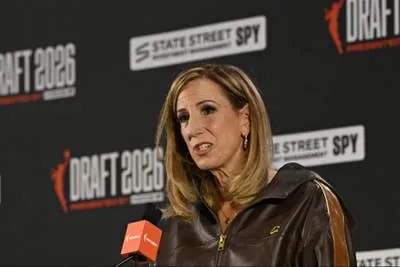
Engelbert later denied making these specific comments. Other players, including Candace Parker, have noted a lack of personal engagement from Engelbert, contrasting it with interactions they have had with NBA Commissioner Adam Silver. Parker mentioned receiving texts and gifts from Silver, but never hearing from Engelbert, even upon her retirement.
Engelbert’s absence from significant league events has also drawn attention. She was not present at the WNBA’s 30th anniversary game between the Los Angeles Sparks and the New York Liberty on June 21, opting instead to attend the U.S. Open. She also missed the 2026 Women’s Basketball Hall of Fame induction ceremony, which honored several notable figures, including Parker.
The question of who Engelbert reports to has also emerged, particularly given that Silver appointed her in 2019 and gave her the commissioner title. Silver has acknowledged his behind-the-scenes involvement in league matters, including CBA negotiations and reportedly the disciplinary process for Phoenix Mercury forward Alyssa Thomas. When asked about Engelbert’s job performance, Silver has praised her work but remained noncommittal about her future, stating they would have “ongoing discussions” about it.
Despite these challenges, Engelbert presided over negotiations that resulted in the league’s first million-dollar player contract, a process that took 17 months and involved eight marathon bargaining sessions. While this led to higher salaries for players, some, like WNBPA vice president and New York Liberty forward Breanna Stewart, describe the relationship with Engelbert as one of mutual respect rather than a personal connection.
The league is also actively addressing issues such as online toxicity directed at players, implementing tools like the Social Protect platform and the “No Space for Hate” initiative, along with providing mental health and security resources. Commissioner Engelbert acknowledges the challenge of addressing these issues, noting it is a complex problem rooted in social media and societal dysfunction.
Source: nytimes.com