
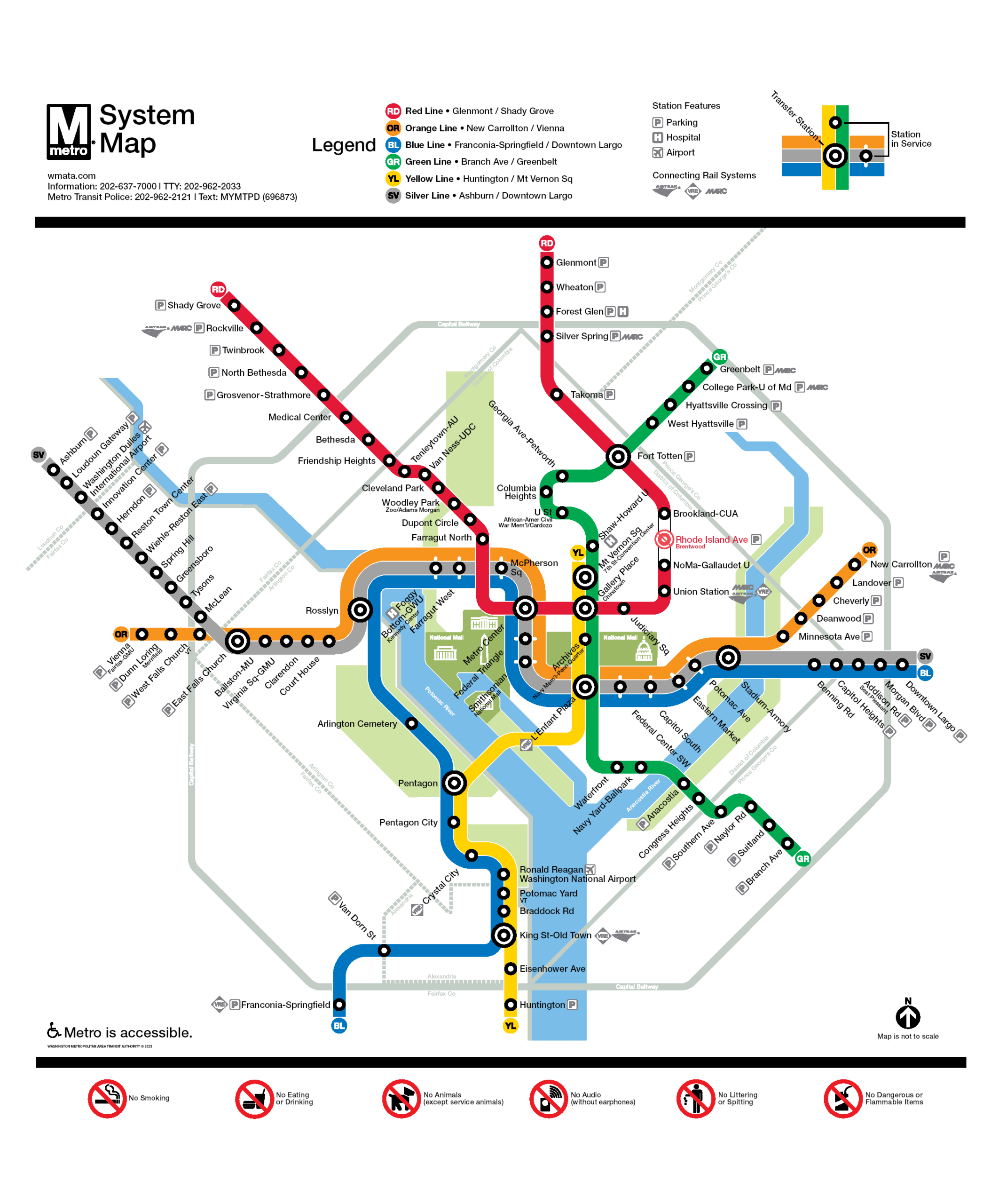
Introduction to WMATA
The Washington Metropolitan Area Transit Authority (WMATA) plays a critical role in the daily lives of millions in the D.C. metropolitan area. As the managing body for the Metrorail and Metrobus systems, WMATA not only facilitates commutes for workers but also enhances the overall transportation infrastructure in the region. Understanding the latest updates and developments is vital for commuters, stakeholders, and policy makers.
Transportation Developments and Challenges
As of October 2023, WMATA is facing several challenges as it operates in a post-pandemic environment. Ridership levels, which traditionally served as a revenue lifeline, have been fluctuating, causing concerns about budget viability. In August, the agency reported that Metrorail ridership was at approximately 65% of pre-pandemic levels. This shift has prompted WMATA to reconsider its operational strategies and budgets. Despite these challenges, recent improvements such as faster service frequency during peak hours and the introduction of new accessibility features are underway, aimed at enhancing user experience.
Recent Initiatives
In response to the changing transportation landscape, WMATA has launched several initiatives aimed at improving service quality and reliability. One noteworthy project is the implementation of an advanced signal system that will significantly reduce delays and improve safety across the rail lines. Furthermore, during the latest town hall meeting held on September 30, 2023, WMATA outlined plans for expanding bus rapid transit routes, which will allow for quicker travel times and increased connectivity with major transit hubs.
Community Engagement and Future Plans
Community engagement has also taken a front seat in WMATA’s agenda. The agency has initiated surveys and feedback sessions to understand commuter needs better and adapt services accordingly. In addition, upcoming budget discussions set for November 2023 will focus on allocating resources efficiently and potentially expanding services as ridership begins to recover.
Conclusion
WMATA’s ongoing developments reflect broader trends in public transportation in the United States and highlight the challenges of adapting to a changing commuting landscape. With dedicated efforts towards improving services and enhancing community engagement, WMATA aims to regain consumer confidence and attract riders back to its systems. As the agency continues to evolve, its impact on local transportation and its response to commuter needs will be crucial for Washington D.C.’s growth and sustainability.