
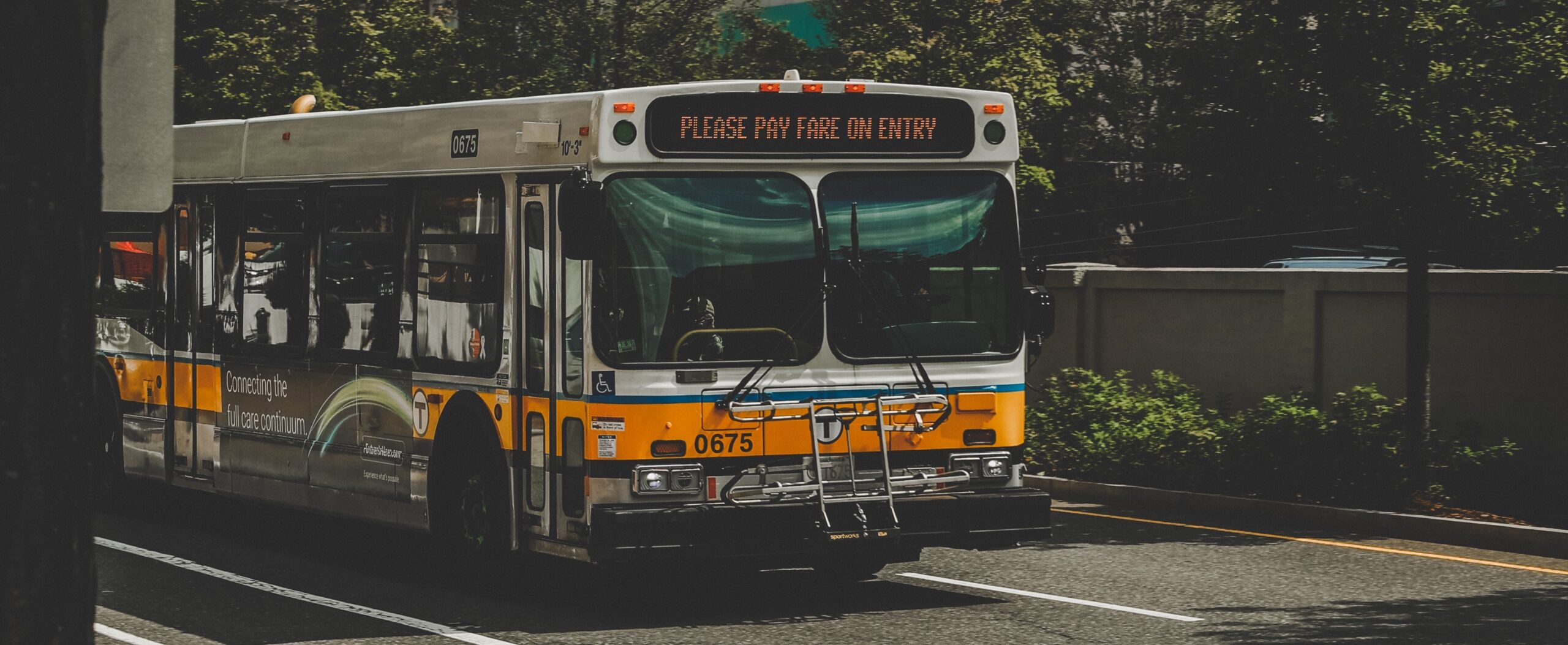
Introduction to the MBTA
The Massachusetts Bay Transportation Authority (MBTA) is an essential part of daily life for millions of residents and commuters in and around Boston. Providing services that include buses, subways, and commuter rail, the MBTA plays a critical role in reducing traffic congestion and promoting sustainable transportation. As urban centers grow, updates to the transit infrastructure are not only warranted but necessary to accommodate increased ridership.
Recent Developments
In recent months, the MBTA has announced several significant updates aimed at improving service reliability and safety. A new initiative launched this month focuses on expanding service times and reducing wait times for riders. According to the MBTA, ridership is expected to rebound as more people return to in-person work and education, which necessitates these enhancements.
Furthermore, the authority has committed to upgrades in its aging infrastructure, including the replacement of older subway cars and signal systems. In October 2023, MBTA unveiled a multi-year plan that allocates over $1 billion for modernization efforts. This plan includes the installation of new energy-efficient trains that will not only improve service but also contribute to the reduction of greenhouse gas emissions.
Safety Measures and Public Input
Safety is also a primary concern for the MBTA. In light of recent accidents and incidents, the authority has implemented new safety protocols and is actively seeking feedback from the community. Town hall meetings are being held regularly to gather insights from riders. Moreover, increased visibility of staff on buses and trains has been observed, aimed at enhancing passenger safety and providing assistance when needed.
Conclusion: The Future of the MBTA
The ongoing improvements within the MBTA are a response to both historical challenges and current demands from the public. The significant investment in modernization aims not only to improve the quality of service but also to ensure the safety and comfort of its users. With these changes, the MBTA is well-positioned to adapt to the shifting dynamics of urban transportation. As Boston’s population continues to grow, the success of the MBTA will be crucial in maintaining an efficient transit system that meets the needs of its users for years to come.