
Introduction
The Nipah virus outbreak has emerged as a significant public health concern, particularly in South Asia. Since its discovery in 1998, the virus has posed serious risks to human health, with a high mortality rate and potential for rapid transmission. The relevance of the current outbreak is underscored by rising cases and the need for public awareness and prevention strategies.
Current Situation
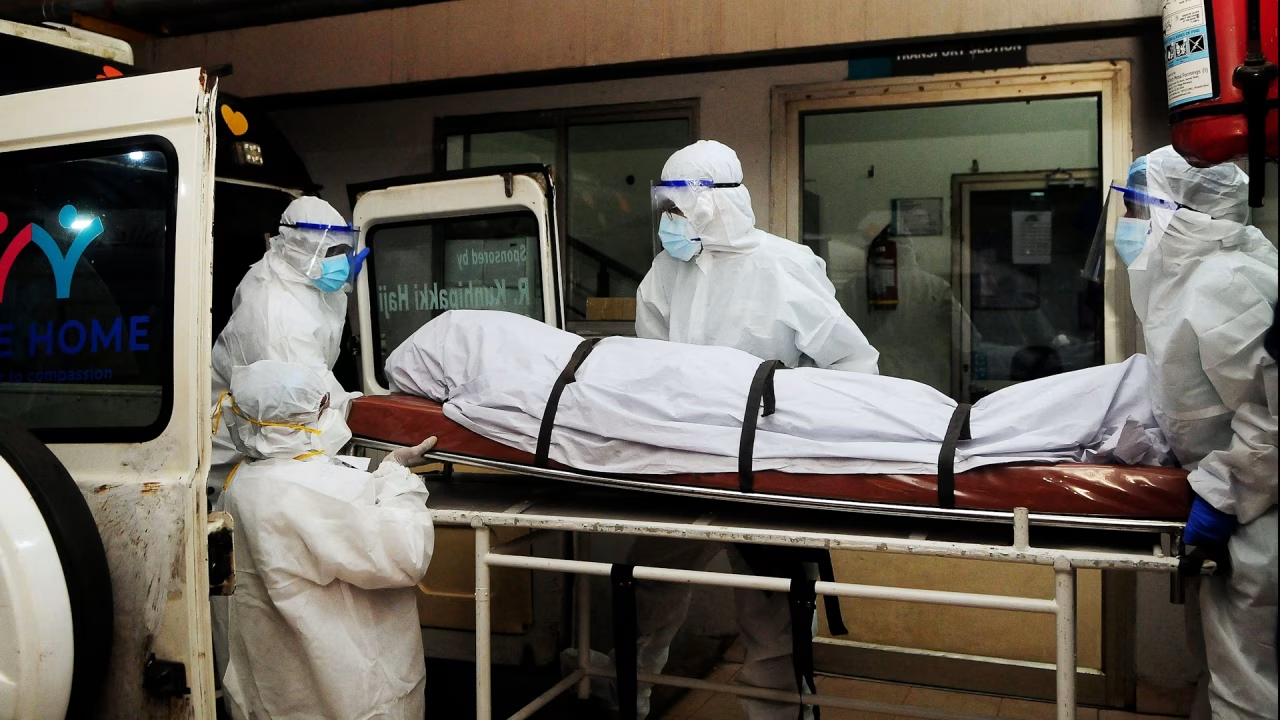
As of October 2023, reports indicate a resurgence of Nipah virus cases in Kerala, India, where several individuals have tested positive for the virus. The state health authorities are closely monitoring the situation, and contact tracing is underway to contain further spread. In total, around 20 confirmed cases have been reported this month, leading to heightened alertness among health officials and the general population.
Transmission and Symptoms
Nipah virus is transmitted to humans from infected fruit bats or pigs and can spread from person to person as well. Symptoms typically develop 5 to 14 days after exposure and may include fever, headache, nausea, vomiting, and neurological symptoms such as confusion and seizures. Given its incubation period, the ability for the virus to transmit between individuals raises considerable concern about containment.
Preventive Measures
Health authorities recommend various measures to prevent infection, including avoiding contact with sick animals, practicing good hygiene, and isolating infected individuals. Public health campaigns are being initiated to educate communities about reducing risks, particularly in high-threat regions. Vaccination efforts are also being explored as a potential long-term solution to combat future outbreaks.
Conclusion
The ongoing Nipah virus outbreak highlights the need for vigilance from health organizations and communities alike. The rapid spread of the virus in Kerala serves as a reminder of the importance of maintaining strict public health protocols. As research continues to develop vaccines and effective treatments, immediate attention to prevention and public awareness will be critical in controlling the outbreak. Future forecasts suggest that without careful monitoring and proactive measures, the risk of similar outbreaks could remain a grave threat to public health.