
Introduction
Measles is a highly contagious viral infection that can pose serious health risks, especially in unvaccinated populations. The recent surge in measles cases globally has revived the need for public awareness regarding its early symptoms. Understanding these symptoms is crucial for timely diagnosis, effective treatment, and prevention of outbreaks.
Symptoms of Measles
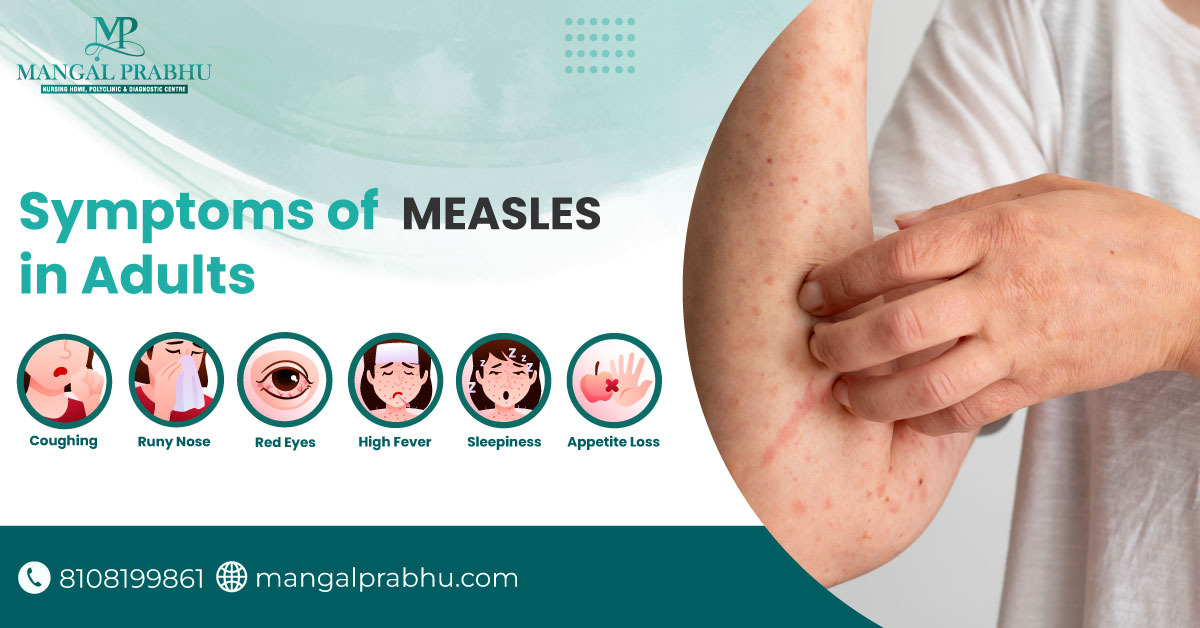
The signs of measles typically appear 10 to 14 days after exposure to the virus. Early symptoms often resemble those of a common cold, which may lead to confusion:
- High Fever: A high fever, often reaching up to 104°F (40°C), usually starts around the second day of illness.
- Cough: A dry cough is common and can be persistent.
- Runny Nose: Nasal congestion or a runny nose is another early symptom.
- Red Eyes (Conjunctivitis): Red and inflamed eyes can develop alongside other symptoms.
- Sore Throat: A sore throat may occur as part of the early symptoms.
After a few days, more distinctive symptoms appear, prompting further concern:
- Koplik Spots: These are small white spots that appear inside the cheeks, typically two to three days before the rash appears.
- Measles Rash: A red or reddish-brown rash usually develops around 3 to 5 days after the fever starts, often beginning on the face and then spreading to the rest of the body.
Complications and Impact
Measles can lead to serious complications, especially in young children and individuals with weakened immune systems. These complications include pneumonia, encephalitis, and serious dehydration. According to the World Health Organization (WHO), measles deaths have surged in recent years, making awareness and response to symptoms critical for public health.
Conclusion
Recognizing the symptoms of measles is vital for safeguarding not just individual health but also public health. Awareness can lead to earlier diagnosis, treatment, and prevention of further contagion. Vaccination remains the most effective method of preventing measles and its complications. The resurgence of measles worldwide serves as a wake-up call to maintain high vaccination rates and ensure community immunity against the virus.