
Introduction
As flu season approaches, understanding flu symptoms becomes crucial for timely diagnosis and treatment. Influenza, commonly known as the flu, can significantly affect health, leading to serious complications, especially in vulnerable populations such as the elderly and those with pre-existing conditions. With the ongoing COVID-19 pandemic, differentiating between flu symptoms and those of other illnesses has become even more important for public health.
Common Flu Symptoms
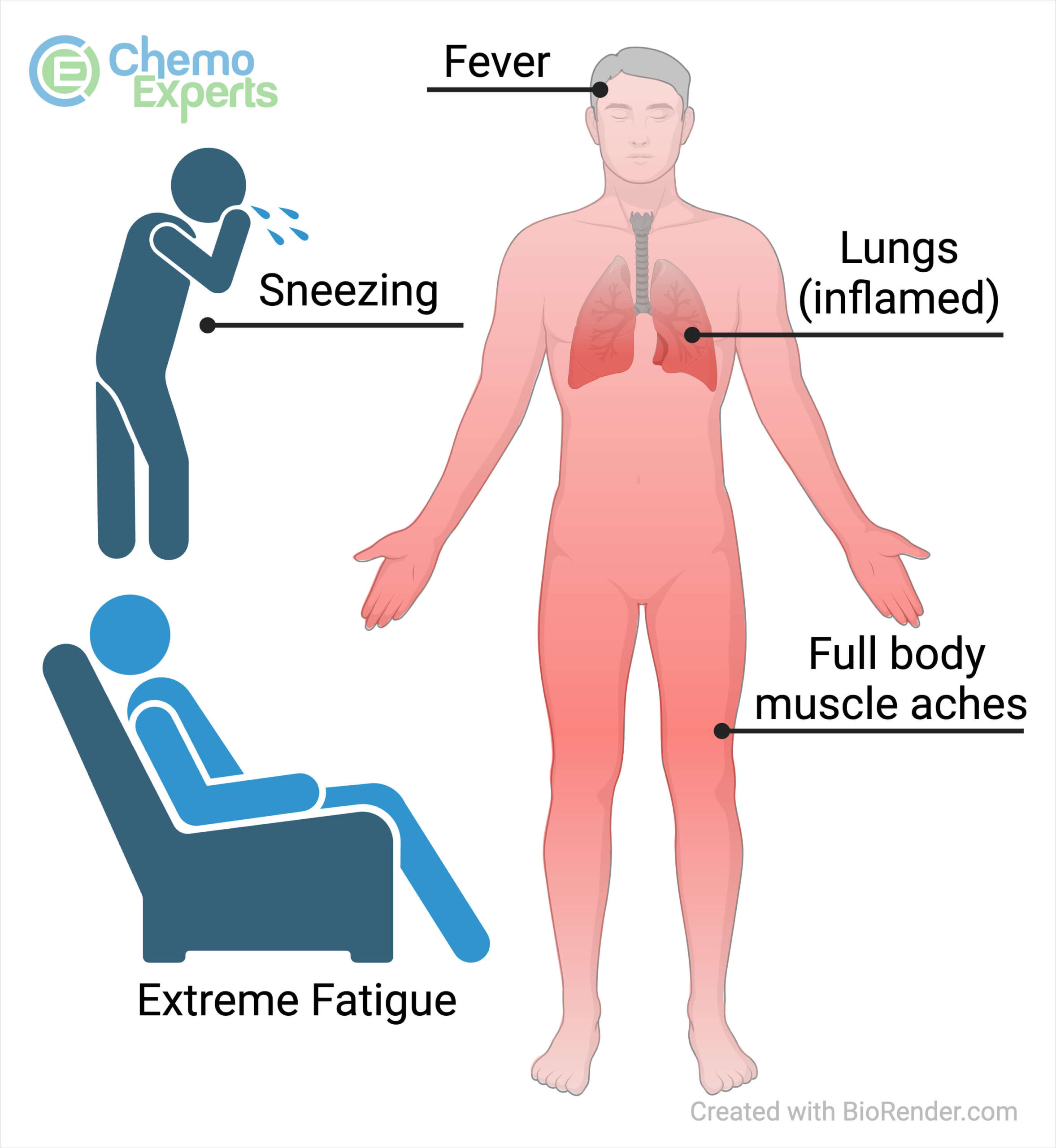
Flu symptoms typically manifest one to four days after exposure to the virus. Common symptoms include:
- Fever: Often high, it might be accompanied by chills.
- Cough: Usually dry and persistent.
- Sore throat: Common early indicator of the flu.
- Muscle or body aches: Generalized discomfort is typical.
- Fatigue: A profound sense of tiredness can disrupt daily activities.
- Headaches: Often severe, contributing to the feeling of illness.
- Runny or stuffy nose: Although less common than other symptoms, it can still occur.
While most people recover within a few days to less than two weeks, some may develop serious complications.
Severe Symptoms and Complications
It’s important to recognize when flu symptoms escalate. Severe symptoms may include:
- Difficulty breathing or shortness of breath
- Chest pain
- Severe dizziness or confusion
- Persistent vomiting
These symptoms require immediate medical attention and can indicate complications such as pneumonia or exacerbation of chronic respiratory diseases.
When to Seek Medical Care
Individuals should seek medical advice if they experience severe symptoms or if flu symptoms persist despite home care. High-risk groups, including young children, older adults, pregnant women, and those with chronic health conditions, should be particularly vigilant.
Conclusion
In conclusion, understanding flu symptoms is vital for effective treatment and prevention of complications. With active flu seasons and the shadow of COVID-19, recognizing and acting on symptoms can save lives. Annual vaccination remains the best defense against the flu, alongside good hygiene practices. By staying informed and proactive, individuals can protect their health and the wellbeing of their communities during flu season.