
Introduction
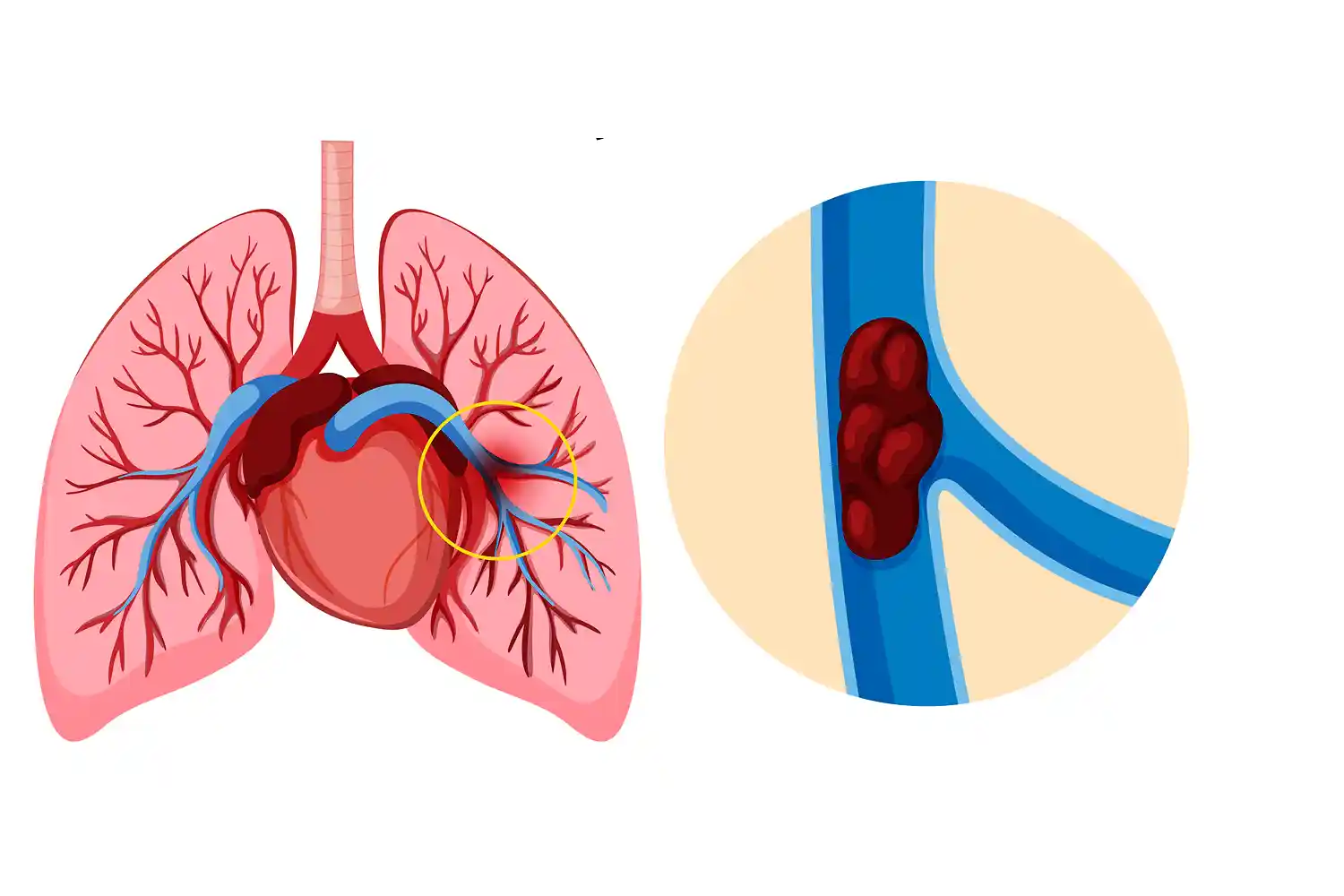
Pulmonary embolism (PE) is a serious medical condition that occurs when a blood clot becomes lodged in an artery in the lungs, blocking blood flow. It is critical to understand this condition, as it can lead to severe complications, including death, if not treated promptly. The awareness of PE has become increasingly important in recent years, particularly following its recognition as a significant risk factor in various health conditions, including COVID-19. Early diagnosis and intervention are crucial in improving patient outcomes and reducing mortality rates.
Causes and Risk Factors
Pulmonary embolism usually arises from deep vein thrombosis (DVT), where blood clots form in the deep veins of the legs or other parts of the body and travel to the lungs. Several factors can increase the risk of developing DVT and consequently PE, including:
- Prolonged immobility, such as long flights or bed rest.
- Recent surgery, particularly orthopedic surgery.
- Obesity and advanced age.
- Smoking and certain medications, including hormone replacement therapy.
- Conditions increasing blood clotting, like cancer or genetic disorders.
Symptoms of Pulmonary Embolism
Recognizing the symptoms of pulmonary embolism is vital for timely treatment. Common symptoms include:
- Shortness of breath, which may occur suddenly or gradually.
- Chest pain, often sharp or stabbing, particularly during deep breaths.
- Cough, which may produce blood-streaked sputum.
- Rapid heart rate and lightheadedness.
If you or someone else exhibits these symptoms, it is crucial to seek immediate medical attention, as PE can be life-threatening.
Diagnosis and Treatment
Healthcare providers utilize a variety of methods to diagnose pulmonary embolism, including imaging tests like CT pulmonary angiography, which can visualize blood clots in the lungs. Treatment options depend on the severity of the condition. Anticoagulants, or blood thinners, are commonly prescribed to prevent further clotting. In severe cases, thrombolytics may be used to dissolve existing clots, or surgical intervention may be necessary to remove the clot.
Conclusion
Pulmonary embolism remains a critical medical condition that warrants awareness and education. Understanding the causes, symptoms, and treatment methods can save lives, especially for individuals at risk. As healthcare continues to evolve, focus on prevention and rapid response to symptoms will be essential in reducing the burden of pulmonary embolism.