
Introduction
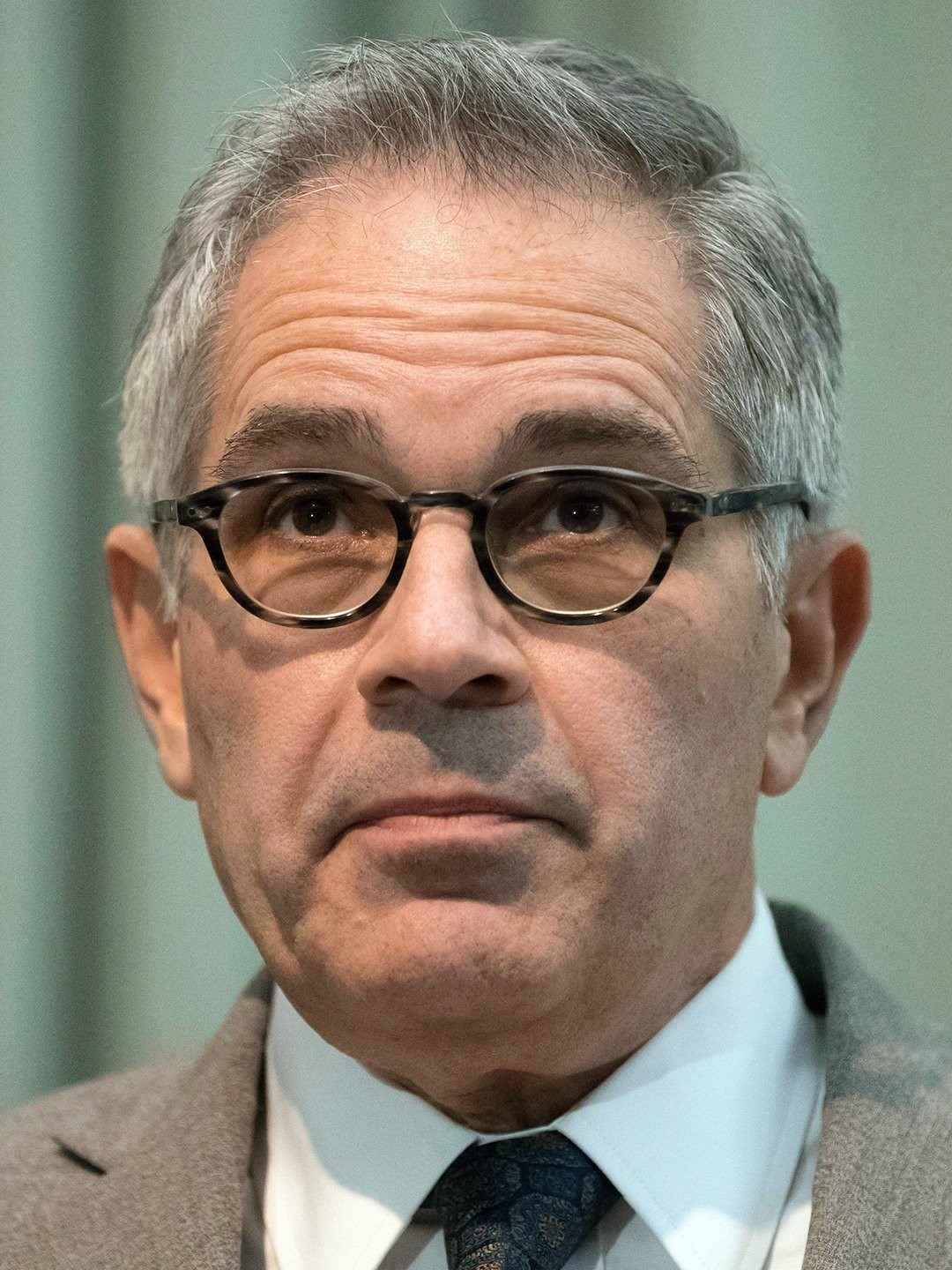
Larry Krasner, the District Attorney of Philadelphia, has emerged as a prominent figure in the movement for criminal justice reform. Elected in 2017, Krasner has focused on addressing systemic issues in the justice system, advocating for policies that prioritize rehabilitation over punishment. His policies and actions resonate deeply in a city grappling with issues of crime, inequality, and social justice, making his role not just significant locally but of national interest.
Krasner’s Approach to Criminal Justice
Krasner’s administration has been characterized by a marked shift towards progressive legal policies. One notable change has been the reduction in the use of cash bail, which disproportionately affects low-income individuals. By focusing on alternatives to incarceration, Krasner aims to reduce the prison population, which has surged over the years, especially among marginalized communities.
In addition to promoting bail reform, Krasner has taken a strong stance against mandatory minimum sentencing and has pushed for measures to decriminalize certain low-level offenses. His office has also embraced the introduction of restorative justice programs, allowing victims and offenders to engage in dialogue and potentially find mutually beneficial resolutions outside of traditional court proceedings.
Community Reaction and Challenges
While Krasner’s initiatives have garnered significant support from advocacy groups and many community members, they have not come without controversy. His approach has faced criticism from law enforcement officials and some community leaders who argue that a lenient stance on crime could lead to increased public safety concerns. In fact, Philadelphia has experienced a rise in violent crimes during Krasner’s tenure, which opponents have used to question his policies.
Despite these challenges, Krasner remains committed to his mission. He argues that long-term solutions to crime lie in addressing root causes such as poverty, access to education, and mental health services, rather than punitive measures alone.
Conclusion
As Krasner continues to face both support and opposition, his work serves as a crucial case study for criminal justice reform in America. Whether his policies will lead to lasting changes within Philadelphia’s justice system remains to be seen. However, his tenure marks a significant moment in the push for a more equitable legal landscape, not just in Pennsylvania, but across the United States. Observers will be watching closely to see how Krasner’s policies evolve in response to ongoing challenges and public opinion in the years ahead.