
Introduction
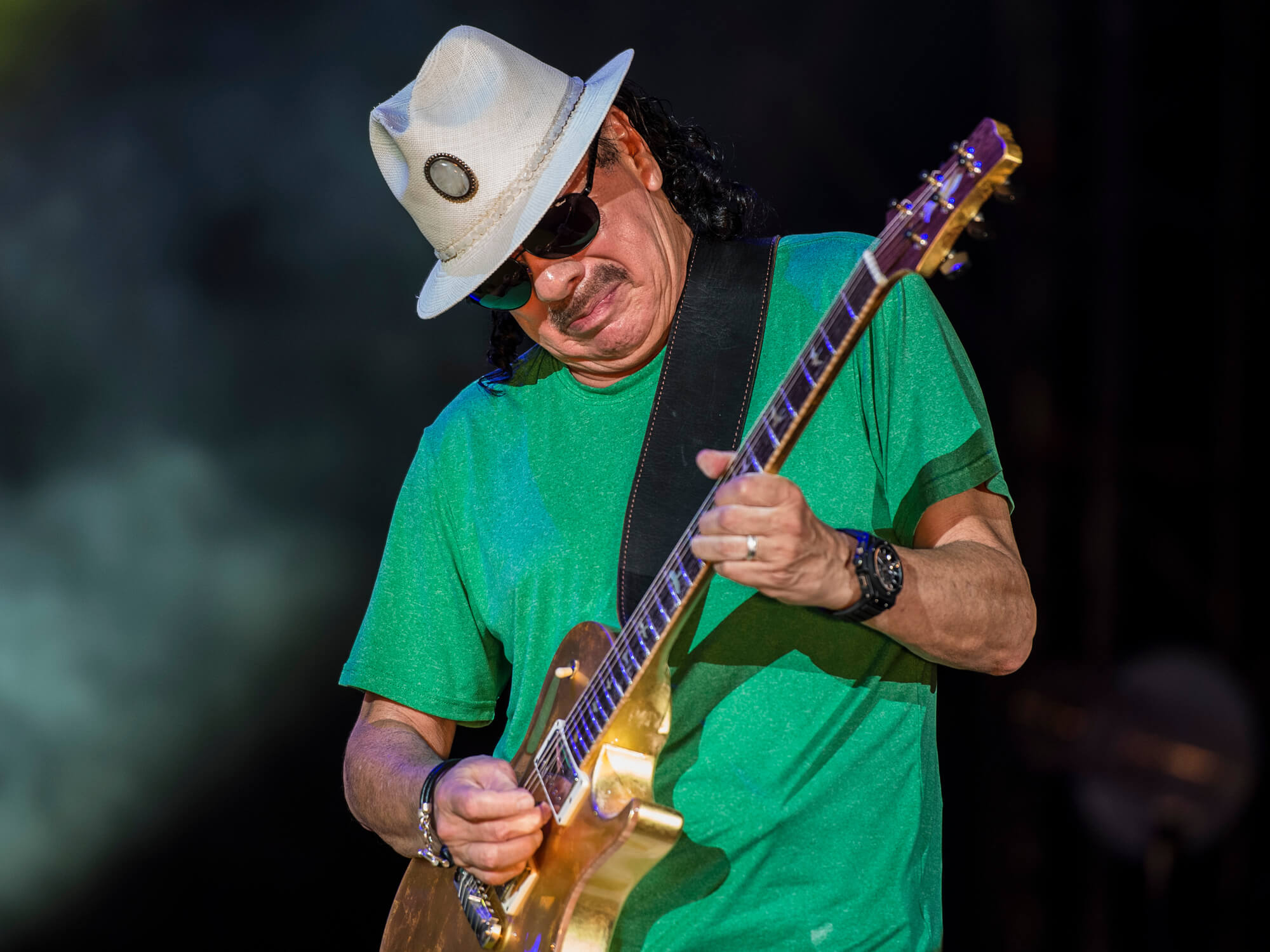
Carlos Santana, a celebrated guitarist, composer, and bandleader, has had a profound impact on the music industry since the late 1960s. His distinctive fusion of rock, blues, and Latin music has won him numerous awards and a dedicated global following. Santana’s relevance today continues to shine through his innovative performances and contributions to social causes.
Career Highlights
Born on July 20, 1947, in Autlán de Navarro, Mexico, Santana moved to San Francisco in his youth, where he would later form the Santana Blues Band in 1966. Their performance at the Woodstock Festival in 1969 catapulted them to fame, particularly with hits like “Soul Sacrifice.” Santana’s early albums, such as Abraxas and Santana III, showcased his unique sound and artistry, featuring tracks that blended rock riffs with Latin rhythms.
Recent Developments
In October 2023, Santana made headlines when he embarked on a new North American tour, celebrating over five decades in music. The tour features classic hits alongside new material from his recently released album, Blessings and Miracles. This album, celebrated for its collaborations with contemporary artists, has received positive reviews and highlights Santana’s ability to adapt to the evolving music landscape.
Impact and Legacy
Santana’s influence extends beyond music; he is known for his philanthropic efforts, including the Milagro Foundation, which supports underserved children and families worldwide. Santana’s contributions to music and society continue to inspire many, making him not just a musical icon but also a beacon of hope and change.
Conclusion
Carlos Santana remains a vital figure in the music industry, captivating audiences with his virtuosity and passion. As he continues to tour and release new music, fans eagerly anticipate what the future holds for this legendary guitarist. His journey is a testament to the power of music as a universal language and a medium for positive change.