
Introduction
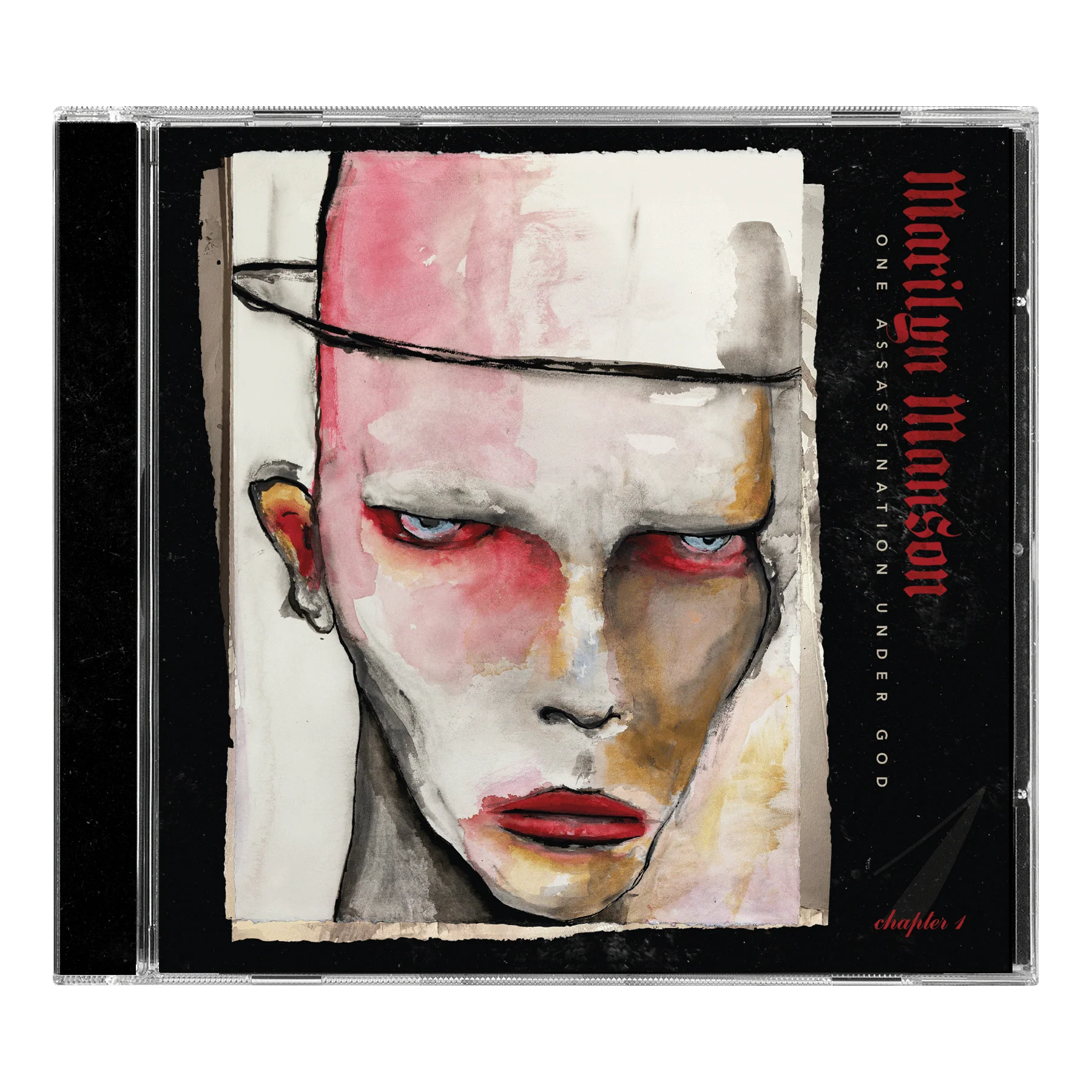
Marilyn Manson, born Brian Hugh Warner on January 5, 1969, is one of the most polarizing figures in the music industry. Known for his provocative performances and controversial lyrical content, Manson has consistently sparked discussions around art, censorship, and celebrity culture. His influence stretches beyond music into visual arts, fashion, and even literature, reflecting the complexities of modern celebrity and societal norms.
Recent Events
In recent years, Manson’s life has been clouded by serious allegations and legal issues. In February 2021, actress Evan Rachel Wood publicly accused him of abuse during their relationship, sparking a wave of similar allegations from other women. These accusations led to significant public backlash and a series of legal battles. As a result of the allegations, Manson faced professional repercussions, including being dropped by his record label and removed from several projects.
In response to the allegations, Manson has denied the claims, describing them as “horrible distortions of reality.” He filed countersuits against Wood and other accusers for defamation, suggesting that their statements were motivated by a desire for attention. This legal confrontation has kept Manson in the news, highlighting the ongoing conversations about consent, accountability, and the complexities of intimate relationships.
Impact on Music and Culture
Despite the controversies surrounding him, Manson’s impact on the music industry cannot be overlooked. He has drawn millions of fans with his unique blend of heavy metal and industrial rock, characterized by dark themes and theatrical performances. Albums like “Antichrist Superstar” and “Mechanical Animals” have solidified his place in music history, both for their artistic content and the public discourse they generated.
Moreover, Manson’s persona challenges traditional notions of masculinity and celebrity. Often using shock value as a tool, he raises questions about identity and self-expression. His stage presence and interviews reflect a complex character that some view as a misunderstood genius, while others see a toxic figure in need of accountability.
Conclusion
The ongoing developments in Marilyn Manson’s life serve as a reminder of the consequences that can arise from fame and the intricacies of personal relationships. As the music industry navigates the fallout from allegations of misconduct, Manson’s future remains uncertain. The discussions surrounding his actions and their repercussions highlight an evolving cultural landscape that increasingly prioritizes accountability and the perspective of victims. For fans and critics alike, the saga of Marilyn Manson continues to unfold, provoking thought and dialogue about art, morality, and the responsibilities that come with fame.