
Introduction
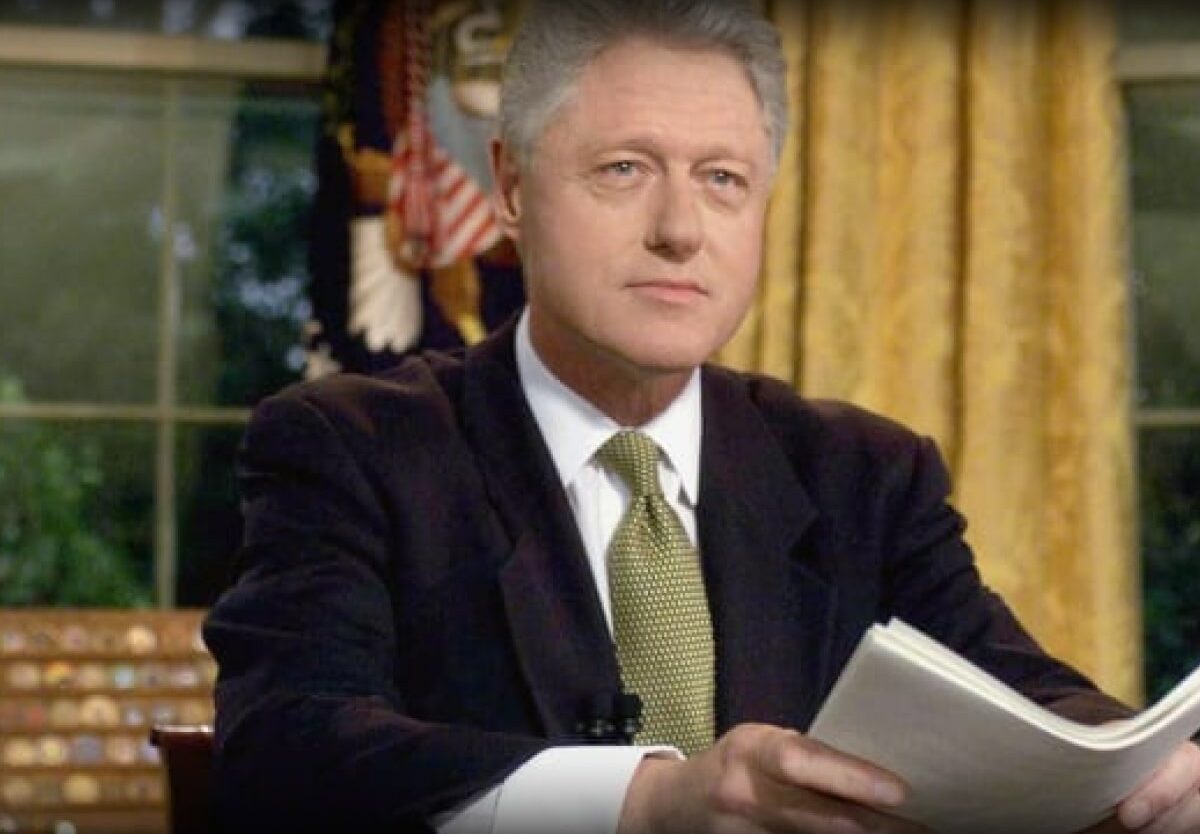
Bill Clinton, the 42nd President of the United States, served from 1993 to 2001 and remains a pivotal figure in contemporary American politics. His presidency was marked by considerable economic growth and significant social changes, shaping policies that continue to resonate. Understanding his legacy is critical as America navigates its current political landscape.
The Economic Prosperity of the 1990s
One of the most notable aspects of Clinton’s presidency was the economic boom during the 1990s. Under his administration, the United States saw an unprecedented period of prosperity characterized by a balanced federal budget and the longest peacetime economic expansion in American history. Unemployment fell to record lows, and millions of jobs were created. His implementation of the North American Free Trade Agreement (NAFTA) in 1994 was controversial but aimed at increasing trade and economic cooperation between the U.S., Canada, and Mexico. While some praised NAFTA for enhancing economic ties, critics argued it led to job losses in certain sectors.
Social Policies and Controversies
Clinton’s presidency was also marked by significant social reforms. The Welfare Reform Act of 1996 aimed to reduce dependency on government assistance and incentivize work, yet it also faced backlash for its impacts on low-income families. Moreover, his administration sought to improve healthcare access and education, notably through initiatives like the Children’s Health Insurance Program (CHIP). However, these efforts collided with the rising tensions in political dividedness, especially concerning issues like gun control and racial equality.
Impeachment and Scandals
No discussion of Bill Clinton’s presidency would be complete without mentioning the scandals that led to his impeachment in 1998. The Monica Lewinsky affair led to accusations of perjury and obstruction of justice, culminating in a House vote to impeach him. Ultimately, Clinton was acquitted by the Senate and completed his second term. This episode significantly impacted public perception and highlighted the tumultuous relationship between media, scandal, and politics.
Conclusion
In retrospect, Bill Clinton’s presidency is a topic of discussion that evokes both admiration and criticism. His economic policies fostered growth, while his social policies initiated meaningful change. However, the controversies that arose under his leadership serve as a reminder of the complexities of governance. As America continues to grapple with challenges, reflections on Clinton’s approaches may offer insights for current and future leaders. Analyzing his presidency remains vital for understanding the current political climate and the evolution of policy over the decades.