
Introduction
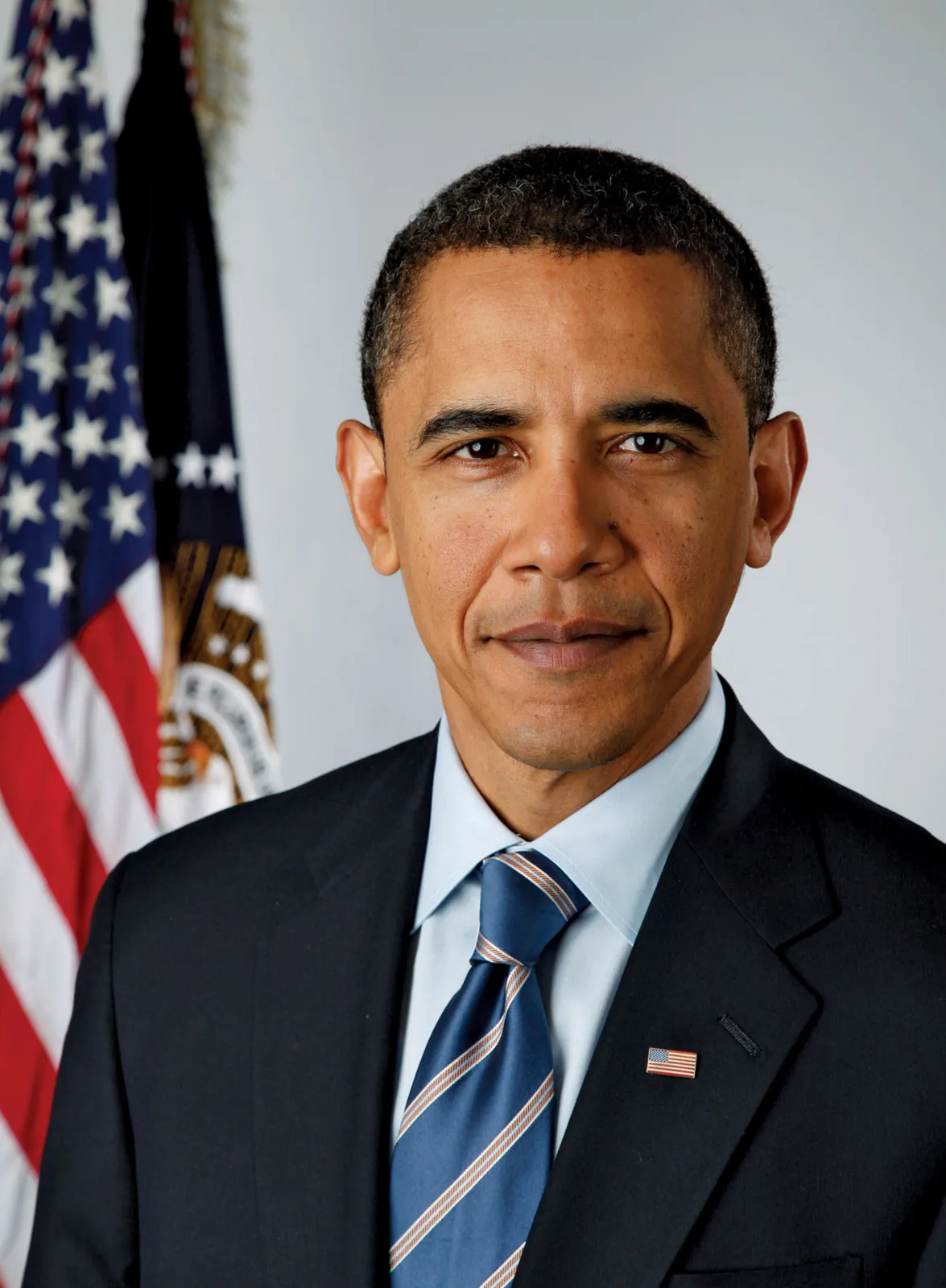
Barack Obama, the 44th President of the United States, remains a pivotal figure in American history. His presidency from 2009 to 2017 not only broke racial barriers but also redefined political discourse and progressive policies in America. As the first African American president, his election symbolized a significant shift in American society’s values and aspirations. Understanding Obama’s legacy is crucial as it provides insights into contemporary issues and the ongoing challenges and achievements in American politics.
Key Achievements During His Presidency
Barack Obama led significant legislative reforms that transformed numerous aspects of American life. One of his most notable achievements was the Affordable Care Act (ACA), also known as Obamacare, which aimed to reduce the number of uninsured Americans and improve healthcare access. The ACA has since become a topic of fierce debate, with ongoing discussions about healthcare reform and defending the gains made during his administration.
Moreover, Obama’s administration was marked by economic recovery following the 2008 financial crisis. Implementing the American Recovery and Reinvestment Act helped stimulate economic growth, leading to consistent job creation and the drop in unemployment rates to below 4% before the end of his term.
Social Justice and International Relations
Obama placed a strong emphasis on social justice issues, notably advocating for LGBTQ+ rights, which culminated in the landmark Supreme Court decision legalizing same-sex marriage nationwide in 2015. His stance on immigration reform, climate change, and relations with Cuba marked his administration as one in pursuit of progressive ideals.
On the global stage, Obama sought to reshape U.S. foreign policy from a focus on military intervention to diplomatic engagement. The Iran Nuclear Deal and the Paris Agreement on climate change showcased his commitment to multilateral cooperation. However, these policies also faced criticism at home and abroad, reflecting the nuanced and often contentious nature of international diplomacy.
Conclusion
Barack Obama’s presidency continues to resonate in American politics today, influencing current debates ranging from healthcare reform to racial justice. As he remains active in public life through initiatives like the Obama Foundation, his vision for a more inclusive and equitable society shapes the current political landscape. Looking ahead, Obama’s legacy serves as both an inspiration and a reminder of the complexities inherent in leadership and governance. Understanding his impact enriches the dialogue about America’s future and the persistence of hopes for change and equity.