
Introduction
Tulsi Gabbard, the former U.S. Representative from Hawaii, has become a prominent figure in American politics, known for her progressive views and unique perspectives on foreign policy. Her transition from Congress to becoming a vocal critic of the Democratic establishment has captured the attention of both supporters and opponents alike. As the 2024 presidential election approaches, Gabbard’s role in shaping political discourse is becoming increasingly relevant.
Background and Political Career
Gabbard served in the U.S. House of Representatives from 2013 until 2021, making history as one of the first female combat veterans elected to Congress. She gained national recognition during her 2020 presidential run, where she presented a platform centered on anti-interventionism, healthcare reforms, and climate change. Although she suspended her campaign and endorsed Joe Biden, her candidacy sparked conversations about foreign policy, particularly in relation to her opposition to endless wars.
Exit from the Democratic Party
In October 2022, Gabbard announced her departure from the Democratic Party, stating that the party had become an “elitist cabal” and had lost touch with its core values. Her exit signifies a growing discontent among moderate Democrats and independents, as well as a potential shift in political alliances leading up to the next presidential election.
Current Ventures and Influence
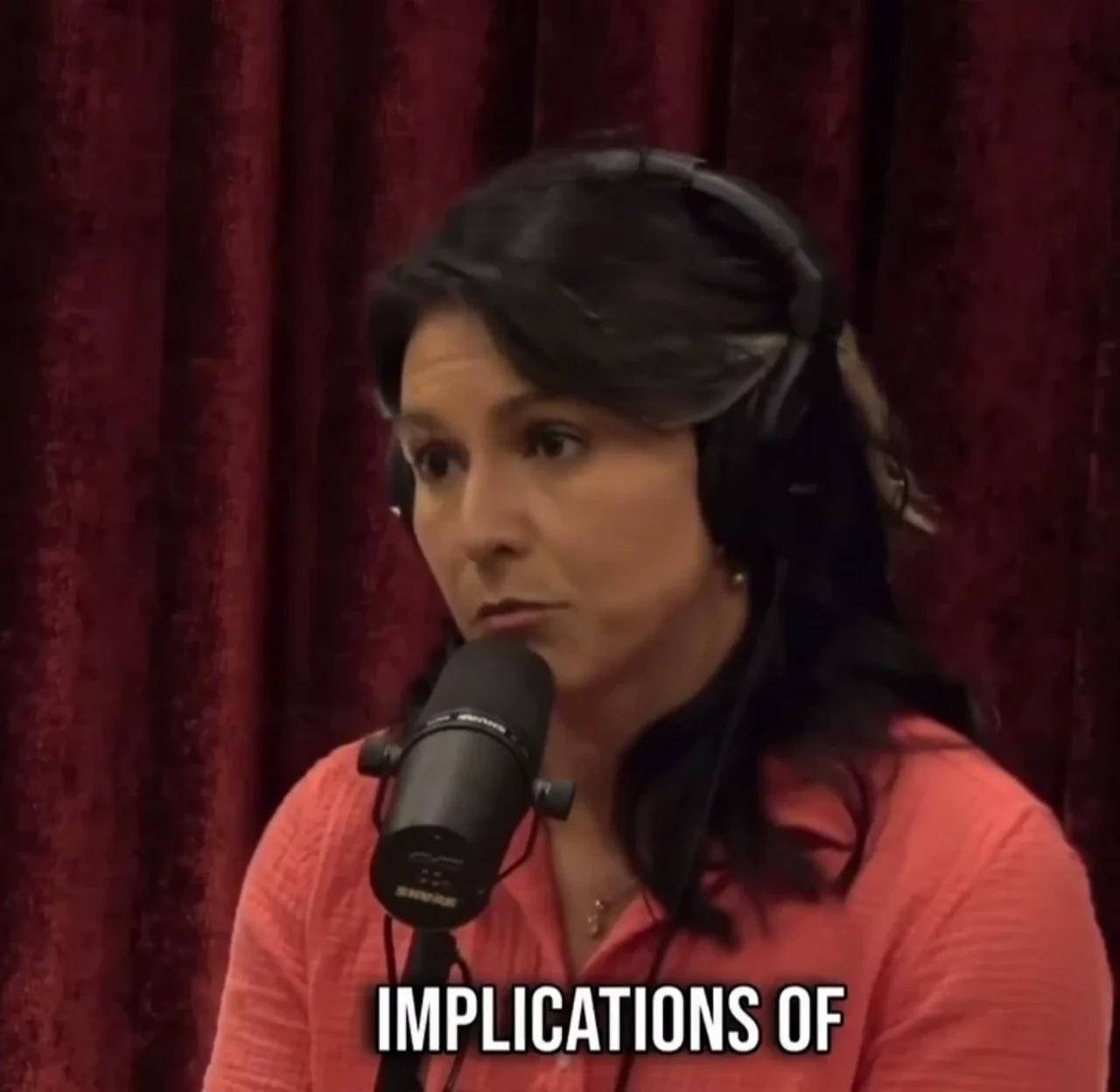
Since leaving Congress, Gabbard has been active as a political commentator, hosting a podcast and appearing on various media platforms where she discusses her viewpoints on national issues. She remains an advocate for veterans’ rights, mental health awareness, and transparency in government. Her positions often resonate with a wide range of constituents, making her a figure to watch in the context of a rapidly changing political environment.
Looking Ahead
As the 2024 presidential elections loom closer, Tulsi Gabbard’s influence may continue to grow. Analysts argue that her ability to connect with voters seeking alternatives to the traditional two-party system could make her a key player in shaping the political landscape. Moreover, her continued emphasis on peace, unity, and a return to values resonates with many frustrated by divisive rhetoric.
Conclusion
Tulsi Gabbard’s political journey illustrates the complexities of modern American politics. As she navigates her post-Congress career, her impact as a voice of dissent within the Democratic Party and her potential as an independent candidate may influence voter engagement and party dynamics in the lead-up to the 2024 elections. Consequently, Gabbard’s actions and statements will likely remain a focal point for both supporters and critics as they assess the future of political discourse in the U.S.