
Introduction
Les Wexner, an influential figure in the retail sector, is best known as the founder of L Brands, which included popular brands like Victoria’s Secret and Bath & Body Works. His business acumen and extraordinary influence on the fashion industry marked a significant phase in retail, especially during the late 20th century. This article delves into Wexner’s achievements, his impact on the economy, and his recent endeavors, highlighting his multifaceted legacy and relevance in today’s business landscape.
Early Life and Career
Born on September 8, 1937, in Dayton, Ohio, Wexner graduated from The Ohio State University. He entered the retail industry when he opened his first store, The Limited, in 1963. His unique approach focused on combining fashion with affordability, which quickly gained traction among consumers. This success laid the groundwork for L Brands and its subsequent expansions.
Impact on the Retail Industry
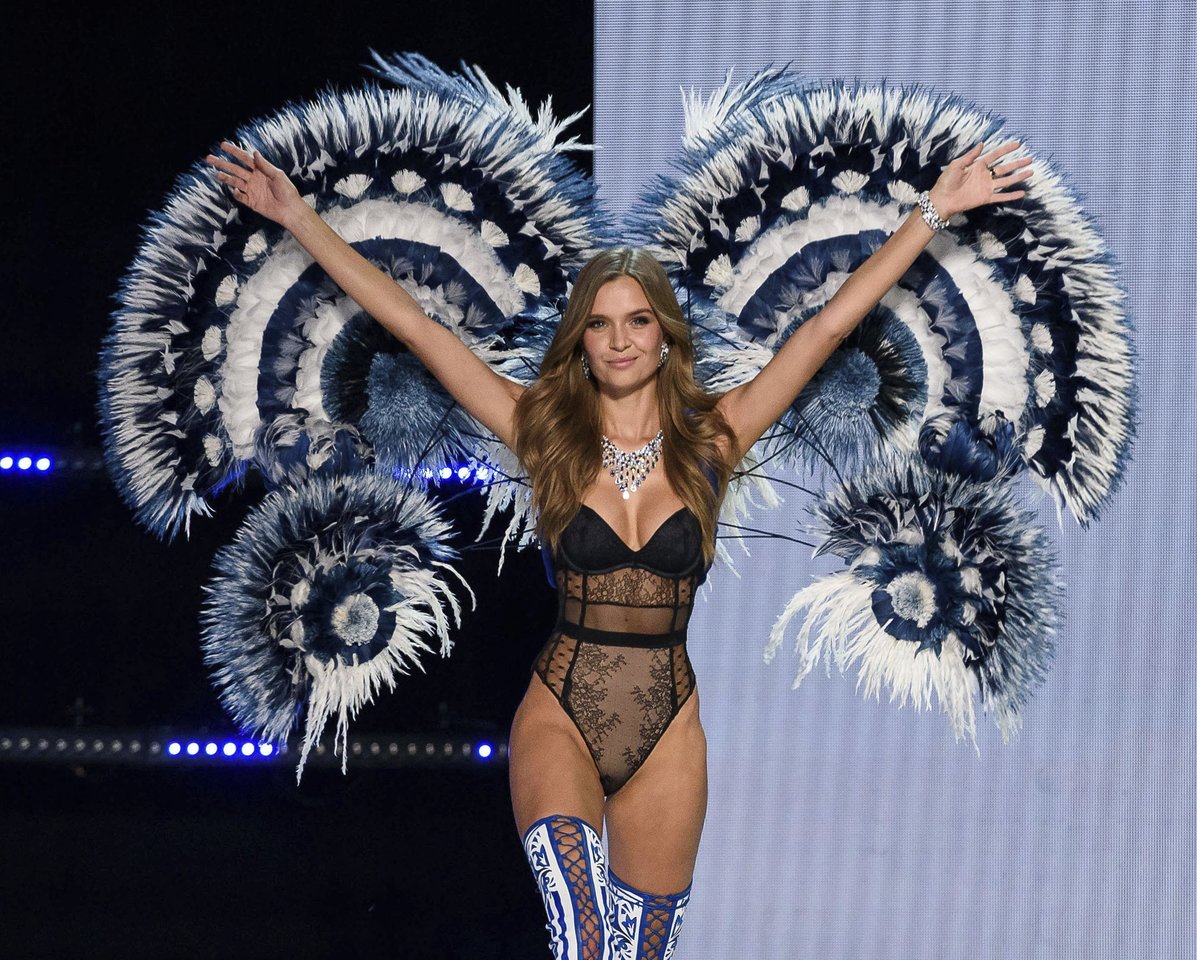
Under Wexner’s leadership, L Brands grew exponentially, reaching a valuation of billions. His strategic vision resulted in the development of iconic brands that shaped consumer habits and preferences. Victoria’s Secret, in particular, became a cultural phenomenon, reshaping the lingerie market and influencing fashion trends worldwide. Wexner’s marketing techniques, including the engagement of top models and the use of high-profile fashion shows, set new standards in retail marketing.
Philanthropic Efforts
Apart from his business ventures, Wexner is also recognized for his philanthropic contributions. He has donated millions to various causes, focusing largely on education, healthcare, and the arts. The Wexner Center for the Arts at Ohio State University stands as a testament to his commitment to education and community development.
Recent Developments
In recent years, Wexner has faced scrutiny over his association with controversial figures, particularly Jeffrey Epstein. This connection led to increased media attention and discussions around corporate governance and responsibility. Wexner stepped down as CEO of L Brands in 2020, paving the way for a new leadership era. His exit raised questions about the future of L Brands and the retail market’s evolution post-pandemic.
Conclusion
Les Wexner’s legacy in the retail world is irrefutable, characterized by innovative strategies and a commitment to philanthropy. As the retail landscape continues to shift in the wake of new consumer trends and challenges, Wexner’s influence and the lessons learned from his career will remain significant for upcoming entrepreneurs. Looking ahead, the ongoing changes within L Brands and the broader retail environment will be interesting to observe, particularly in how these shifts align with Wexner’s historical impact on the industry.