
Introduction
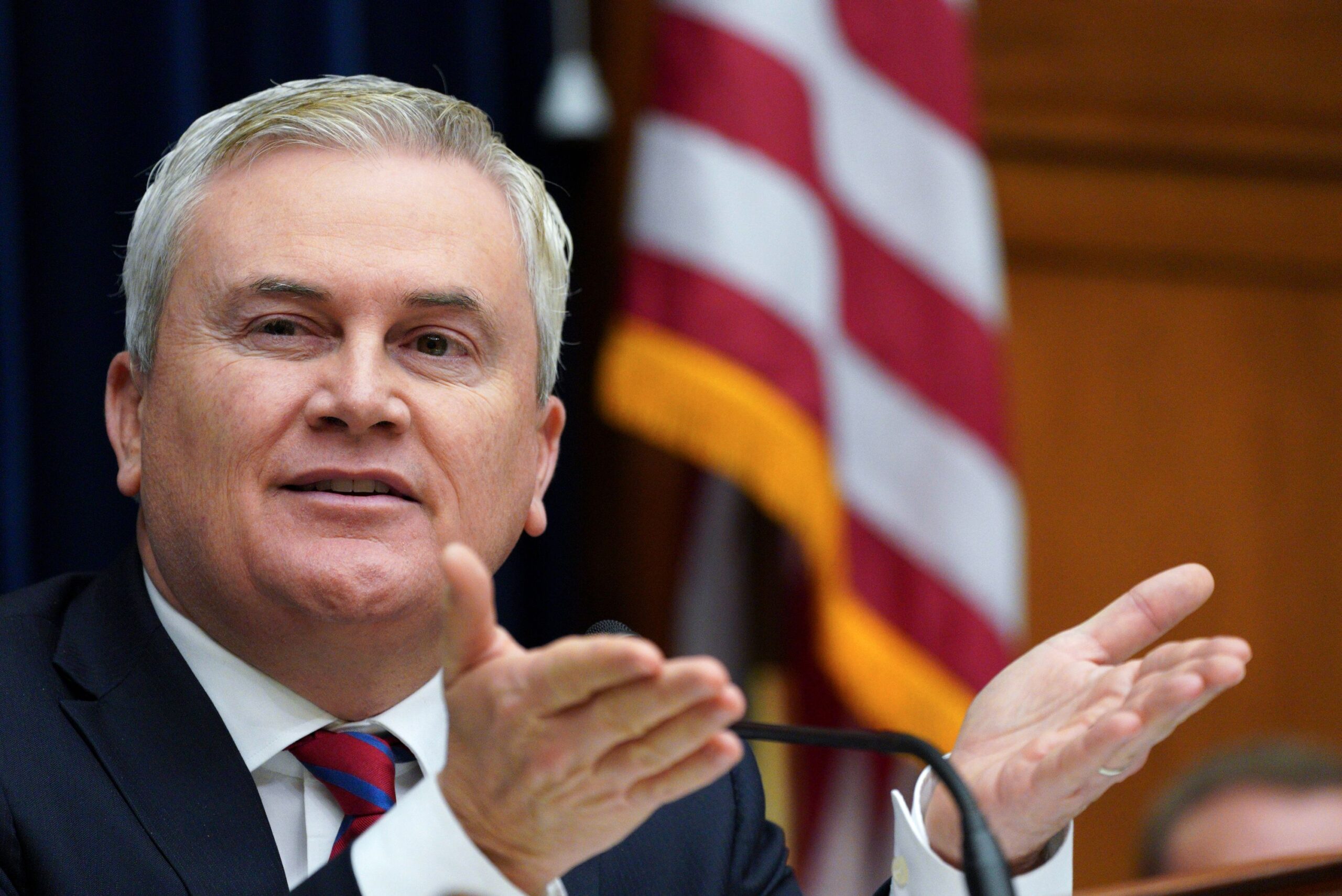
James Comer, a prominent figure in contemporary U.S. politics, has become increasingly influential since stepping into the national spotlight. As a Republican congressman from Kentucky, Comer embodies a blend of traditional values and a proactive approach to governance, making his career worth examining. His recent actions and leadership roles illustrate the significant impact he is having on the fiscal policies and investigative agendas in Congress, especially amidst calls for increased accountability in government.
Recent Developments
As the chairman of the House Committee on Oversight and Accountability, Comer has been at the forefront of various high-profile investigations, including inquiries into the Biden administration’s spending and the origins of COVID-19. These investigations, designed to hold the executive branch accountable, reflect Comer’s dedication to transparency in governance. Furthermore, he has focused on issues such as border security and inflation, which resonate with many voters in his district and beyond.
One of Comer’s notable achievements has been his ability to unify his party around key issues, particularly in the context of an increasingly polarized political landscape. In a recent media interview, he emphasized the importance of bipartisan cooperation for the country’s growth while also standing firmly on Republican principles. This balancing act has garnered significant attention and support from party members.
Challenges Ahead
Despite his rising star, Comer faces considerable challenges. The internal divisions within the Republican Party, especially regarding policy priorities, may complicate his leadership role. Moreover, as investigations continue, scrutiny from both Democrats and the media is likely to increase, testing his resolve and strategy. The effectiveness of his leadership will be measured by how well he navigates these challenges and whether he can maintain a productive legislative agenda.
Conclusion
The future of James Comer in American politics seems promising, but it is also fraught with challenges. His current trajectory will depend heavily on how he leads his party through potentially turbulent waters. With a focus on accountability and effectiveness, Comer’s actions in the coming months could significantly influence not only his political career but also the overall direction of the Republican Party. For readers and constituents alike, keeping an eye on Comer’s next moves will be essential, as they may play a pivotal role in shaping U.S. policy and governance in the near future.