
Introduction
The polar vortex is a significant climate phenomenon that impacts weather patterns across the Northern Hemisphere, particularly in winter months. In recent years, fluctuations in the polar vortex have been linked to extreme weather events, making its understanding crucial for predicting temperature drops and severe storms. With climate change influencing weather systems, studying the polar vortex is crucial for both scientists and the public.
What is the Polar Vortex?
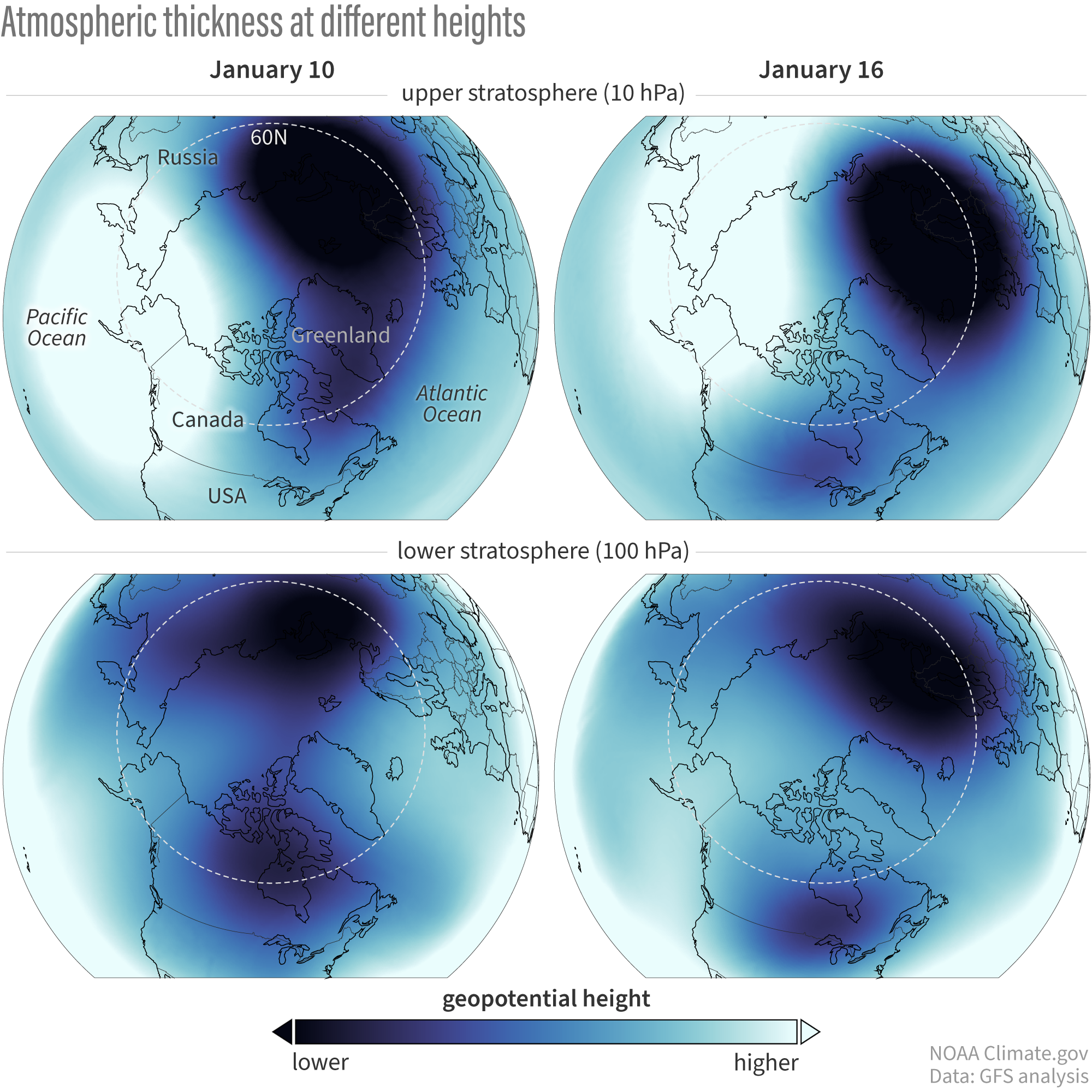
The polar vortex is a large area of low pressure and cold air surrounding the Earth’s poles. It exists in the Stratosphere, where it strengthens during the winter season and weakens in the summer. This component of our atmosphere acts like a barrier, keeping the freezing air contained in the polar regions. However, when the polar vortex weakens, it can allow cold Arctic air to flow south, resulting in significant temperature drops and unusual weather patterns across the U.S. and Canada.
Recent Events and Implications
In early 2023, a weakened polar vortex contributed to a series of cold snaps across many states in the Midwest and East Coast, resulting in record low temperatures and severe winter storms. This incident serves as a stark reminder of how shifts in the polar vortex can lead to substantial impacts on everyday life, affecting everything from heating bills to air travel schedules.
Experts at the National Oceanic and Atmospheric Administration (NOAA) have noted a trend in increased fluctuations of the polar vortex. Climate change may play a significant role as warming temperatures in the Arctic can contribute to a destabilization of the polar vortex, leading to more frequent and intense weather events. The implications of this trend may affect agricultural practices, infrastructure resilience, and public safety measures.
Conclusion
Understanding the polar vortex and its effects is essential as we continue to experience unpredictable weather patterns linked to climate change. With the polar vortex playing a crucial role in winter weather dynamics, researchers emphasize the need for enhanced modeling and forecasting techniques to better prepare communities for upcoming cold snaps and storms. As we move forward, increasing awareness about the polar vortex will empower individuals and policymakers to respond more effectively to the changing climate and its consequences on daily life.