
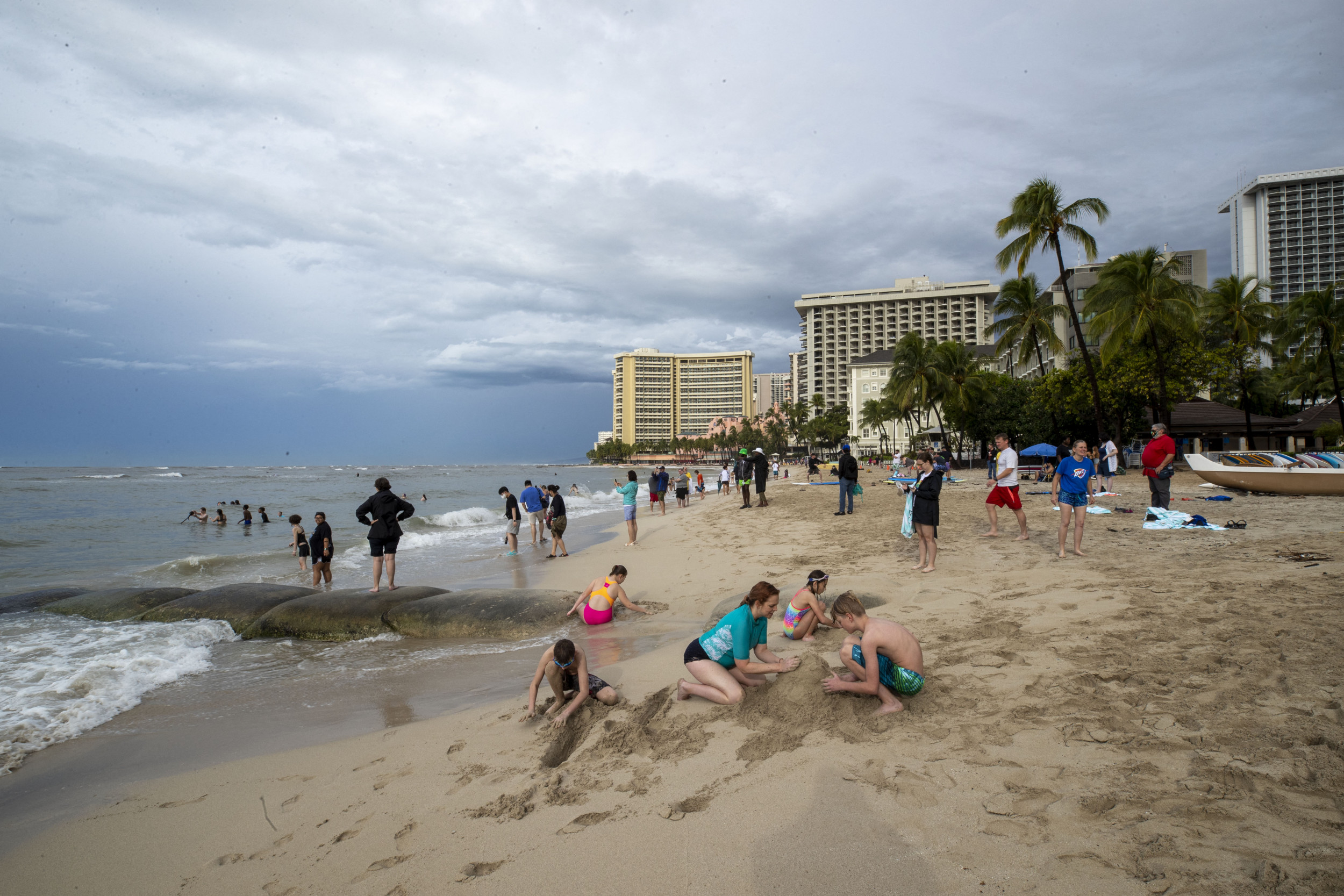
The Importance of Severe Weather Awareness in Hawaii
Severe weather in Hawaii has become an increasingly critical issue for local communities and ecosystems. The state’s unique geographical and climatic features make it vulnerable to various weather conditions, including heavy rainfall, hurricanes, and flooding. Understanding these patterns is crucial for preparation and response efforts, serving as a reminder of the power of nature in this picturesque paradise.
Recent Severe Weather Events
In recent weeks, Hawaii has experienced a series of severe weather incidents that have caused widespread concern among residents. In early October 2023, several islands, particularly Maui and Oahu, faced torrential rains and strong winds as a remnant of Hurricane Lydia passed through the region. Emergency services issued warnings about potential flooding and landslides, prompting many to evacuate their homes.
According to the National Weather Service, some areas received more than six inches of rain in just 24 hours, leading to flash flood warnings and hazardous road conditions. Furthermore, the strong winds downed power lines, leaving thousands without electricity for days. The impact on local infrastructure highlighted the vulnerabilities within the state’s emergency preparedness protocols, leading authorities to reevaluate their resources and response strategies.
Impact on Communities and Ecosystems
The severe weather conditions not only disrupt daily life but also pose significant threats to Hawaii’s delicate ecosystems. Flooding can cause soil erosion and sediment runoff, harming marine environments and coral reefs that are already affected by climate change. In addition, the state’s agriculture sector, which relies heavily on stable weather patterns, faces challenges as farmers struggle to protect their crops from unexpected weather phenomena.
The local economy also feels the repercussions. The tourism industry, crucial to Hawaii’s economy, can suffer as natural disasters deter visitors. Recent advisories and adverse conditions can lead to a decline in bookings and cancellations, further straining businesses.
Conclusion: Preparing for Future Severe Weather
As Hawaii continues to grapple with severe weather events, the need for enhanced preparedness and adaptation strategies is more paramount than ever. Local authorities are beginning to implement updated emergency response plans and invest in infrastructure capable of withstanding future weather threats.
For residents and travelers, awareness and education about severe weather patterns can significantly mitigate risks. With climate change expected to exacerbate weather extremes globally, Hawaii stands at the forefront of finding resilient solutions to safeguard its communities and natural treasures. Staying informed and ready is essential as the islands continue to face the challenges posed by severe weather.