
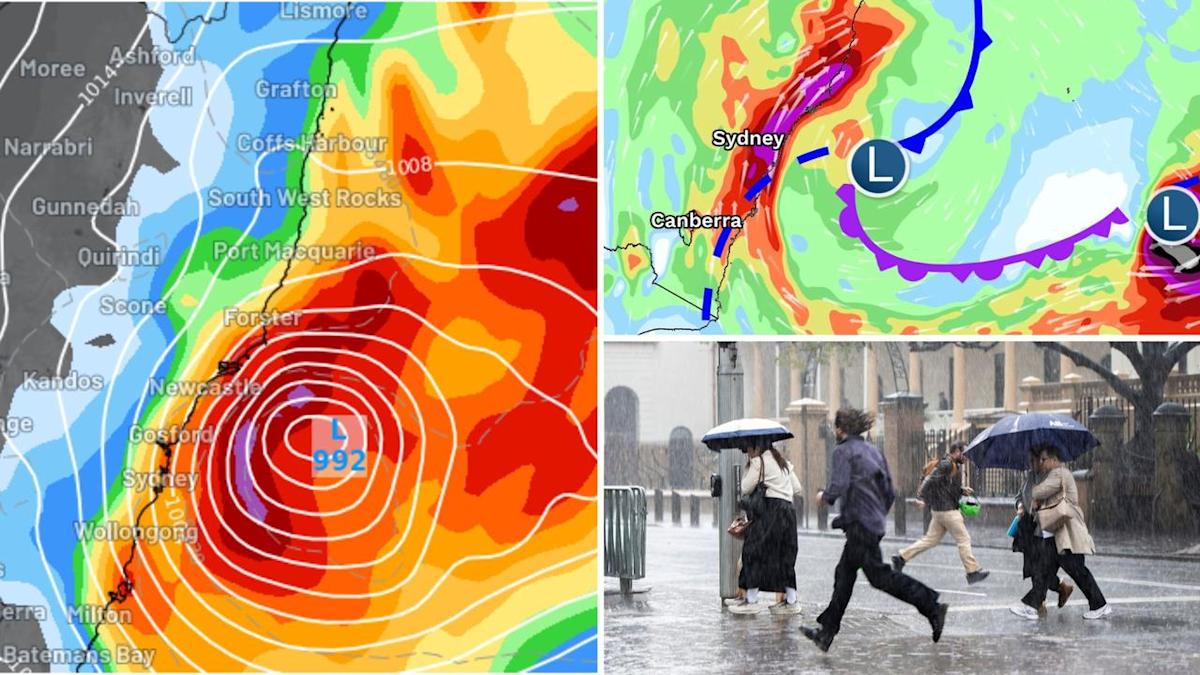
Introduction to Bomb Cyclones
In recent years, the term “bomb cyclone” has surged to the forefront of meteorological discussions, primarily due to increasingly severe weather patterns across the globe. A bomb cyclone refers to a rapidly intensifying area of low pressure that can bring extreme snowfall, high winds, and severe coastal flooding. Understanding the mechanics and implications of these storms is crucial, especially as climate change continues to influence weather events.
Details on the Recent Bomb Cyclone
Late last week, a bomb cyclone developed off the East Coast of the United States, resulting in record-breaking snowfall and fierce winds. Weather reports indicated that regions in New England experienced over two feet of snow, causing widespread disruptions in transportation and power outages for more than 300,000 residents. State emergency services were activated, and multiple states declared emergencies, allowing for the mobilization of resources to aid stranded travelers and restore power.
The storm’s strength and rapid intensification were attributed to the juxtaposition of a cold Arctic air mass and warmer air from the ocean. This dynamic created a perfect environment for the cyclone to strengthen swiftly, dropping atmospheric pressure by at least 24 millibars in a 24-hour period — a defining characteristic of a bomb cyclone.
Challenges and Precautions
The impact of this bomb cyclone has been far-reaching. Transportation networks were severely impeded, with numerous flights canceled across major airports, including Boston Logan International and New York City’s LaGuardia. Additionally, some regions reported sustained winds of up to 60 mph, which not only complicated travel but also raised concerns for local infrastructure’s ability to withstand such forces.
Officials urged residents to stay indoors, prepare their homes for potential power outages, and monitor the latest weather updates as conditions continued to develop. Local and federal agencies coordinated to provide emergency shelters and resources to those affected by the storm.
Conclusion and Future Monitoring
The bomb cyclone serves as a stark reminder of the evolving nature of winter weather systems in the wake of climate variability. Meteorologists warn that as ocean temperatures rise, instances of bomb cyclones could become more frequent and intense. It is imperative for communities to develop resilience strategies and emergency management plans to mitigate risks associated with these extreme weather events. With ongoing research and historical data analyses, understanding storm patterns will be crucial for preparedness in the years to come.