
Introduction
The recent winter storm that swept through North Carolina has created significant challenges for residents and emergency services alike. As temperatures dropped and snow accumulation increased over the weekend, communities braced for the impact of severe weather conditions. Understanding the effects of this storm is crucial as it highlights the state’s preparedness for extreme winter events and its implications for local infrastructure and emergency management.
Storm Details and Impact
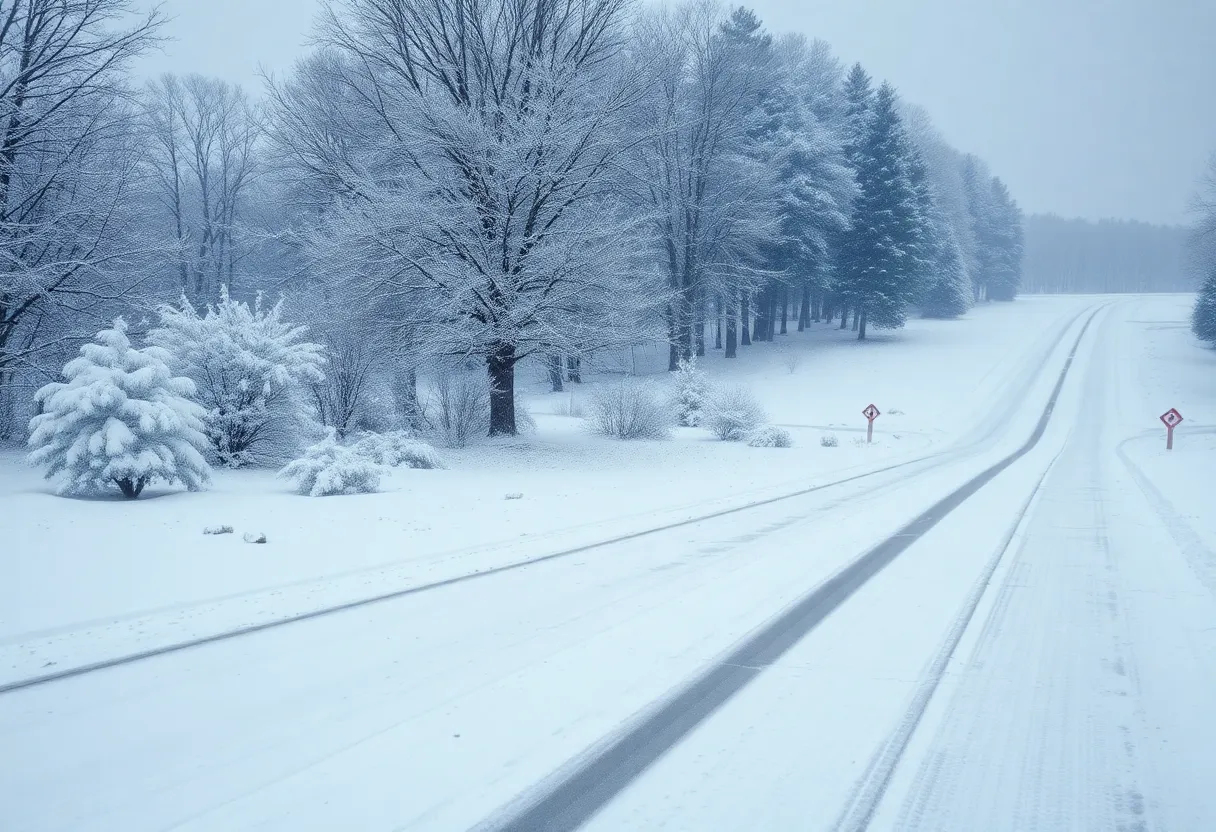
The winter storm began late Friday, January 27, 2023, bringing heavy snowfall and icy conditions to various parts of North Carolina. According to the National Weather Service, some areas received over a foot of snow, particularly in the western mountainous regions. The storm prompted the issuance of winter storm warnings and advisories across the state, affecting transportation, power provision, and emergency services.
In the capital city of Raleigh, snow accumulation was significant, resulting in treacherous road conditions and multiple accidents. Officials reported that over 200 car crashes were recorded on the first day of the storm alone. The North Carolina Department of Transportation worked around the clock to clear the roads, deploying more than 1,000 trucks equipped with snowplows and salt spreaders.
Power outages were another major consequence of the storm, with approximately 50,000 residents left without electricity at the height of the event. Utility companies mobilized crews from unaffected areas to assist in restoration efforts as ice-laden tree branches fell on power lines. By Monday morning, significant progress had been made, although some remote locations continued to experience outages.
Community Response and Preparedness
Local emergency management agencies coordinated resources to assist with shelter for those displaced by the storm and to provide food and warm clothing for vulnerable populations. The North Carolina Emergency Management Agency activated its State Emergency Operations Center and worked with counties to address immediate needs.
The storm’s impact has reignited discussions on winter storm preparedness in North Carolina, where historically, such severe weather is less common compared to northern states. Experts suggest that as climate patterns evolve, residents and local authorities may need to adapt strategies to handle increasingly unpredictable weather incidents.
Conclusion
The North Carolina winter storm serves as a stark reminder of the potential dangers posed by extreme weather. As state officials reflect on the recent storm, it will be crucial to refine emergency response systems and enhance public awareness regarding safety during winter weather events. Future preparedness initiatives may include improving community outreach and investing in infrastructure designed to withstand severe winter conditions. Such steps are essential for ensuring the safety and resilience of North Carolina in the face of changing weather patterns.