
The Importance of Inclement Weather Awareness
Inclement weather, characterized by severe storm conditions such as heavy rain, strong winds, and extreme temperatures, has increasingly become a significant concern across the United States. With climate change exacerbating weather patterns, the effects of inclement weather on public safety, economic stability, and social infrastructure are more pressing than ever.
Recent Events Highlighting Inclement Weather Risks
This past month alone, various regions faced challenges due to inclement weather. In California, a series of powerful storms have led to widespread flooding, causing road closures and property damages estimated in the millions. Meanwhile, the Midwest has reported heavy snowfall and wind chills reaching dangerously low temperatures, prompting safety advisories from the National Weather Service.
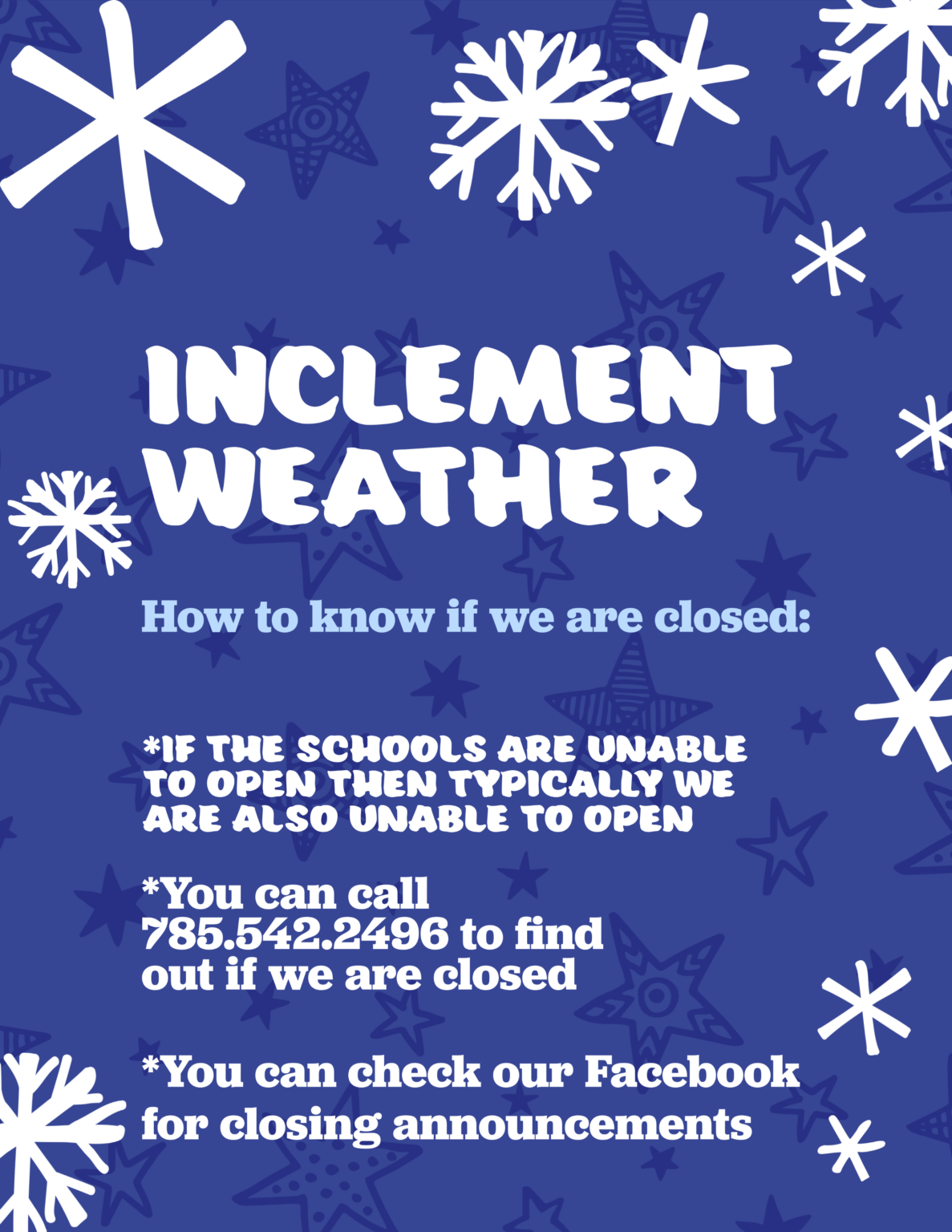
Authorities have urged residents to stay informed via weather updates and to prepare for rapid changes in conditions. Schools and businesses have adjusted schedules, reflecting the significant disruption that inclement weather can cause—highlighting the importance of developing resilient infrastructures.
The Economic Impact of Severe Weather
According to the National Oceanic and Atmospheric Administration (NOAA), weather-related disasters have cost the U.S. economy approximately $1.2 trillion over the past 40 years. Industries such as agriculture, transportation, and tourism can suffer catastrophic losses during extreme weather events. For example, farmers in the Midwest have reported yield losses due to unpredictable frost patterns affecting planting schedules.
Preparing for Future Inclement Weather Events
As weather forecasts continue to warn of more severe conditions in the coming months, community leaders are working to improve preparedness strategies. Schools are implementing emergency response plans, while local businesses are encouraged to develop contingency plans to mitigate financial risks. Individuals are reminded to have emergency kits ready and to stay informed through reliable news outlets.
Conclusion
As assessments of severe weather’s impact intensify, it is crucial for residents to take inclement weather seriously. Preparation is essential—both on a personal level and for communities as a whole. Experts suggest that by integrating robust emergency planning and resilient infrastructure development, cities can better withstand the ongoing changes in weather patterns. Overall, understanding and adapting to inclement weather not only ensure safety but also enhance economic stability in the face of environmental challenges.