
Introduction
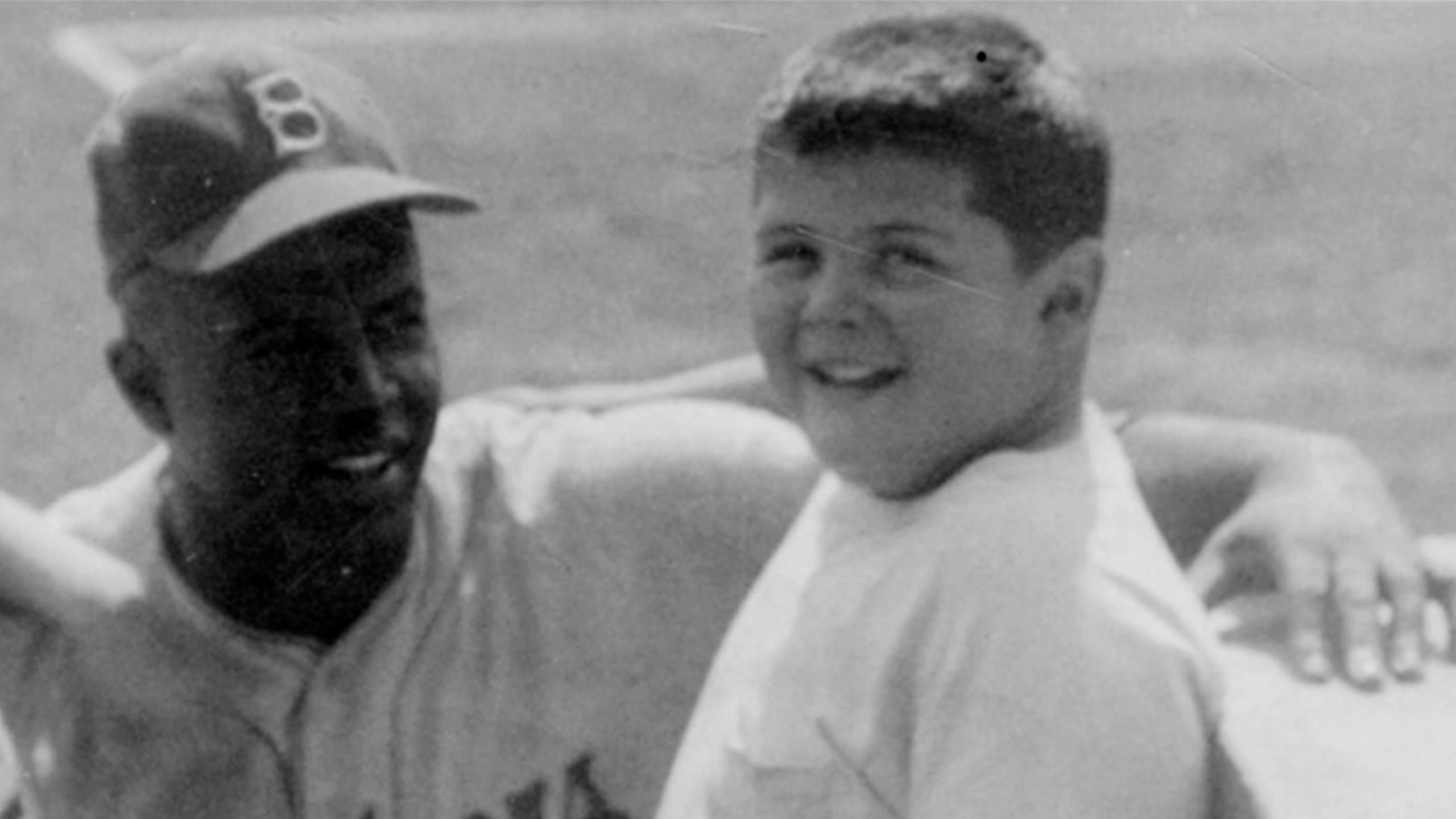
Jackie Robinson is not just a name in the world of sports; he symbolizes courage, perseverance, and the ongoing struggle for equality. As the first African American to play in Major League Baseball (MLB) in the modern era, Robinson’s contributions extend beyond the baseball diamond. His story is not only about breaking barriers but also about inspiring generations to fight against racial discrimination. Understanding Robinson’s legacy is crucial, particularly in today’s context, as discussions around diversity and inclusion remain at the forefront of both sports and society.
Breaking the Color Barrier
In 1947, Jackie Robinson made history when he stepped onto the field for the Brooklyn Dodgers, becoming the first African American to compete in the MLB since the 1880s. This was a significant moment, as it came during a time when racial segregation was prevalent in many aspects of American life. Robinson faced immense challenges, including hostility from players, fans, and even some members of the media. However, he remained resilient and focused, determined to prove that he belonged in the league.
Impact on Civil Rights
Robinson’s influence transcended sports. His bravery in the face of adversity inspired the Civil Rights Movement. By challenging the status quo through his performance and character, he forged a path for other African American athletes. Robinson used his platform to advocate for social justice, becoming deeply involved in civil rights initiatives in the later years of his life. His legacy is exemplified by the ongoing Jackie Robinson Day, celebrated every April 15, where all MLB players wear his iconic number 42 to honor his contributions.
Legacy and Recognition
Robinson’s achievements were recognized when he was inducted into the Baseball Hall of Fame in 1962. His life story is chronicled through various media, including the critically acclaimed film “42,” which highlights both the challenges he faced and his remarkable accomplishments. In 1997, Major League Baseball permanently retired his number across all teams, a historic move that signifies his lasting impact on the sport.
Conclusion
Jackie Robinson’s legacy is a testament to the power of sports as a vehicle for social change. His story is not only a pivotal chapter in baseball history but also a reminder of the ongoing fight for equality and justice. As we reflect on the lessons learned from Robinson’s life, it is essential to continue advocating for diversity and inclusion in all areas, ensuring that his legacy endures. The significance of Jackie Robinson remains relevant, challenging us to honor his contributions by continuing the work for equity in our communities.