
Introduction
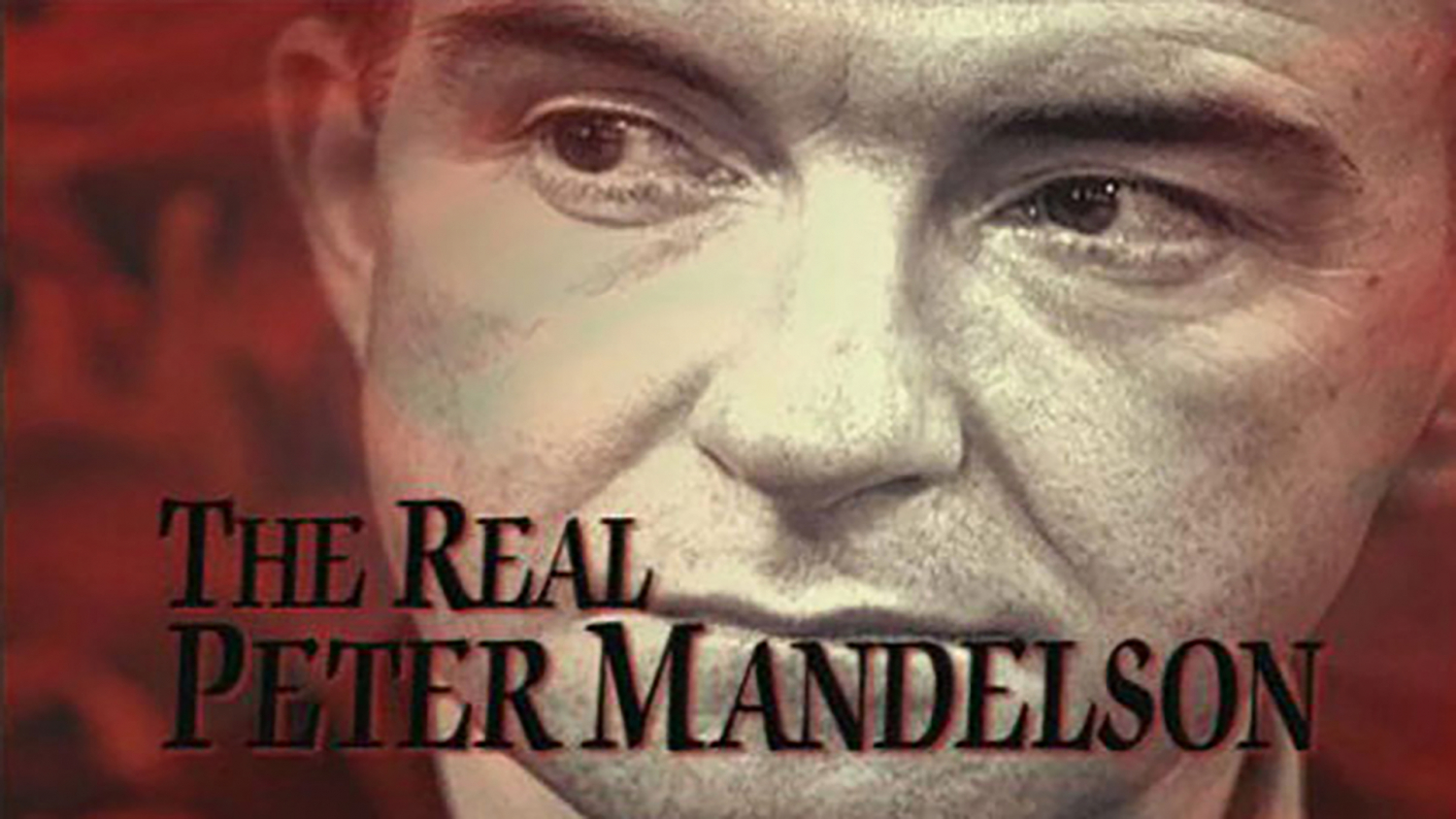
Peter Mandelson is a prominent figure in UK politics, best known for his influential role in the Labour Party and as a key advisor to former Prime Minister Tony Blair. Understanding Mandelson’s journey provides insight into modern British political dynamics and the evolution of the Labour Party over the years.
Political Career and Key Roles
Mandelson was first elected to Parliament in 1992, representing the Hartlepool constituency. However, it was his association with the ‘New Labour’ movement that propelled him into the spotlight. As one of the architects of New Labour, he helped reshape the party’s policies, moving it towards the center and focusing on issues like economic modernization and social justice.
His tenure in government includes serving as Secretary of State for Trade and Industry and later as Secretary of State for Northern Ireland. His impactful, albeit controversial, approach to politics often placed him at the heart of pivotal discussions, especially regarding the Northern Ireland peace process.
Controversies and Challenges
Mandelson’s career has not been without its controversies. He resigned from the government twice in the late 1990s due to allegations of misconduct and was often criticized for his close ties to big business and media moguls. Despite this, his resilience and ability to navigate political upheavals proved his commitment to the Labour Party’s success.
Recent Developments
In recent years, Mandelson has remained active in political commentary and advocacy, focusing on progressive policies and influencing new generations of politicians. He has also been involved in various campaigns surrounding issues such as Brexit, advocating for remaining aligned with Europe. His insights continue to shape discussions on the future of the Labour Party and its direction.
Conclusion
Peter Mandelson’s influence on British politics, particularly within the Labour Party, cannot be overstated. As a figure who has weathered numerous political storms and contributed to major policy shifts, understanding his legacy is crucial for anyone interested in the current and future landscape of UK politics. His ability to adapt to changing political climates highlights the ongoing evolution of party politics, making his story a significant one in the context of modern Britain.