
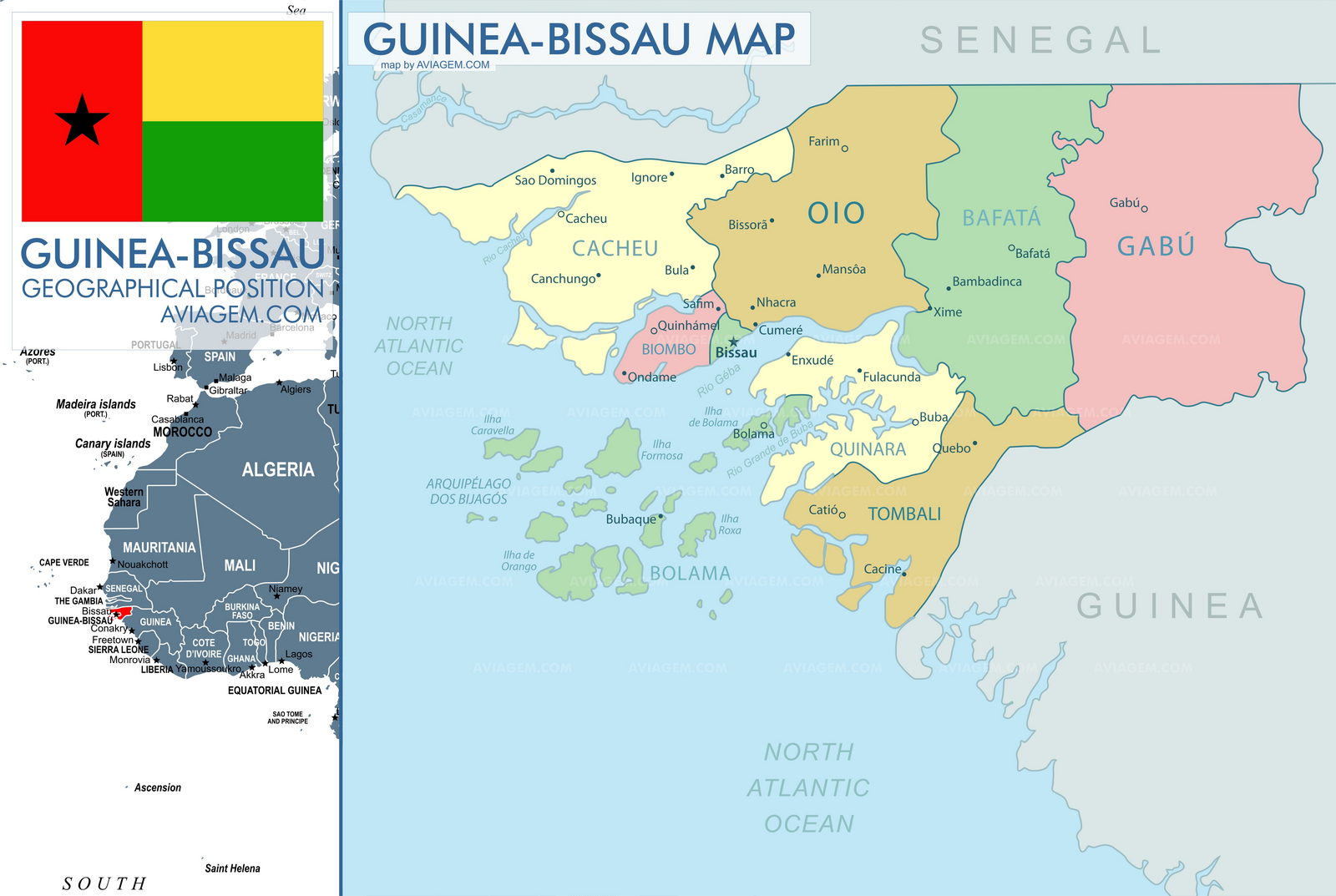
Introduction to Guinea Bissau
Guinea Bissau, located on the western coast of Africa, has recently gained attention due to its complex political landscape and rich cultural heritage. Despite its small size and population of approximately 2 million, the country is significant for its biodiversity, historical influences, and ongoing struggles for political stability. Understanding current events in Guinea Bissau is crucial for grasping the broader context of West Africa’s socio-political dynamics.
Recent Political Developments
In 2023, Guinea Bissau has been navigating a tumultuous political environment, highlighted by the rise of political tensions and calls for reform. In late September, the country held local elections that were largely seen as a litmus test for the governing party’s popularity. The elections were marked by allegations of irregularities, but were generally deemed successful by international observers. These developments play a critical role in shaping the direction of the nation as it seeks to stabilize its democratic processes.
Economic Challenges and Growth Prospects
Economically, Guinea Bissau faces significant challenges, primarily focusing on agriculture, which accounts for about 40% of the GDP. Cashews are the chief export product, providing livelihoods for thousands of farmers. The International Monetary Fund (IMF) recently provided insights indicating that the economy is on a gradual recovery track after the impacts of the COVID-19 pandemic, which exacerbated existing vulnerabilities.
Social Issues and Environmental Concerns
Socially, Guinea Bissau deals with issues such as poverty, unemployment, and education access. The government, alongside various NGOs, is striving to improve these conditions, particularly for youth. Furthermore, environmental concerns are paramount due to deforestation and challenges in maintaining biodiversity, especially in the Bijagós Archipelago, a UNESCO Biosphere Reserve.
Conclusion
As Guinea Bissau moves forward, the interplay of politics, economics, and social issues will crucially influence its path to stability and growth. The situation remains fluid, but if the government can effectively manage reforms and meet citizen expectations, Guinea Bissau could emerge as a more stable entity within the region. Observers and stakeholders must watch closely as these developments unfold, as they will hold significant implications for the country’s future.