
Introduction
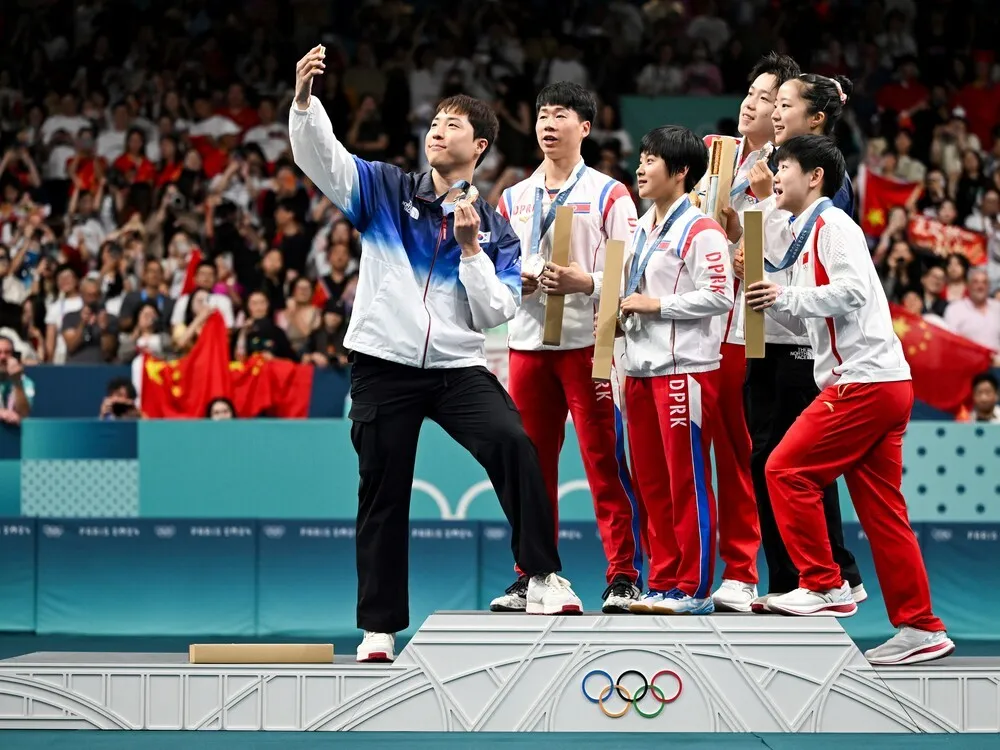
The topic of North Korea’s participation in the Olympic Games is significant as it highlights not only the country’s athletic aspirations but also its political and social dynamics. Over the years, North Korea’s involvement in the Olympics has been influenced by international relations, domestic propaganda, and the delicate nature of its alliances. As the 2024 Paris Olympics approach, questions regarding North Korea’s participation have resurfaced, drawing interest from both sports enthusiasts and political analysts.
Historical Context
North Korea first participated in the Olympics in 1964, with its delegation attending the Tokyo Games. Since then, the nation has made sporadic appearances, often focusing on a small group of athletes who compete primarily in sports that are heavily funded and promoted by the government. The 1980 Moscow Olympics saw North Korea alongside other countries boycotting the Games, reflecting its stance against particular geopolitical tensions.
Recent Developments
Throughout the 2010s, North Korea engaged in a more visible approach during the Olympics, notably during the PyeongChang 2018 Winter Games. The country sent its largest delegation in years, including athletes and cheerleaders, opening discussions about potential diplomatic reconciliation. However, following these gestures, North Korea’s relations with South Korea and other nations have been turbulent, particularly exacerbated by sanctions and military tests.
As of late 2023, the country has faced additional isolation due to the COVID-19 pandemic, which effectively closed its borders and limited international engagement. Speculation remains around whether North Korea will send a delegation to the upcoming Olympics, with reports detailing its ongoing investment in athletic programs despite the country’s economic hardships.
The Future of North Korea in the Olympics
As the world anticipates the 2024 Paris Olympics, the participation of North Korea remains uncertain. Analysts suggest that if North Korea does participate, it could serve as a platform for international dialogue and potential easing of diplomatic tensions. Conversely, any lack of participation might indicate the regime’s continued isolationist stance.
Conclusion
North Korea’s involvement in the Olympics extends beyond the realm of sports; it encapsulates the complex interplay of politics, diplomacy, and national pride. As discussions continue regarding its future in Olympic events, observers will keenly watch for signs indicating whether athletics might provide a bridge for interaction or remain an emblem of isolation. The upcoming Games could either showcase North Korean athletes’ talents on an international stage or highlight the ongoing rift between the Hermit Kingdom and the global community.