
Introduction
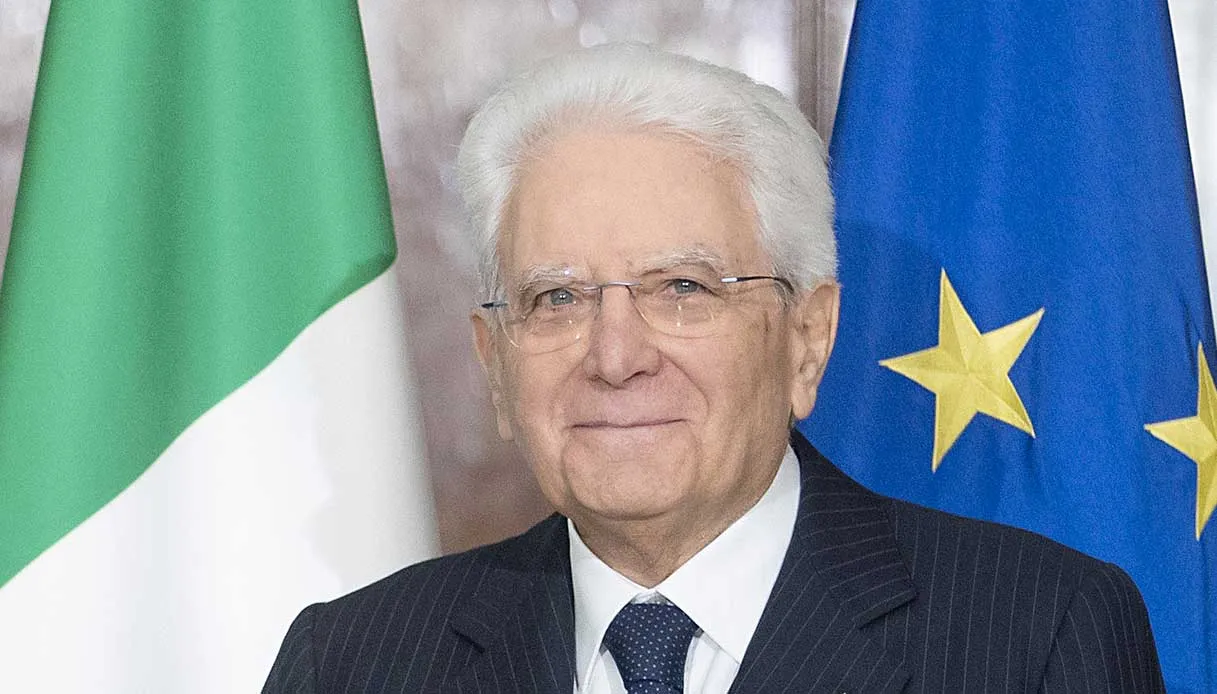
Sergio Mattarella, elected as the President of Italy in January 2015, plays a crucial role in the Italian political landscape. His leadership during challenging times, including economic crises and the COVID-19 pandemic, has made him a significant figure not only in Italy but also on the European stage. Understanding Mattarella’s presidency is essential for grasping the dynamics of Italian governance and its impact on European affairs.
Mattarella’s Background
Sergio Mattarella was born on July 23, 1941, in Palermo, Sicily. Coming from a politically active family—his father was a prominent figure in the Christian Democracy party—Mattarella has dedicated much of his life to public service. He held various government roles before assuming the presidency, including Minister for Education and Minister for Defense. His academic background and legal expertise add to his reputation as a thoughtful and well-informed leader.
Presidential Role and Challenges
As President, Mattarella serves as a figurehead and symbol of national unity, while also having significant powers especially in times of political instability. His presidency has been marked by a commitment to the Italian constitution, democracy, and European integration. Notably, during the COVID-19 pandemic, he urged unity and resilience among Italians, emphasizing the importance of solidarity in overcoming adversity. His calls for cooperation among political parties were pivotal in forming a unity government in 2021 under Prime Minister Mario Draghi.
Recent Developments
In recent months, Mattarella has continued to advocate for strong responses to the economic challenges facing Italy, exacerbated by global inflation and energy crises stemming from the geopolitical tensions in Eastern Europe. He has also been involved in discussions surrounding Italy’s recovery plans post-COVID-19, promoting investments in innovation and infrastructure as key areas for revitalization.
Conclusion
Sergio Mattarella’s presidency represents a steadying presence in Italy’s tumultuous political environment. His commitment to the European Union and democratic values underscores his importance as an Italian and European leader. As Italy navigates its future, especially in light of current economic difficulties and the need for political cohesion, Mattarella’s ability to unite and inspire will be crucial in shaping a resilient Italy moving forward.