
Introduction
Macedonia, a region in the Balkan Peninsula, has been a crossroads of civilizations for centuries. Renowned for its rich history, diverse cultures, and significant contributions to art, science, and politics, Macedonia holds an intrinsic value in the modern landscape of Europe. Today, the Republic of North Macedonia, alongside the broader geographical region, continues to play a pivotal role in cultural and political discussions amidst evolving geopolitical dynamics.
Historic Significance
The history of Macedonia is marked by notable events and figures. It is famously known as the birthplace of Alexander the Great, whose empire stretched across three continents, influencing cultures around the world. The region has endured various invasions, occupations, and political changes, from ancient Greek times through Roman and Ottoman periods, shaping its cultural identity.
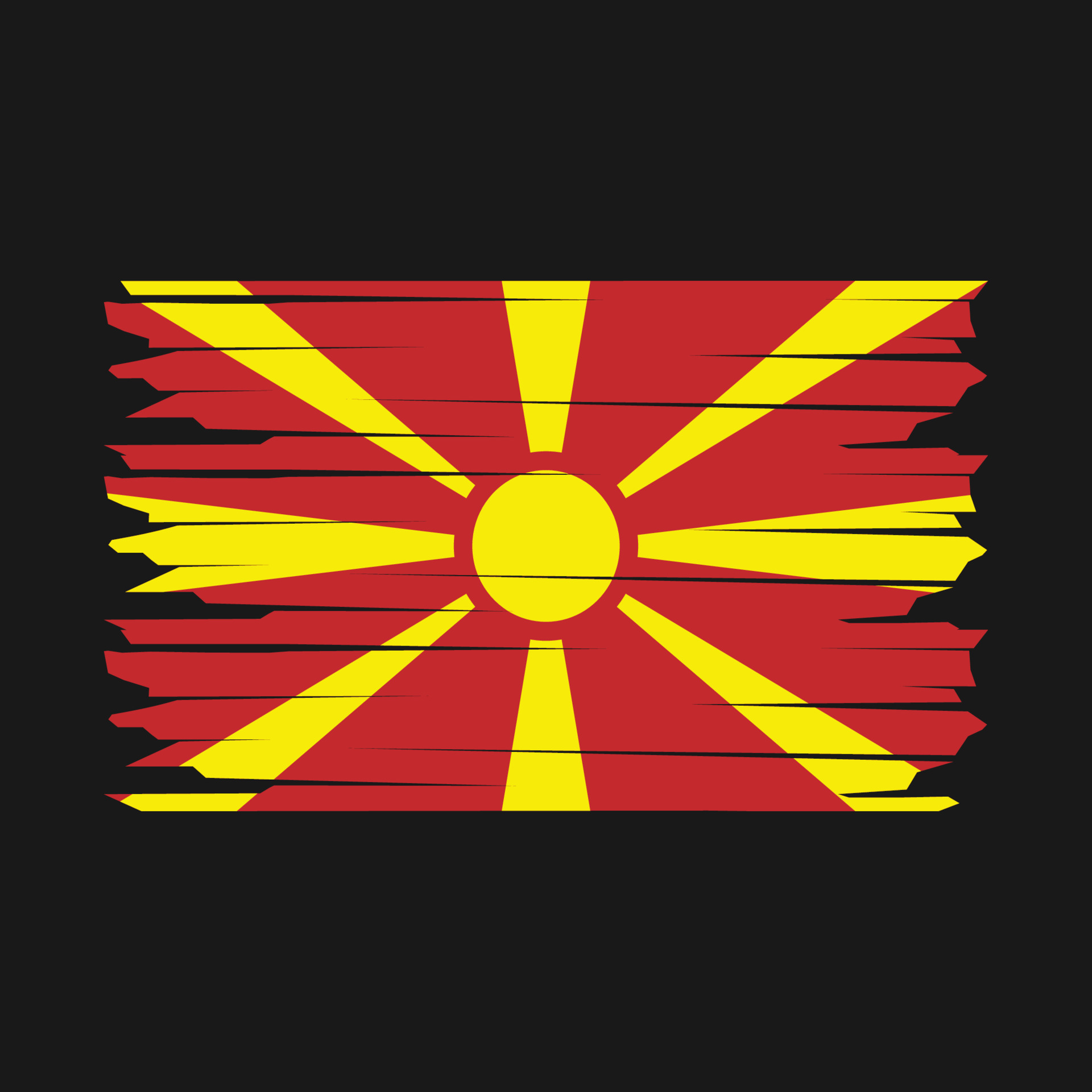
In recent years, the struggle for recognition and identity has kept Macedonia in international headlines. In 2019, Macedonia officially changed its name to the Republic of North Macedonia following a historic agreement with Greece, resolving a long-standing dispute over the name that has significant implications for national identity and international relations.
Cultural Aspects
Macedonia boasts a rich blend of ethnic traditions, languages, and religions. The country is home to a variety of festivals, celebrating diverse aspects of its cultural heritage. Events like the Ohrid Summer Festival attract visitors worldwide, showcasing music, theatre, and traditional arts. Macedonian cuisine, influenced by Mediterranean and Eastern European flavors, highlights the nation’s agricultural abundance and rich culinary traditions.
Current Events and Outlook
As of 2023, North Macedonia seeks to deepen its ties with the European Union and NATO, aspiring for eventual membership while grappling with internal challenges, including political stability and economic development. The country’s strategic geographical location continues to make it a link between the East and West, poised to benefit from regional collaborations and investments.
Conclusion
The significance of Macedonia extends beyond its historical legacy; it embodies resilience and the continuous search for identity and cooperation in a rapidly changing world. Understanding Macedonia’s past and present is crucial for appreciating its role in the broader European context. As the nation navigates its future, its unique cultural and historical heritage will undoubtedly continue to contribute to the mosaic of European identity.