
Introduction
Severe weather is becoming increasingly significant in Hawaii, affecting not only the beautiful landscape and tourism but also the daily lives of residents. As climate change intensifies weather patterns globally, Hawaii experiences a range of severe weather events, which include tropical storms, heavy rainfall, flooding, and even landslides. Understanding these patterns is crucial for both residents and visitors alike.
Recent Weather Events
In recent weeks, Hawaii has faced several severe weather incidents, primarily influenced by the changing climatic conditions. For instance, Hurricane Douglas approached the islands last month, bringing heavy rainfall and high winds. While the storm eventually veered away from the main islands, it served as a stark reminder of the potential for destructive weather in the region.
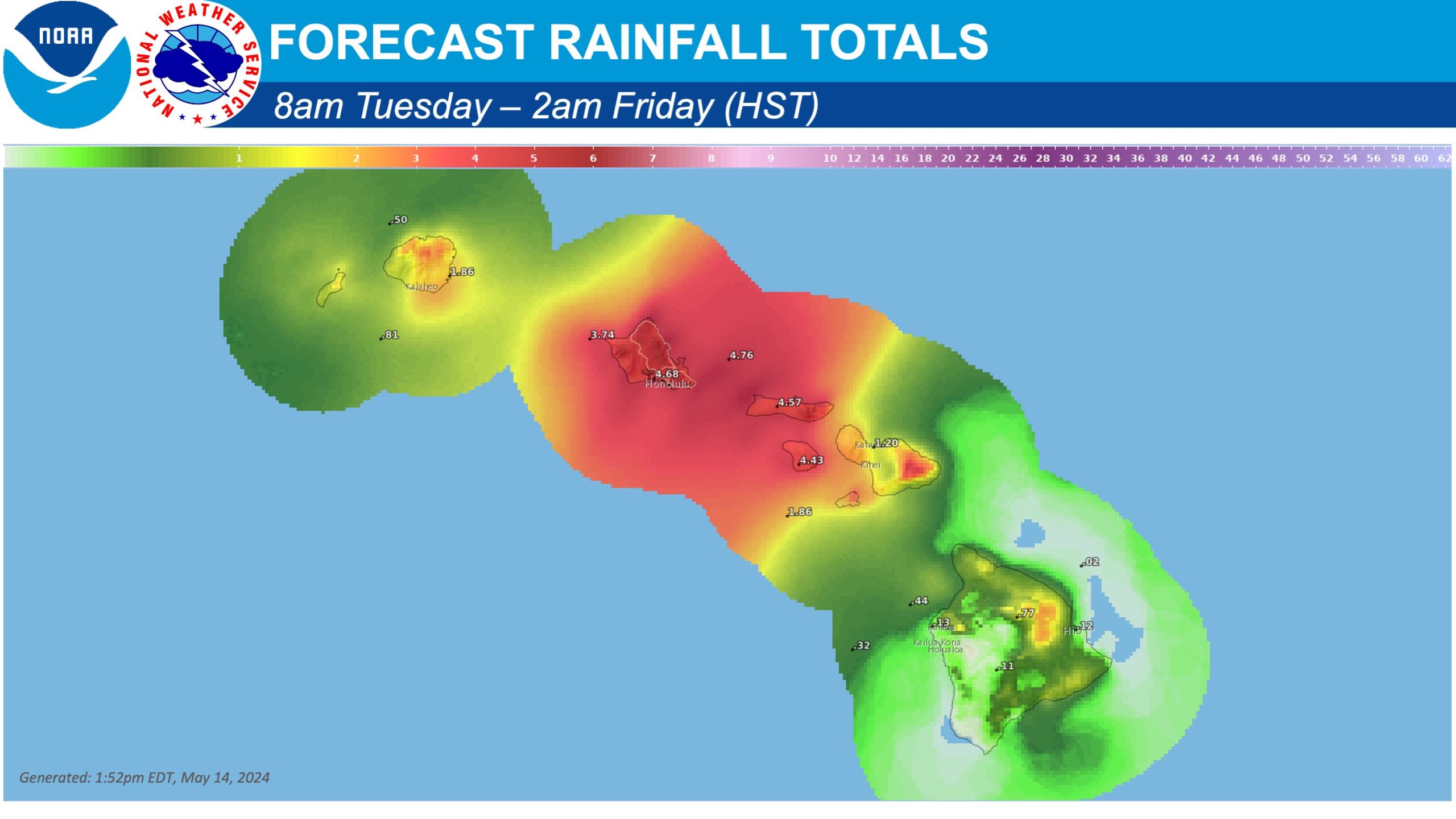
Additionally, localized storms have caused flash floods in parts of Maui, prompting emergency responses. The National Weather Service reported rainfall rates exceeding 4 inches in certain areas, leading to the temporary closure of roads and schools. These incidents highlight the increasing frequency and intensity of rain events in the region, which could be linked to a warming climate.
Impact on Communities and Environment
The consequences of severe weather are felt throughout Hawaii. Flooding can lead to erosion, damage to infrastructure, and loss of agricultural productivity. Communities often have to deal with power outages and disrupted services, which can strain local resources. For instance, in the aftermath of major storms, many residents have reported challenges accessing clean water and food supplies due to inundated roads and damaged stores.
Environmentally, severe weather exacerbates the challenges faced by local ecosystems. The unique flora and fauna of Hawaii are at risk due to climate-related stressors, including increased salinity in coastal areas and the spread of invasive species following floods.
Conclusion
As Hawaii continues to grapple with severe weather, it becomes essential for authorities and community members to develop more effective preparedness and response strategies. Investing in resilient infrastructure, enhancing emergency response protocols, and raising awareness about weather-related risks are critical steps forward.
With ongoing research into climate patterns and their implications, residents and visitors can better understand the dynamics at play. This knowledge will enable everyone to take proactive steps toward preparing for and mitigating the effects of severe weather in Hawaii. The need for vigilance and adaptation has never been more relevant in this picturesque yet increasingly vulnerable paradise.