
Introduction to Snow Squalls
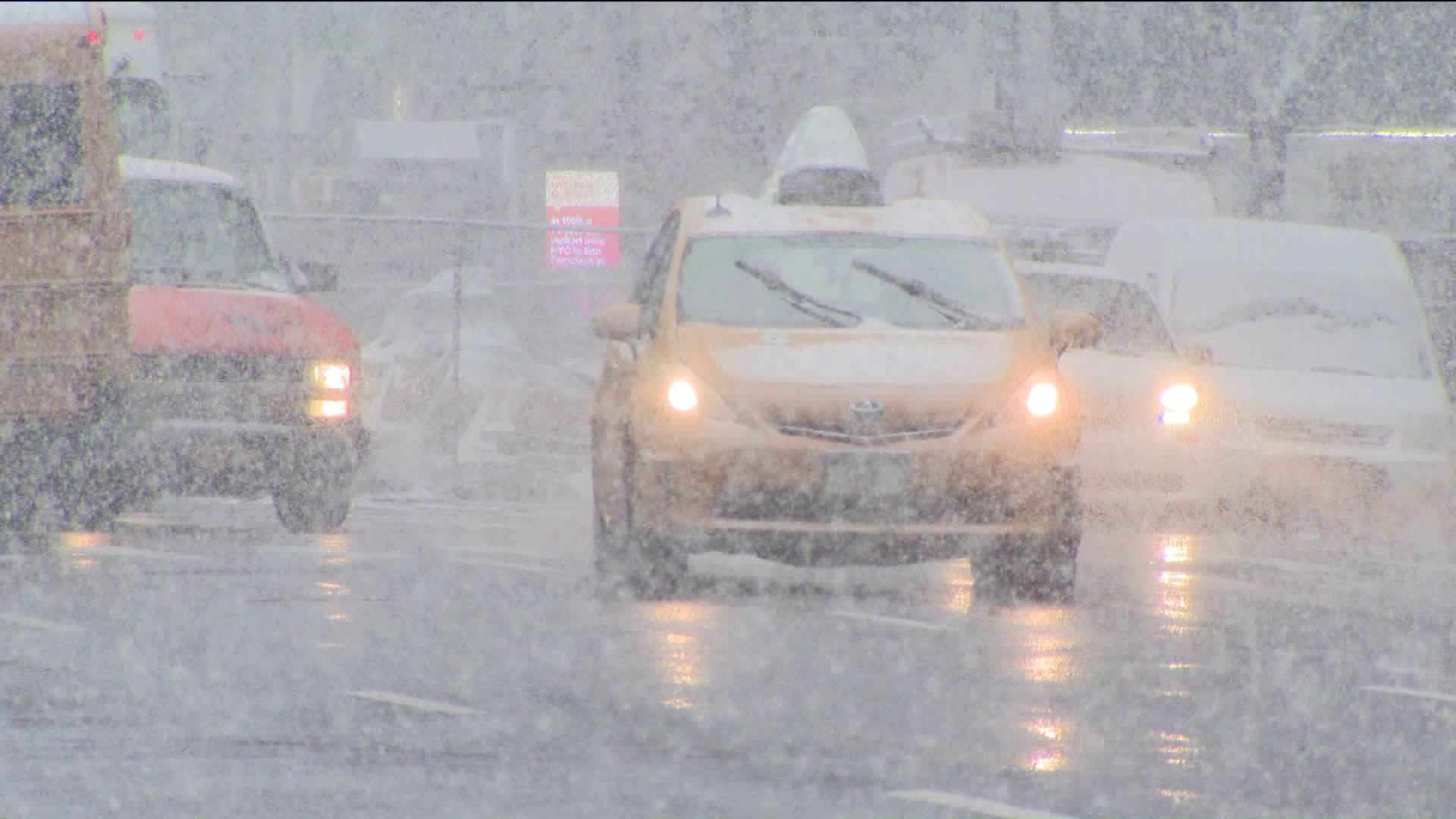
Snow squalls are brief but intense bursts of snowfall that can lead to hazardous winter driving conditions. These sudden weather events can occur with little warning, significantly impacting road visibility and safety. As winter approaches, understanding the nature of snow squalls becomes increasingly important for residents in affected regions and travelers alike.
What is a Snow Squall?
A snow squall is defined as a short, intense period of snowfall, often accompanied by strong winds, which can drastically reduce visibility and lead to rapid accumulation on roadways. These squalls typically last less than an hour but can produce snowfall rates of 1-2 inches per hour. They are often associated with cold front passages and can lead to dangerous conditions, prompting swift weather advisories from meteorological services.
Recent Events and Weather Patterns
In early November 2023, parts of the Midwest and Northeast U.S. experienced a series of snow squalls that disrupted commutes and caused accidents. The National Weather Service (NWS) reported numerous incidents of vehicles sliding off the road due to slick conditions. In some areas, visibility dropped to less than a quarter-mile, heightening the risk of collisions.
Scientists emphasize the need for better forecasting of these squalls to give residents adequate warnings. While snow squalls can occur almost anywhere it snows, they are most prevalent in areas where cold air meets moist air, often upon the arrival of a winter storm.
Safety Tips for Driving During a Snow Squall
Motorists are urged to take precautions when traveling during snow squall conditions. Here are essential tips for ensuring safety:
- Stay Informed: Monitor weather reports and heed warnings from local authorities.
- Avoid Travel: If a snow squall is forecasted, consider delaying travel until conditions improve.
- Drive Cautiously: Use low beams and increase following distances to allow for reduced visibility.
- Prepare Your Vehicle: Ensure your car is winter-ready with proper tires, windshield wipers, and emergency supplies.
Conclusion
Understanding snow squalls and their potential dangers is vital for anyone living in or traveling through affected areas during winter months. With changing weather patterns and increased frequency of extreme weather events, awareness and preparedness can significantly enhance safety on the roads. As meteorological science continues to evolve, more effective forecasting could help mitigate the risks associated with snow squalls, ultimately saving lives and preventing accidents.