
Introduction
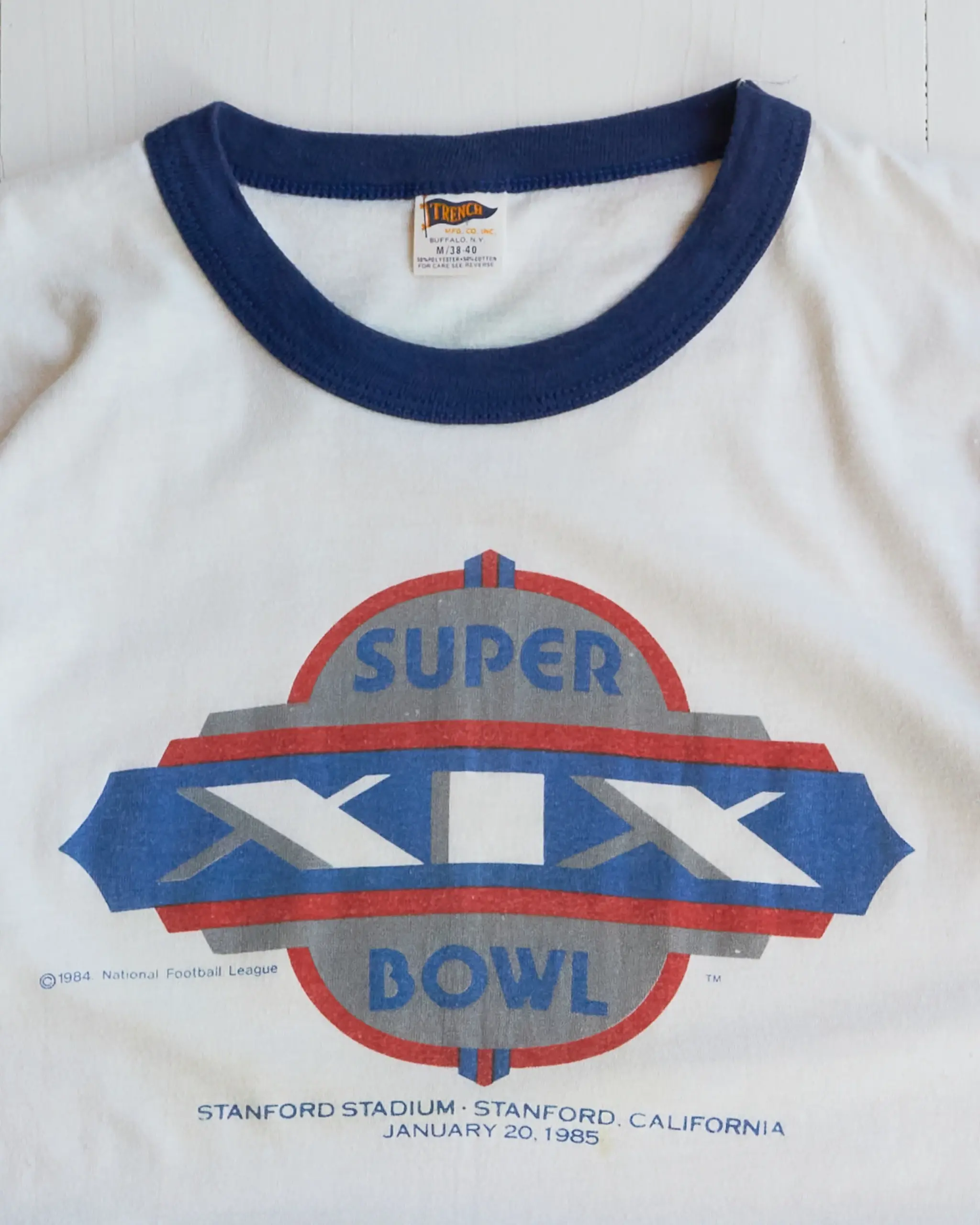
The 1985 Super Bowl, officially known as Super Bowl XIX, was not just a game; it was a landmark event in American sports history. Held on January 20, 1985, at Stanford Stadium in Palo Alto, California, this championship game pitted the San Francisco 49ers against the Miami Dolphins. The significance of this matchup extended beyond the field, capturing the attention of millions and influencing the future direction of professional football.
Key Events Leading Up to the Game
The 1984 NFL season leading to the Super Bowl was remarkable, showcasing some of the best teams in football. The San Francisco 49ers, led by coach Bill Walsh and quarterback Joe Montana, entered the game with a 15-1 record, making them formidable contenders. Conversely, the Miami Dolphins, with their star quarterback Dan Marino, were looking to improve upon their previous Super Bowl loss and showcased a dynamic offense that was redefining how the game could be played.
Game Highlights
The game itself was a showcase of strategy and skill. The 49ers took an early lead, with Montana displaying exceptional composure under pressure. Francis Gary’s 44-yard touchdown catch and complete dominance over the Dolphins’ defense highlighted a performance that would etch Montana into the annals of Super Bowl lore.
The Dolphins tried to battle back, showcasing Marino’s powerful passing game; however, the 49ers’ defense kept them in check. Ultimately, the 49ers triumphed with a score of 38-16, marking their second Super Bowl victory and solidifying Montana’s reputation as one of the greatest quarterbacks of all time. The game also featured an iconic halftime show, which emphasized the cross-cultural appeal of the Super Bowl, further embedding it into the fabric of American entertainment.
Impact and Legacy
The 1985 Super Bowl was significant not only for its thrilling content but also for its lasting impact on the NFL and popular culture. The performance of Joe Montana and the innovative offensive strategies employed by the 49ers set new standards for professional football, influencing how future teams would build their rosters and game plans.
In the years following the 1985 Super Bowl, the game evolved into a major event, heralding a new era of commercial partnerships, entertainment, and sports marketing. The Super Bowl transformed into a cultural milestone that would be an integral part of American life each year, drawing millions of viewers and generating significant revenues.
Conclusion
The 1985 Super Bowl remains a pivotal moment in NFL history. Not only did it showcase elite athletic talent, but it also contributed to the development of the Super Bowl as a mega-event in sports and entertainment. As future generations of players and fans come to appreciate the legacies of the past, the lessons and excitement from the 1985 matchup will undoubtedly continue to resonate.