
Introduction
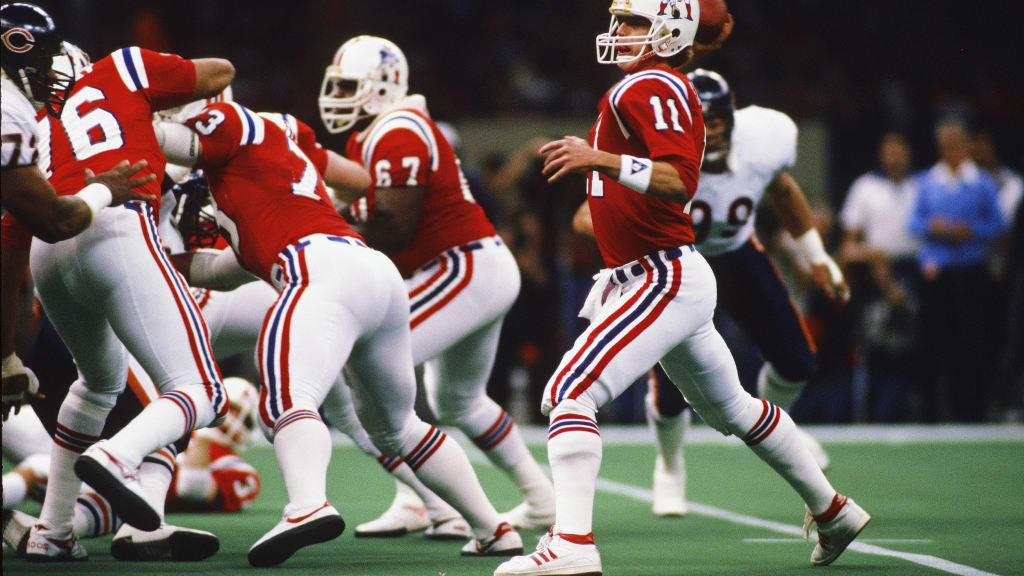
The 1986 Super Bowl, known as Super Bowl XX, was a pivotal moment in NFL history, showcasing the talents of the Chicago Bears and the New England Patriots. Held on January 26, 1986, at the Louisiana Superdome in New Orleans, Louisiana, this championship game was not only significant for its thrilling competition but also for the emergence of one of the most dominant teams in NFL history: the Bears. The Super Bowl remains a benchmark for football performance and entertainment value.
The Teams: Bears vs. Patriots
The battle in Super Bowl XX featured the Chicago Bears, led by coach Mike Ditka, and the New England Patriots, under coach Raymond Berry. The Bears entered the championship with a formidable 15-1 regular season record, propelled by their unmatched defense, nicknamed the ‘Monsters of the Midway’. On the other hand, the Patriots, who finished the season with an 11-5 record, were making their first Super Bowl appearance.
Game Highlights
The game itself turned out to be a display of remarkable athletic prowess. The Bears dominated from the outset, with a powerful defensive effort that stifled the Patriots’ offense. The final score of 46-10 in favor of the Bears marked one of the most lopsided victories in Super Bowl history. Bears’ linebacker Richard Dent, who was named the Super Bowl MVP, delivered a stellar performance that included a key interception and multiple quarterback pressures.
Cultural Impact
Beyond the scoreboard, Super Bowl XX had a significant cultural impact. The game was viewed by over 50 million television audiences, and its halftime show featured the renowned performer Up with People, reflecting the era’s taste in entertainment. Additionally, the event paved the way for future Super Bowls to further market celebrity entertainers during halftime, which has since become a trademark of the Super Bowl experience.
Conclusion
The 1986 Super Bowl remains a landmark event in NFL history due to the Chicago Bears’ iconic season and their dominant performance in the championship. As we reflect on this historic game, it serves not just as a memorable sporting event but as a cultural milestone that has helped shape the Super Bowl’s legacy as one of the premier spectacles in American sports. The Bears’ victory and the game’s prominence continue to resonate with fans, influencing both on-field play and off-field entertainment strategies in subsequent decades.