
Introduction to Georgia
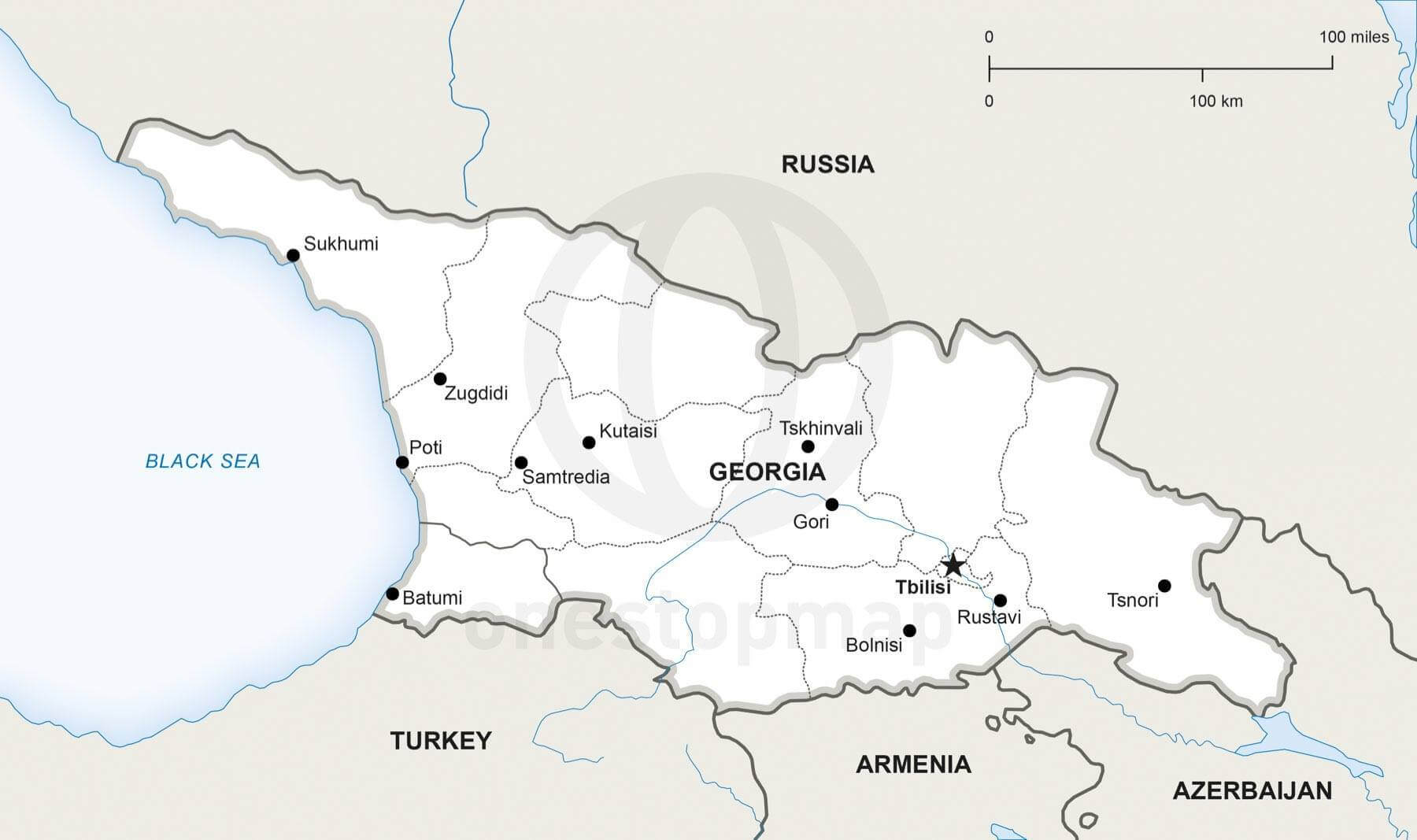
Georgia, a captivating country located at the intersection of Europe and Asia, has gained significant recognition in recent years for its rich history, stunning landscapes, and vibrant culture. Nestled in the Caucasus region, Georgia’s strategic location has made it a crossroads for various civilizations throughout centuries, contributing to its unique blend of influences from both the East and West.
Geography and Landscape
Georgia is renowned for its diverse topography, featuring majestic mountains, lush valleys, and picturesque coastlines along the Black Sea. The Greater Caucasus mountain range traverses the north, offering breathtaking views and opportunities for outdoor activities such as skiing, hiking, and climbing. In stark contrast, the lush landscapes of the Samegrelo region invite visitors to explore its rich agricultural heritage and unique flora.
Historic Significance
The country’s history dates back thousands of years, with evidence of early human settlements found in the region. Georgia has a wealth of historical sites, including ancient churches, monasteries, and fortresses. Notable locations such as the UNESCO World Heritage Site of Mtskheta highlight Georgia’s significance as a former capital and spiritual center. The integration of ancient and modern elements makes Georgia a fascinating case study for historians and travelers alike.
Cultural Richness
Georgia is also celebrated for its vibrant cultural traditions, particularly its music, dance, and gastronomy. The country is famous for its polyphonic singing, a practice inscribed on the UNESCO Intangible Cultural Heritage list. Georgian cuisine, renowned for its flavorsome dishes such as khachapuri (cheese-filled bread) and khinkali (dumplings), showcases the country’s agricultural richness and cultural depth. Festivals dedicated to traditional music and dance are regularly held, further promoting cultural preservation.
Tourism and Modern Developments
In recent years, Georgia has emerged as a popular tourist destination, thanks to its hospitable locals and diverse attractions. Cities like Tbilisi, the capital, and Batumi along the Black Sea coast, have seen a surge in tourism, leading to the development of infrastructure and services catering to international visitors. The government has actively promoted tourism through campaigns and incentives, positioning Georgia as a gateway to experiencing a blend of ancient traditions and modern amenities.
Conclusion
As Georgia continues to gain prominence on the global stage, its rich cultural heritage and strategic location offer significant potential for economic growth and cultural exchange. The country’s ability to bridge diverse influences and maintain its traditions amidst modernization makes Georgia an intriguing destination for travelers and scholars alike. With ongoing investments in tourism and infrastructure, the future looks bright for this enchanting country, promising even more exciting discoveries for those willing to explore its depths.