
Introduction
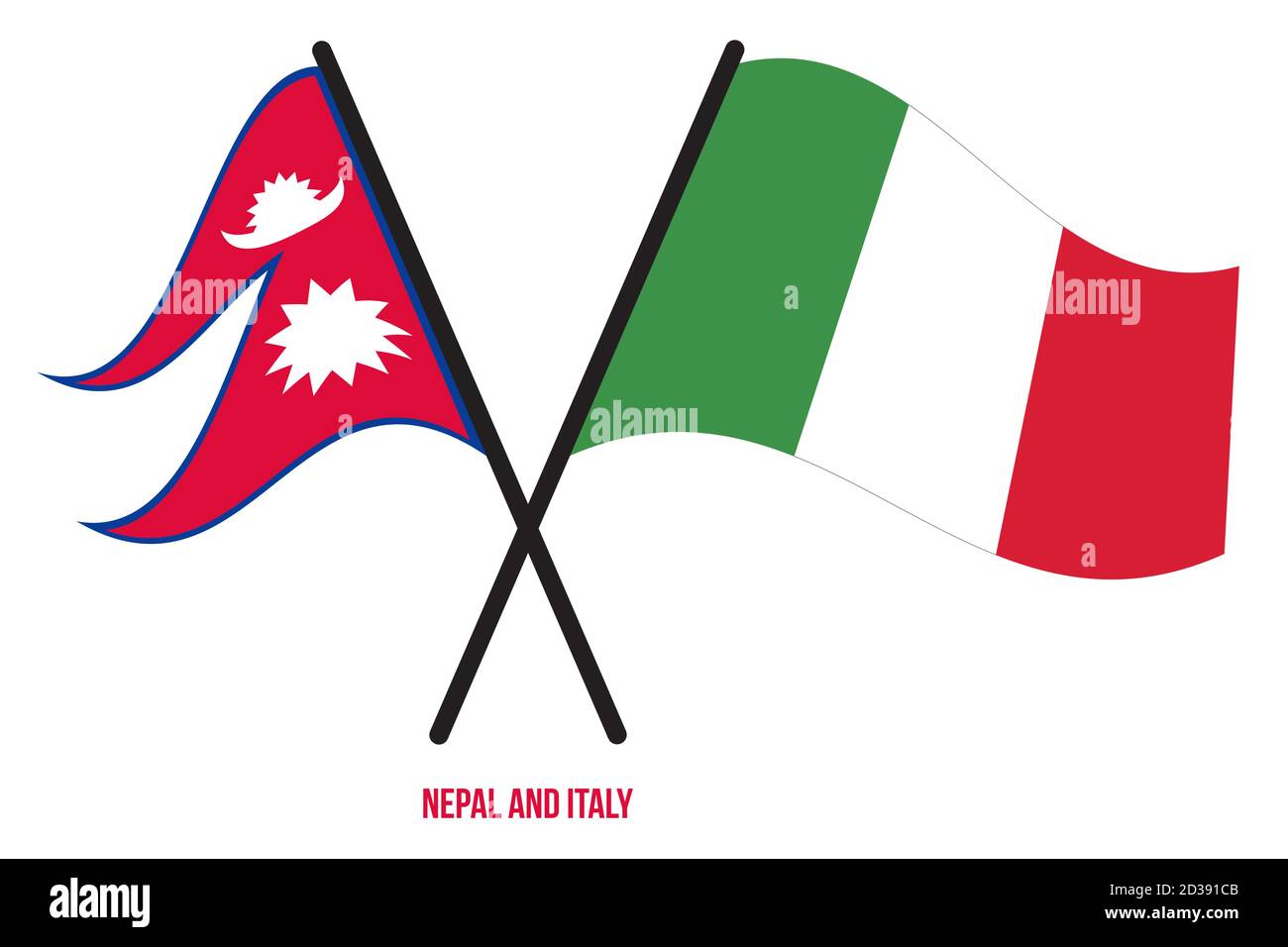
The comparison between Nepal and Italy offers a fascinating glimpse into the diversity of world cultures. While these two countries are poles apart geographically, with Nepal nestled in the heart of the Himalayas and Italy in southern Europe, they each boast rich histories, unique cuisines, and profound cultural identities. Understanding these differences and similarities provides insight not only into each country but also into their social values and traditions.
Cultural Heritage
Nepal is renowned for its vibrant traditions, which reflect a confluence of Hindu and Buddhist influence. Festivals like Dashain and Tihar are celebrated with great enthusiasm, marking the changing seasons and honoring the deities. Additionally, the architecture of Kathmandu Valley, recognized as a UNESCO World Heritage site, showcases remarkable temples and historic structures that draw millions of tourists annually.
In contrast, Italy is steeped in a rich history that spans centuries, evidenced by its world-class art, architecture, and culinary traditions. Renowned figures like Leonardo da Vinci and Michelangelo have left indelible marks on the Italian landscape, and cities like Florence and Rome act as living museums of Renaissance art. Italian cuisine, famous for dishes such as pasta and pizza, is cherished worldwide and underscores the importance of family and conviviality in Italian culture.
Cuisine Comparisons
The culinary offerings of both countries reveal much about their cultural identities. Nepalese cuisine is diverse and hearty, often centered around rice, lentils, and vegetables, with popular dishes including dal bhat and momo (dumplings). The emphasis on communal eating exemplifies the Nepalese focus on familial bonds and hospitality.
Italian food, recognized for its regional diversity, emphasizes fresh ingredients and seasonal produce. The Mediterranean diet, rich in olive oil, tomatoes, and seafood, showcases the country’s connection to the land and sea. Both cuisines celebrate their respective cultural histories, with food serving as a conduit for tradition and identity.
Natural Landscapes
Nepal’s breathtaking natural scenery ranges from the towering peaks of the Himalayas, including Mount Everest, to lush valleys and serene lakes. The country offers a multitude of trekking routes, attracting adventure seekers and nature lovers alike, significantly contributing to its tourism sector.
Italy, on the other hand, presents a stunning variety of landscapes from the rolling hills of Tuscany to the serene shores of Amalfi. National parks and countryside vistas cater to outdoor enthusiasts and provide a different flavor of natural beauty that complements the historical and cultural riches of the country.
Conclusion
In summary, the comparison of Nepal and Italy sheds light on two remarkably distinct cultures that offer rich experiences in history, cuisine, and natural beauty. By exploring these differences, followers of global culture and travel enthusiasts can appreciate how each country, in its unique way, contributes to the tapestry of human experience. Whether you are drawn to the spiritual landscapes of Nepal or the artistic legacy of Italy, each destination promises a rewarding journey full of discovery.