
Introduction
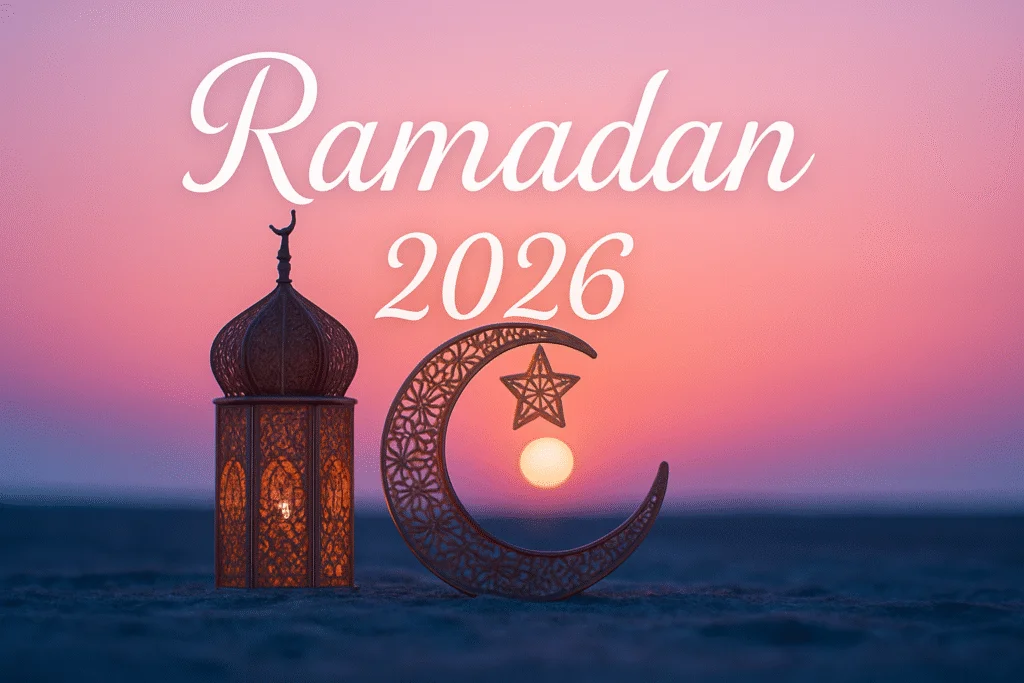
Ramadan, the ninth month of the Islamic lunar calendar, holds profound significance for Muslims worldwide. In 2026, Ramadan is expected to commence on the evening of February 17 and last until March 18, marking a time for fasting, prayer, reflection, and community. Understanding the traditions and importance of Ramadan is crucial not only for practicing Muslims but also for those looking to appreciate Islamic culture and global diversity.
What is Ramadan?
Ramadan is a month during which Muslims fast from dawn until sunset, refraining from eating and drinking as a form of spiritual discipline. The fast is observed as an act of worship and spiritual rejuvenation, aiming to enhance self-control and empathy towards the less fortunate. During the month, Muslims are encouraged to read the Quran, engage in charitable acts, and increase their prayers, making it a period of heightened spirituality.
Significance of Ramadan
Ramadan commemorates the month in which the Quran was revealed to the Prophet Muhammad. The fasting period serves as a reminder of the importance of humility, community, and gratitude. Each evening, the fast is broken with a meal called Iftar, often starting with dates and water, followed by a larger meal shared among family and friends. In many communities, communal prayers, or Tarawih, are also held in mosques, bringing people together in worship.
Global Observance
While the essence of Ramadan is shared by Muslims across the globe, its observance can vary significantly by culture and region. In countries with larger Muslim populations, such as Indonesia, Pakistan, and Turkey, Ramadan is a public affair involving markets, communal dining, and community events. In non-Muslim majority countries, the observance may be more private, with individuals finding ways to maintain their traditions amidst diverse cultural environments.
Conclusions and Looking Ahead
As Ramadan 2026 approaches, Muslims around the world prepare for this sacred month with anticipation and resolve. It remains a time for spiritual growth, community bonding, and reflection on one’s relationship with faith. The significance of Ramadan transcends religious boundaries, offering a glimpse into the values of compassion, discipline, and community support in an increasingly interconnected world. As communities prepare for the observance, understanding these practices enhances our appreciation of diverse cultures and their contributions to global society.