
Daylight Saving Time in 2026
“The House and Senate should push hard for more Daylight at the end of a day. Very popular and, most importantly, no more changing of the clocks, a big inconvenience and, for our government, A VERY COSTLY EVENT!!!” This statement by Donald Trump reflects a growing sentiment among many Americans regarding daylight saving time.
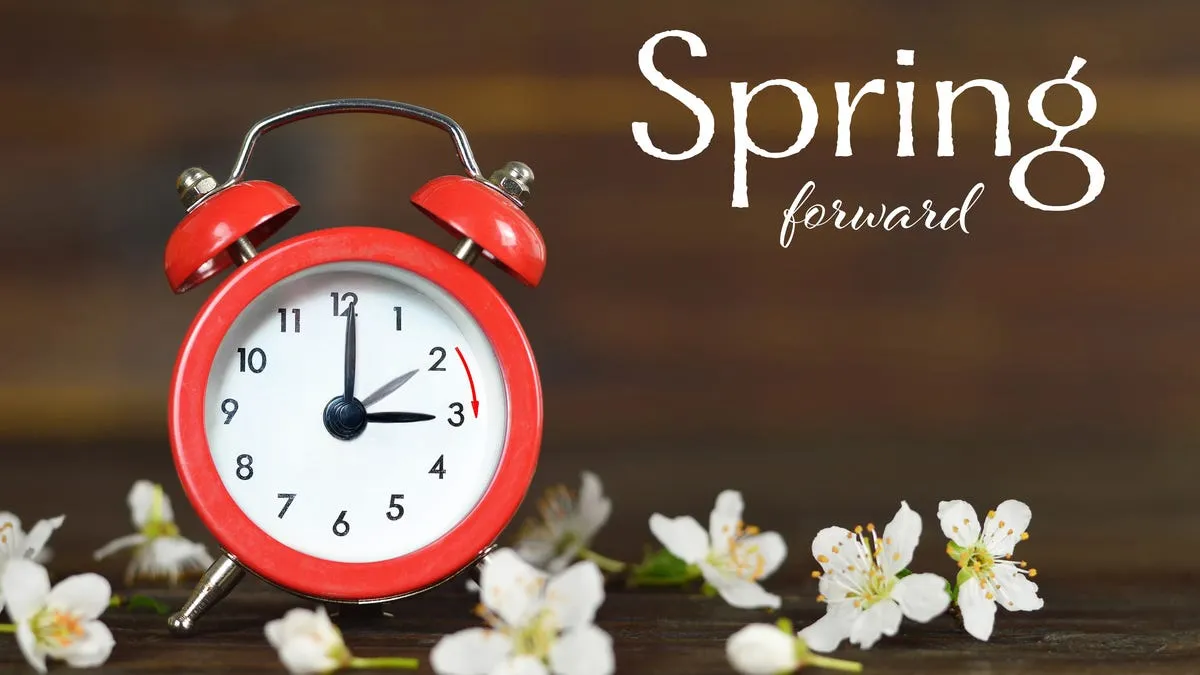
Daylight saving time (DST) is set to begin at 2 a.m. on March 8, 2026, when clocks will spring forward one hour. This annual practice, which lasts for approximately eight months, is intended to provide more daylight during the evening hours. It will end at 2 a.m. on November 1, 2026, when clocks fall back one hour.
Historically, daylight saving time was first adopted in the U.S. in 1918 during World War I as a measure to conserve fuel. Over the years, it has been a topic of debate, with proponents arguing that it saves energy and allows for more outdoor activities in the evening. However, critics point to negative health effects associated with the time change.
As of now, only Hawaii and Arizona do not observe daylight saving time, with exceptions for the Navajo Nation in Arizona. The practice was moved to the second Sunday of March in 2007, standardizing the start date across the country.
Recent polls indicate a significant shift in public opinion regarding daylight saving time. According to a YouGov poll, two-thirds of Americans favor the permanent elimination of the time change, while only 16 percent support keeping it. A Gallup poll from March 2025 further revealed that 54 percent of Americans wanted to eliminate daylight saving time altogether.
Despite these sentiments, legislative efforts to change the current system have faced challenges. The Sunshine Protection Act, which aims to make daylight saving time permanent, was passed in the Senate in 2022 but has stalled in the House. This ongoing legislative gridlock leaves many Americans uncertain about the future of daylight saving time.
As the start date for daylight saving time in 2026 approaches, discussions around its benefits and drawbacks continue to evolve. While some argue it enhances evening leisure time, others highlight the potential health risks associated with the abrupt time shift. The first day of spring in 2026 will be on March 20 at 10:46 a.m. ET, marking a seasonal transition that many look forward to.
With 238 days of daylight saving time in effect in 2026, the debate over its relevance and impact is likely to persist. As public opinion shifts and legislative efforts continue, the future of daylight saving time remains a topic of significant interest and discussion.