
Prior Expectations
Before the recent developments, the expectation surrounding military engagements in the Middle East was largely focused on conventional warfare and ground troop deployments. The use of advanced missile systems like the Tomahawk was typically reserved for high-stakes operations against clearly defined military targets. The general consensus was that such strikes would be limited to specific military installations, minimizing civilian casualties and adhering to international law.
Decisive Moment
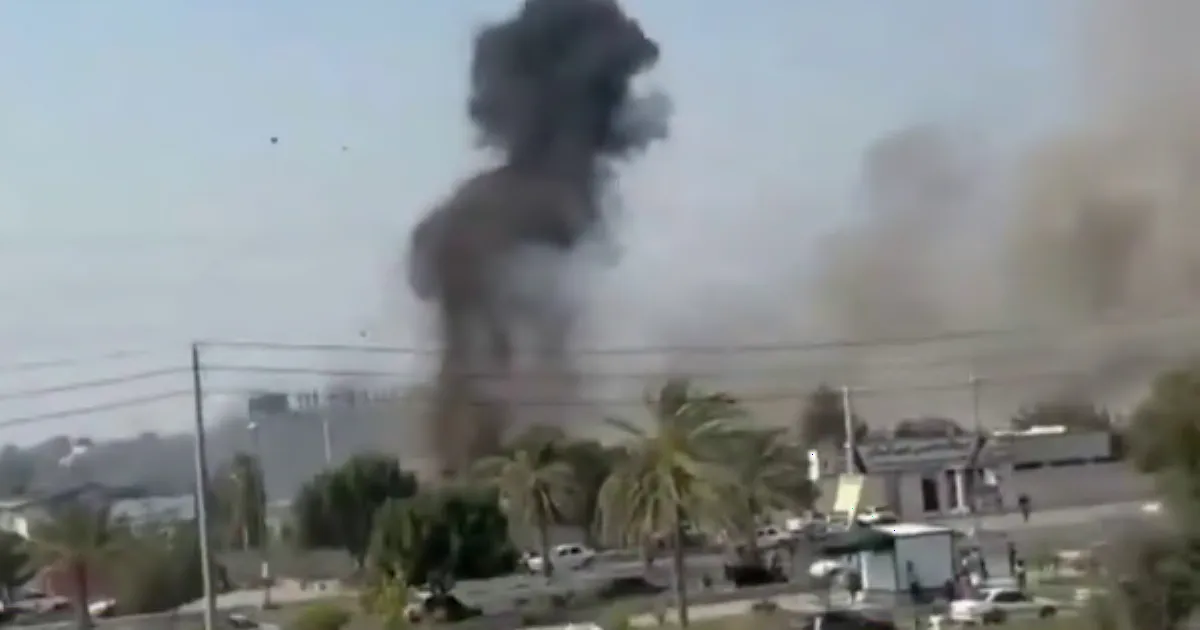
However, on February 28, 2026, a significant shift occurred when a US Tomahawk missile struck the Shajarah Tayyebeh school in Minab, Iran, resulting in the deaths of more than 170 people. This incident marked a dramatic escalation in the use of missile strikes in civilian areas, raising immediate concerns about the implications for international relations and military ethics. The U.S. Central Command confirmed the use of Tomahawk missiles during the ongoing conflict, but the specifics of this strike have drawn widespread condemnation and scrutiny.
Direct Effects on Involved Parties
The immediate aftermath of the missile strike has had devastating effects on the local population, with reports indicating that at least 165 individuals lost their lives, many of whom were civilians. The school, situated near a Revolutionary Guard base, has become a focal point for discussions about the legality and morality of such military actions. The strike has also prompted a response from various international observers and legal experts, who warn that this could constitute a violation of international law.
Expert Perspectives
Experts have weighed in on the implications of the strike. Janina Dill, a legal scholar, emphasized that “attackers are under an obligation to do everything feasible to verify the status of targeted object.” This statement highlights the responsibility of military forces to ensure that their actions do not result in unnecessary civilian casualties. Meanwhile, Donald Trump, in a statement regarding the strike, claimed that Iran has access to Tomahawk missiles, although there is no public evidence to support this assertion. This claim has further complicated the narrative surrounding the strike and the capabilities of Iranian military forces.
Verification and Ongoing Conflict
Independent verification of the missile strike remains limited due to the ongoing conflict in the region. Investigative group Bellingcat has begun examining footage of the incident, which shows a US Tomahawk missile striking near the school. However, the complexities of the situation make it difficult to ascertain the full scope of the event and its implications. Legal experts continue to analyze the circumstances surrounding the strike, questioning whether it adheres to established norms of warfare.
Military Strategy and Future Implications
The Pentagon has initiated an internal assessment of the airstrike, reflecting the seriousness with which military officials are treating the incident. The use of Tomahawk missiles, known for their precision and lethality, raises questions about the future of military strategy in the region. As the U.S. military continues to operate in a volatile environment, the potential for similar strikes could reshape the landscape of military engagement and international relations.
As the situation unfolds, the ramifications of the Tomahawk missile strike in Iran will likely resonate far beyond the immediate tragedy. The incident not only highlights the challenges of modern warfare but also underscores the importance of adhering to international law and protecting civilian lives. Details remain unconfirmed regarding Iran’s capabilities, but the discourse surrounding this event will undoubtedly influence future military and diplomatic strategies.