
Current Situation
As of March 11, 2026, poliovirus continues to circulate in multiple regions worldwide, prompting health authorities to take action. The Centers for Disease Control and Prevention (CDC) has issued a Level 2 travel notice advising travelers to ensure they are fully vaccinated against polio before departing for affected areas.
Polio Transmission and Risks
Polio primarily spreads through the fecal-oral route and respiratory droplets. According to the CDC, roughly 3 out of 4 infections are asymptomatic, but the disease can lead to severe complications. Notably, one in 200 infections can result in paralysis, with a mortality rate of 5 to 10% when breathing muscles are affected.
Poliovirus has been detected in 30 countries, including Germany, the United Kingdom, and Poland. This situation raises concerns, especially for travelers heading to these regions. The CDC recommends that adults who completed the standard childhood vaccination series receive a single lifetime booster dose of the inactivated polio vaccine if traveling to areas with increased risk.
Measles Outbreaks
In addition to polio, the United States is facing a significant rise in measles cases, with almost 1,300 confirmed cases reported in 2026. Measles is highly contagious and spreads through the air, making crowded spaces during busy travel seasons a potential risk factor for outbreaks.
The measles vaccine is highly effective, with a 97% success rate after two doses. Dr. Giridhar Mallya emphasizes the importance of staying up to date on vaccinations, stating, “The most important thing that you can do for yourself and for your children is to make sure you’re up to date on your measles vaccines.”
Public Health Implications
Health experts warn that even a single imported case of measles could lead to local spread in communities with low vaccination coverage. Dr. Leana Wen highlights the critical nature of vaccination in preventing outbreaks, particularly in vulnerable populations.
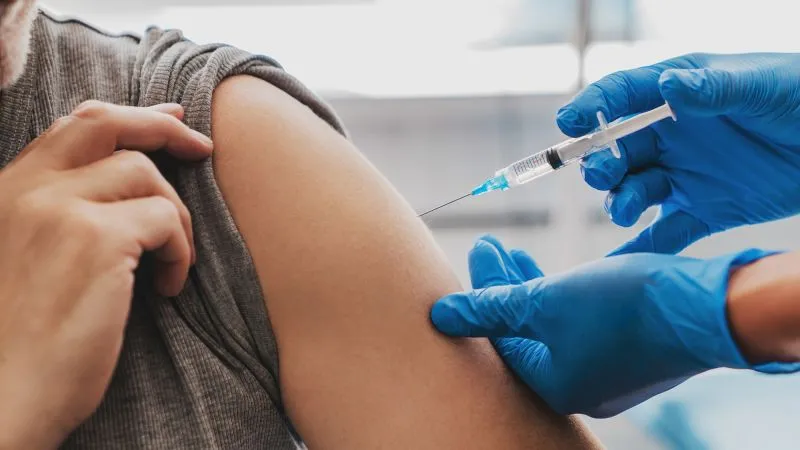
As travelers prepare for their journeys, the importance of travel vaccines cannot be overstated. Ensuring vaccinations are current is a vital step in safeguarding individual and public health against these infectious diseases.