
Before the Incident
Old Dominion University (ODU) in Norfolk, Virginia, was a place of learning and community, with students preparing for the upcoming spring break. The campus had previously been considered a safe environment, despite Virginia’s history of college campus shootings, including the tragic Virginia Tech massacre in 2007.
The Shooting
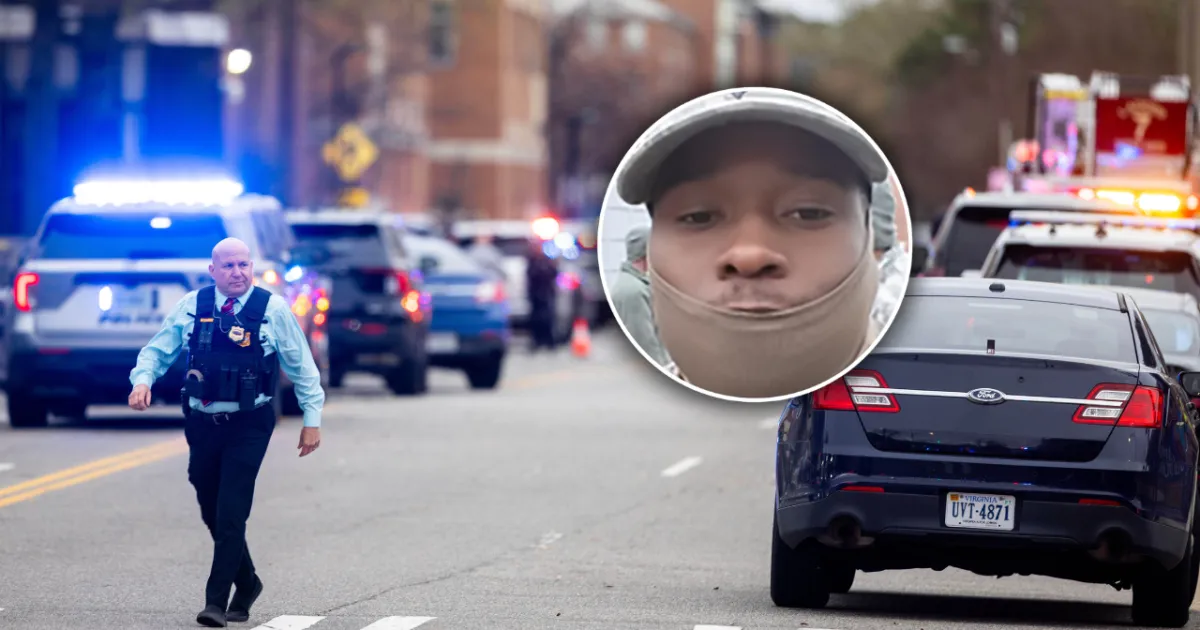
On March 12, 2026, everything changed when Mohamed Bailor Jalloh opened fire in a classroom at ODU. Jalloh, a 36-year-old with a criminal background, shot and killed ROTC Professor Lt. Col. Brandon Shah and wounded two others. The FBI is investigating the incident as a possible act of terrorism, particularly after witnesses reported that Jalloh yelled ‘Allahu Akbar’ before the shooting.
Immediate Response
Students at ODU displayed remarkable bravery, subduing and killing Jalloh within 10 minutes of the first call to police. The swift action of the students likely prevented further casualties. Following the incident, classes and operations at ODU were suspended for the remainder of the day, with the campus closed for support and counseling on March 13.
Reactions and Perspectives
The shooting has sparked a wave of reactions from various stakeholders. Brian O. Hemphill, President of ODU, expressed the gravity of the situation, stating, “There are no words for a moment like this.” Meanwhile, local officials like Jen Kiggans voiced their outrage over Jalloh’s prior release from prison, highlighting the risks posed by individuals with known ties to terrorism.
Looking Ahead
As investigations continue, uncertainties remain. It is unclear why Jalloh’s release from prison was moved up, and the exact cause of his death has not been confirmed. The incident has reignited discussions on gun violence and campus safety, with Norfolk Commonwealth’s Attorney Ramin Fatehi emphasizing the need for political will to address these issues.
The tragic events at Old Dominion University serve as a stark reminder of the vulnerabilities present in educational institutions and the urgent need for comprehensive safety measures.