
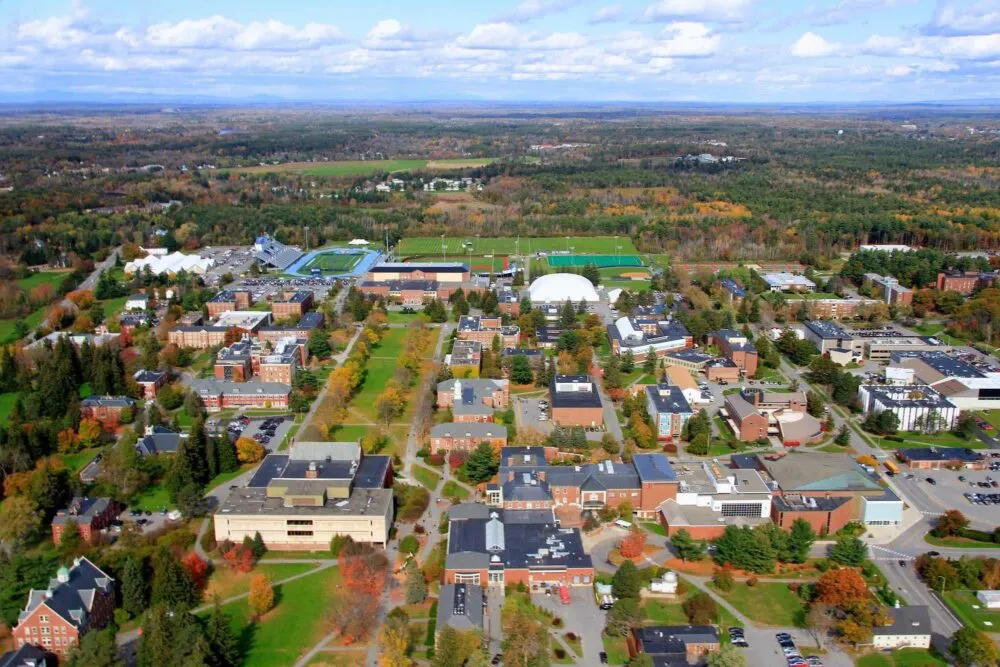
The University of Maine (UMaine) is confronting a significant budget shortfall of $18 million for the upcoming fiscal year, which has led to the elimination of certain academic programs and raised concerns among students and faculty alike.
In a recent decision, the Faculty Senate voted to discontinue a master’s degree in teaching Spanish, which had seen historically low enrollment figures, ranging from zero to three students per year. Additionally, they voted to suspend a bachelor’s degree in medical laboratory sciences for three years, reflecting the institution’s need to streamline its offerings in light of financial constraints.
Despite these cuts, UMaine’s enrollment this fall reached its highest level since 2021, with 25,870 students enrolled. This surge in enrollment comes amid a backdrop where only 15% of the student body identifies as conservative, highlighting the diverse political landscape on campus.
Student engagement remains robust, with over 125 clubs available for students to join, fostering a vibrant campus life. Keegan Tripp, a representative from UMaine Student Government (UMSG), emphasized the importance of student leadership, stating, “Serving as a Student Government executive is a chance to work on behalf of the entire undergraduate student body while gaining real, substantive leadership experience.”
However, the recent decisions regarding program cuts have sparked discussions about the balance between academic offerings and financial viability. Emily Haddad, a member of the Faculty Senate, remarked, “It’s unfortunate for the reasons that were articulated at the senate meeting, but it’s also an appropriate decision based on the demand for the program.”
Furthermore, the Maine College Republicans have faced their own challenges, having been dissolved in 2020 after inviting a controversial speaker, which adds another layer of complexity to the political climate at UMaine.
As the university navigates these significant changes, the administration is expected to continue assessing its academic programs and student services in light of the financial realities. The impact of these decisions on student enrollment and engagement remains to be seen.
Details remain unconfirmed about any further developments regarding the university’s financial strategy and potential additional program adjustments.