
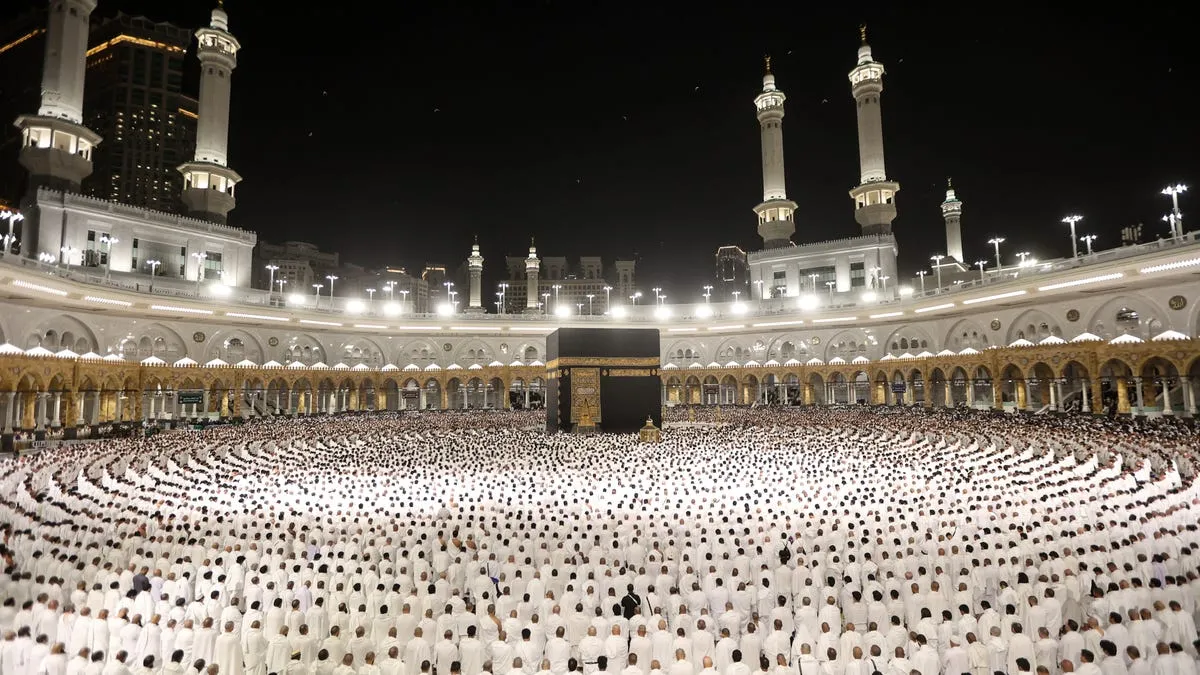
Eid al-Fitr, known as the festival of breaking the fast, is celebrated by Muslims around the world to mark the end of Ramadan. This year, Eid al-Fitr is expected to be observed on March 20, 2026, following the sighting of the crescent moon.
As Ramadan concludes, Muslims prepare for this joyous occasion, which is determined by the lunar Islamic calendar. The date of Eid shifts annually, falling approximately 11 days earlier each year.
On the morning of Eid, Muslims wake up early, don their best clothes, and gather for prayers at local masjids. The greeting exchanged during this festive time is “Eid Mubarak,” which translates to “blessed festival” in Arabic.
Before attending prayers, it is customary for Muslims to give Zakat al-Fitr, a charitable donation intended to help those in need, ensuring that everyone can partake in the celebrations. Charity holds a significant place in Islamic values, emphasizing the importance of supporting the less fortunate.
During Eid, families come together to share meals, as eating during daylight hours is forbidden after a month of fasting. The festivities often last for a day, although some Muslims may celebrate for up to three days.
Children particularly look forward to Eid, as they receive gifts and money, known as “Eidi,” from family members. This tradition adds to the joy and excitement of the holiday, fostering a sense of community and togetherness.
As the date approaches, communities worldwide are preparing for the celebrations. With approximately 2 billion Muslims globally, the impact of Eid al-Fitr is felt across diverse cultures and regions.
In addition to Eid al-Fitr, Muslims also anticipate Eid al-Adha, which is predicted to fall on the evening of May 26, 2026. This second Eid further enriches the Islamic calendar with its own unique traditions and significance.
As the crescent moon sighting confirmation is expected on March 19, 2026, communities are eagerly awaiting the announcement that will officially mark the beginning of this cherished festival.
Overall, Eid Mubarak represents not just the end of a month of fasting, but also a time for reflection, gratitude, and connection among Muslims around the world.