
Historically, the attack on Pearl Harbor on December 7, 1941, marked a pivotal moment for the United States, leading to its entry into World War II and resulting in over 2,400 deaths. This event has long been synonymous with surprise attacks and the necessity of military preparedness. However, recent discussions have brought Pearl Harbor back into the spotlight, particularly in the context of current U.S. military strategies.
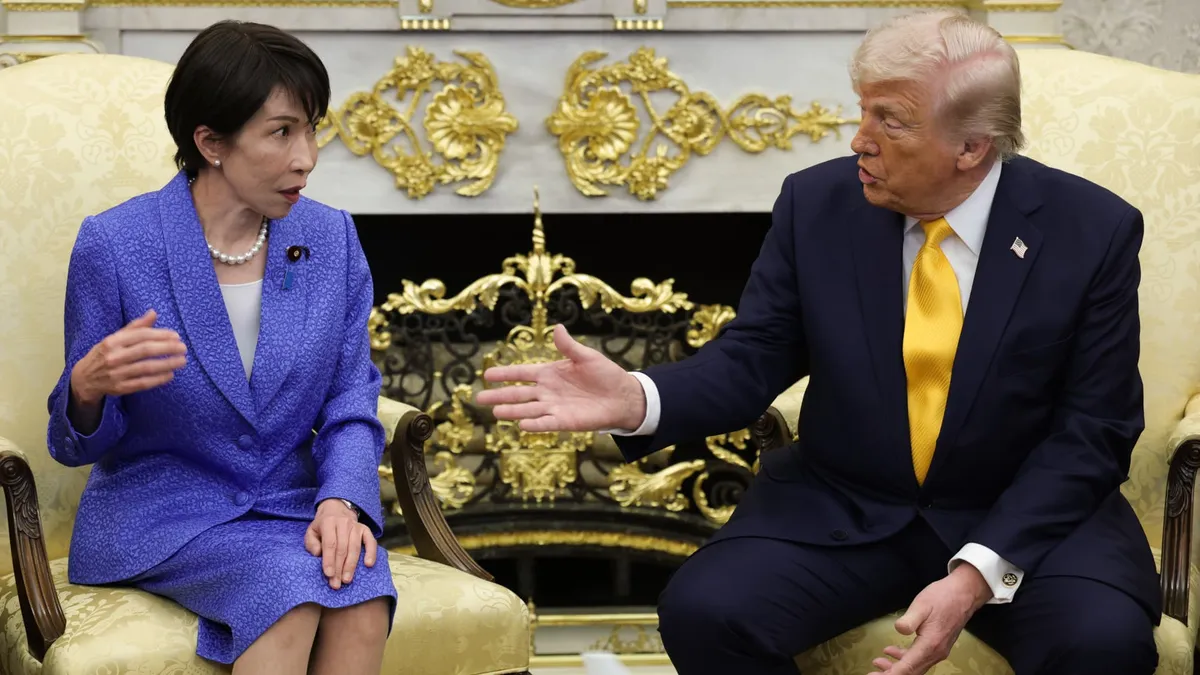
During a meeting in Washington, D.C. on March 19, 2026, former President Donald Trump referenced Pearl Harbor while speaking with Japan’s Prime Minister Sanae Takaichi. Trump’s comments came in light of the U.S. military’s recent actions against Iran, where he stated that the U.S. did not inform its allies about the attack to maintain the element of surprise. This remark drew a parallel to the historical surprise attack on Pearl Harbor, prompting Trump to quip, “Who knows better about that. Why didn’t you tell me about Pearl Harbor? You believe in surprise much more so than I.”
In contrast to the historical context, Japan’s current military stance is governed by a pacifist constitution that renounces war. Prime Minister Takaichi confirmed that Japan had no plans to dispatch naval vessels to the Middle East, emphasizing the country’s commitment to peace. This is a significant shift from the militaristic past associated with Japan during World War II.
The immediate effects of these discussions have been felt across international relations. While Trump praised Japan for its assistance in securing the Strait of Hormuz, Germany and France have stated they would not participate in military actions related to the Iran conflict. This highlights a division among U.S. allies regarding military involvement in the region.
Experts note that the invocation of Pearl Harbor in this context serves as a reminder of the delicate balance of power and the importance of strategic communication among allies. The recent U.S. attack on Iran reportedly knocked out 50% of Iranian capabilities in the first two days, showcasing the effectiveness of surprise tactics in modern warfare.
As tensions continue to rise in the Middle East, the historical lessons of Pearl Harbor resonate with current military strategies. The contrast between Japan’s pacifism and the aggressive posturing of the U.S. underscores the complexities of global security today.
While the historical significance of Pearl Harbor remains a touchstone for discussions about military preparedness, the current geopolitical landscape is marked by differing approaches to conflict and cooperation. As nations navigate these challenges, the echoes of the past will likely continue to influence their strategies.
Details remain unconfirmed regarding the long-term implications of these discussions on U.S.-Japan relations and their collective stance towards Iran.