
Reaction from the field
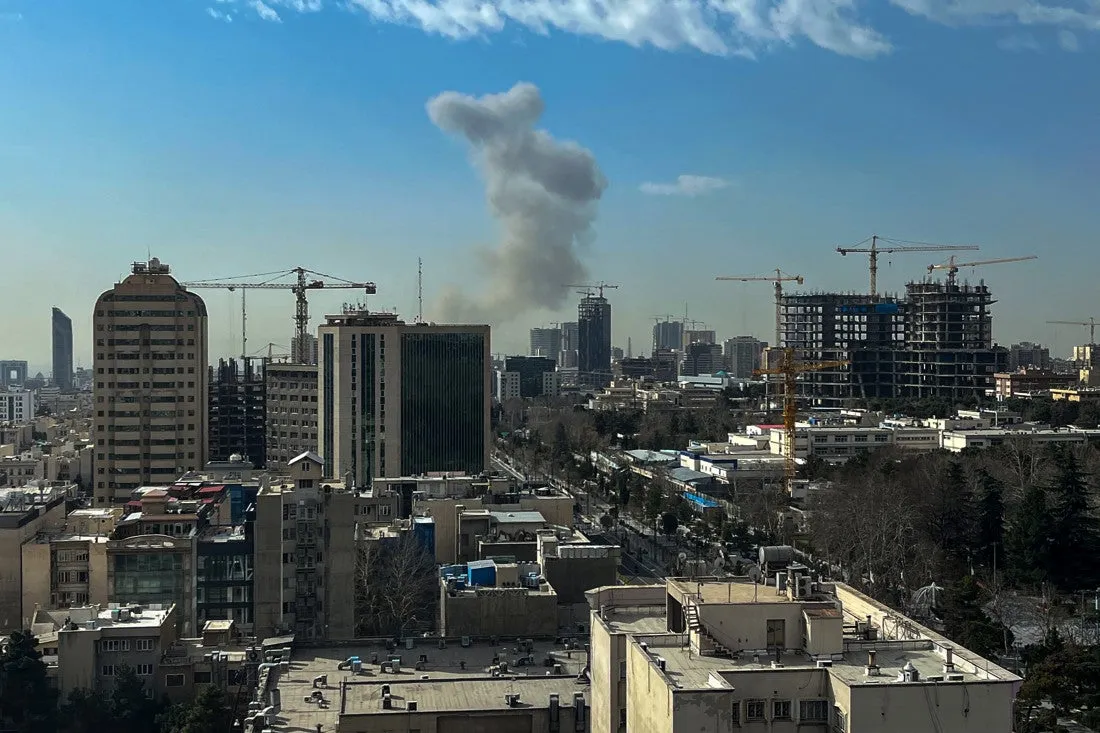
The recent military operations involving Iran have resulted in significant consequences for both regional stability and international relations. On February 28, 2026, the United States and Israel launched coordinated military operations against the Iranian regime, marking a pivotal moment in the ongoing conflict. This operation, named Epic Fury by the U.S. and Roaring Lion by Israel, has led to a series of retaliatory strikes from Iran, further escalating the situation.
In response to the military actions, Iran has unleashed sustained waves of ballistic missiles and drones targeting Israeli population centers and U.S. military positions. Reports indicate that Iran has fired over 400 ballistic missiles toward Israel since the onset of the conflict, resulting in tragic casualties. At least 17 Israeli civilians have been killed, and over 4,000 have been injured due to these missile strikes, highlighting the human cost of this escalating conflict.
Furthermore, the Iranian strikes have directly targeted locations associated with U.S. forces, leading to the deaths of at least 13 U.S. service members and approximately 140 wounded. The intensity of these attacks underscores the immediate threat posed by Iran’s military capabilities and the potential for further escalation.
In a significant development, Ali Khamenei, Iran’s Supreme Leader, was killed in strikes on Tehran, resulting in a power shift within the Iranian regime. His son, Mojtaba Khamenei, has been appointed as the new supreme leader. This change in leadership raises questions about Iran’s future direction and its approach to the ongoing conflict.
In addition to targeting Israel, Iran has also focused on energy infrastructure in Gulf countries, including oil facilities in the UAE and Saudi Arabia. This strategy not only aims to disrupt regional economies but also serves as a warning to those allied with the United States. The U.S. Central Command has reported that more than 9,000 targets have been struck, including over 140 Iranian vessels damaged or destroyed, indicating the scale of the military response.
Despite the intensity of the conflict, Iran’s ability to sustain missile attacks has significantly eroded, with ballistic missile launch rates declining by roughly 90% from peak levels. This decline may suggest that while Iran has been aggressive in its initial responses, its long-term capabilities could be compromised.
Hezbollah, Iran’s ally, has also intensified its attacks on Israel, launching rockets and missiles from southern Lebanon. This development adds another layer of complexity to the conflict, as it broadens the scope of military engagement beyond Iran and Israel.
As the conflict unfolds, uncertainties remain regarding the long-term implications of these strikes and the potential for further military escalation. The situation is fluid, and details remain unconfirmed regarding the full extent of the damage and casualties on both sides. The international community watches closely as the ramifications of these events continue to develop, potentially reshaping the geopolitical landscape of the Middle East.