
Who is involved
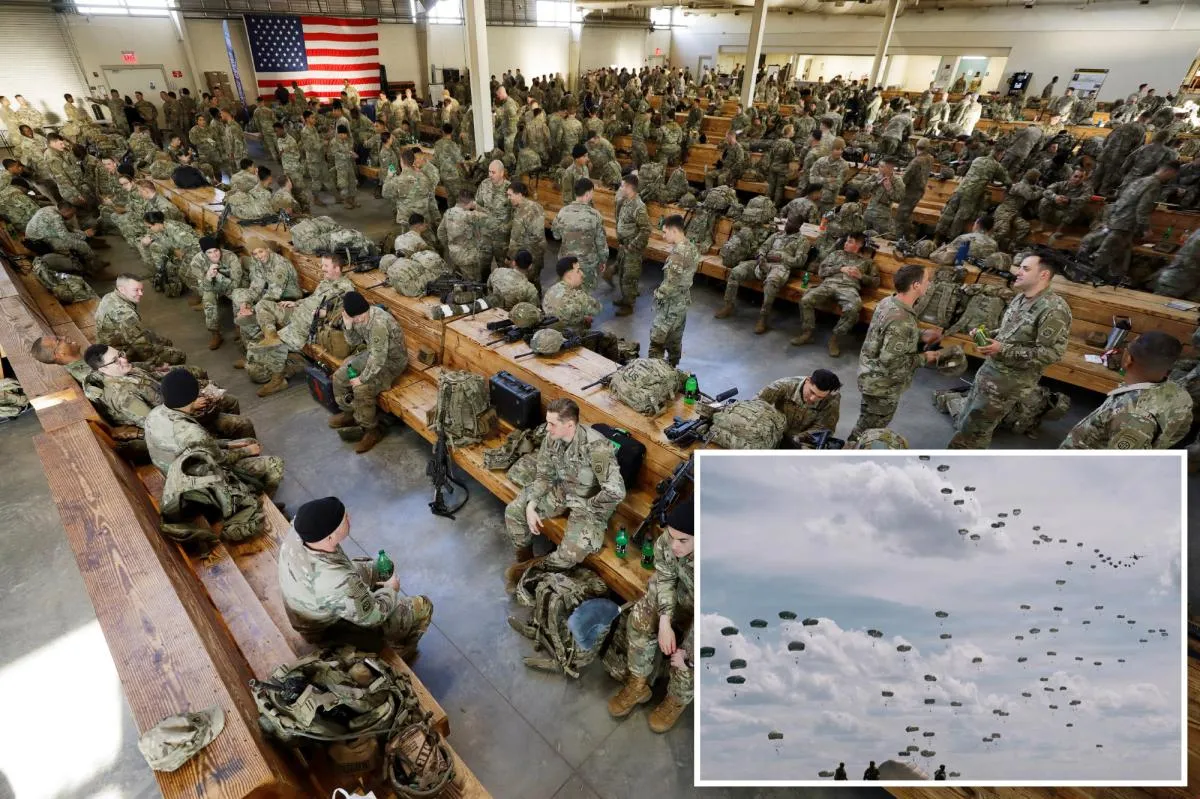
The 82nd Airborne Division, a key asset of the US Army, is known for its rapid deployment capabilities, making it a critical player in emerging conflicts. Historically, this division has been on high alert due to its ability to respond swiftly to global hotspots. As of March 24, 2026, the White House is planning to deploy around 3,000 soldiers from the 82nd Airborne Division to support Operation Epic Fury, which is focused on the situation in Iran.
Before this development, the expectation was that the 82nd Airborne Division would continue its routine readiness without immediate deployment orders. The division is designed to deploy a battalion within 18 hours and a full brigade within 72 hours, which has made it a vital component of the US military’s strategic response. However, the current geopolitical climate has shifted, prompting the need for a more immediate military presence in the region.
The decisive moment came with the Pentagon’s announcement that it is expected to deploy a brigade combat team from the 82nd Airborne Division, which can mobilize approximately 3,000 troops anywhere in the world within 18 hours. This rapid deployment capability is crucial, especially given the tensions surrounding Iran, where 90 percent of the country’s oil exports are handled by Kharg Island, located just 5 miles from the region’s conflict zones.
The immediate effects of this deployment are significant. The 82nd Airborne Division’s Immediate Response Force is being considered for action, although no final order has been issued yet. This uncertainty leaves both military personnel and the public awaiting further details on the specific role these troops will play if deployed. President Trump has not ruled out the possibility of putting US boots on the ground in the region, which adds another layer of complexity to the situation.
Experts emphasize that the deployment of the 82nd Airborne Division signals a serious commitment from the US to engage in the Middle East. The Pentagon’s decision reflects a broader strategy to support allies and deter adversaries in a volatile environment. The rapid response capabilities of the 82nd Airborne Division are not just about military might; they also serve as a political statement of US readiness to act.
Details remain unconfirmed regarding the timeline and specific operational roles for the 82nd Airborne Division’s soldiers. However, the fact that 2,500 Marines have already been dispatched to the Middle East indicates a growing military presence that could escalate further depending on developments in the region.
In summary, the deployment of the 82nd Airborne Division marks a pivotal moment in US military strategy in the Middle East. As tensions rise, the ability of this elite unit to respond quickly and effectively will be closely monitored by both military analysts and the global community. The implications of this deployment will likely unfold in the coming weeks, shaping the future of US involvement in the region.