
Reaction from the field
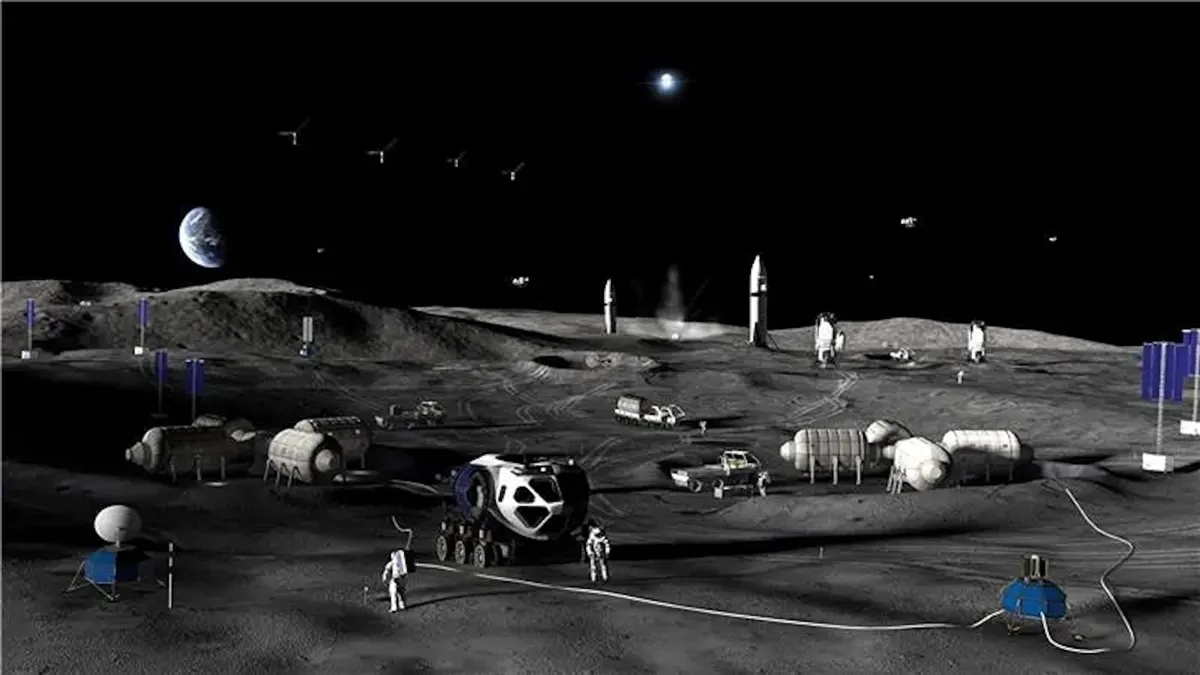
The announcement of NASA’s ambitious plan to invest $20 billion in a permanent moon base has significant implications for the future of space exploration. This initiative aims to establish a lasting human presence on the lunar surface, which could redefine humanity’s relationship with space and enhance international competition in this domain.
NASA’s strategy involves a three-phase development process for the moon base: testing technology, constructing semi-habitable areas, and ultimately establishing a long-term presence. This structured approach is designed to ensure that the base is not only functional but also sustainable. The agency is shifting its focus away from the previously proposed Gateway space station, redirecting resources and efforts towards this more concrete lunar endeavor.
According to Jared Isaacman, a prominent figure in space exploration, “NASA is committed to achieving the near‑impossible once again: to return to the moon before the end of President Trump’s term, build a moon base, establish an enduring presence, and do the other things needed to ensure American leadership in space.” This statement underscores the urgency and significance of the project, particularly in the context of global competition, especially with nations like China making strides in their own lunar ambitions.
The timeline for this initiative is aggressive. NASA aims to land astronauts on the moon every six months following the Artemis V mission, which is slated for launch in 2028. This frequency of crewed missions is unprecedented and reflects a commitment to rapidly advancing human exploration of the moon. Additionally, there are plans for 30 uncrewed landings in 2027, which will serve as critical precursors to the manned missions.
NASA’s Artemis program, which is at the heart of this lunar base initiative, has long aimed to establish a permanent presence on the moon. The Artemis IV and V missions are pivotal in this plan, with their launches set for 2028. The agency will also repurpose systems and hardware from the Gateway program to support the moon base’s construction, optimizing resources and technology.
Isaacman further elaborated on the scale of the investment, stating, “We will invest approximately $20 billion over the next seven years and build it through dozens of missions, working together with commercial and international partners towards a deliberate and achievable plan.” This collaborative approach is expected to involve partnerships with organizations such as SpaceX, Blue Origin, and international space agencies like the Japan Aerospace Exploration Agency (JAXA) and the Canadian Space Agency (CSA).
However, the path to establishing a moon base is not without its challenges. As Isaacman noted, “The moon base will not appear overnight.” The complexities of space construction, life support systems, and the harsh lunar environment present significant hurdles that must be overcome. Moreover, the geopolitical landscape adds another layer of uncertainty, as the competition for lunar resources and technological supremacy intensifies.
Details remain unconfirmed regarding the specific technologies and partnerships that will be utilized in this ambitious project. As NASA moves forward, the global space community will be closely watching the developments, as the success or failure of this initiative will likely influence the future of human space exploration for decades to come.