
Who is involved
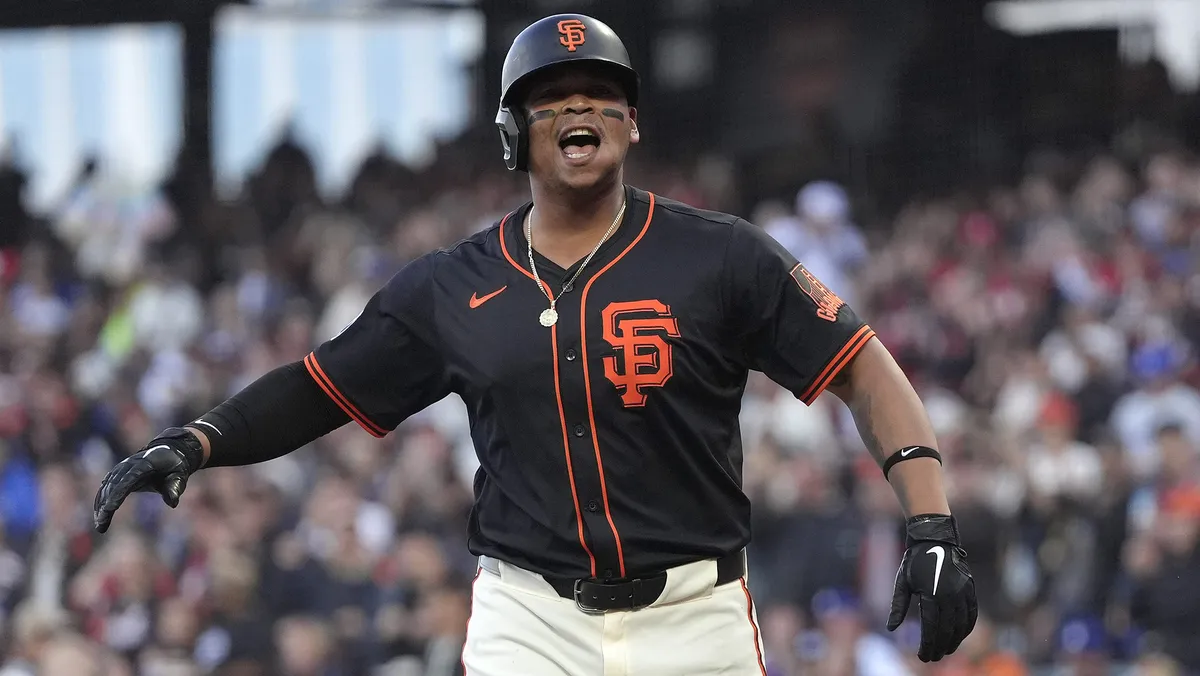
Rafael Devers, once a cornerstone player for the Boston Red Sox, has recently transitioned to the San Francisco Giants following a trade in June 2025. This move has not only altered the landscape of his career but also raised questions about his future performance and position on the field. Previously, Devers was primarily known for his role as a third baseman, where he showcased his power hitting and solid defensive skills. However, the Red Sox’s request for him to switch positions after Triston Casas’ injury led to his dissatisfaction and ultimately his departure from the team.
Before the trade, expectations for Devers were high. He had a commendable 2025 season, boasting a .252 batting average, a .372 on-base percentage, and a .479 slugging percentage. His performance included 99 runs scored, 35 home runs, and 109 runs batted in, ranking him 9th in MLB for RBIs. Despite these achievements, Devers faced challenges, including a 26.3% strikeout rate and a 15.4% walk rate, which raised concerns among analysts about his consistency at the plate.
The decisive moment came when the Red Sox decided to ask Devers to play a different position, which he was reluctant to do. “I know I’m a ballplayer, but at the same time, they can’t expect me to play every single position out there,” Devers remarked, highlighting his frustration. This pivotal change in expectations led to his trade to the Giants, where he will now start the 2026 season as a first baseman.
Devers’ transition to first base represents a significant shift in his career trajectory. Mike Axisa, a notable baseball analyst, pointed out that Devers had already begun to adapt to this new role, starting 29 of the Giants’ final 61 games at first base last season. This adaptation is crucial as the Giants look to leverage Devers’ offensive capabilities while minimizing defensive liabilities. Axisa even predicted that Devers could be a Gold Glove finalist in 2026, indicating a positive outlook on his defensive skills at the new position.
The trade has immediate effects on both the Giants and the Red Sox. For the Giants, acquiring Devers adds a powerful bat to their lineup, which can significantly enhance their offensive output. His ability to drive in runs and hit home runs will be vital as the team aims for a competitive season. Conversely, the Red Sox may have lost a key player, but they also avoided potential issues related to Devers’ position dissatisfaction, allowing them to focus on developing Triston Casas as their primary first baseman.
Experts have weighed in on the implications of this trade. One commentator noted, “The Red Sox were right that Devers isn’t a third baseman, but the trade was still a very good one for the Giants to have made.” This perspective underscores the strategic nature of the trade, suggesting that both teams may benefit from the change despite the initial upheaval.
As Devers prepares for the upcoming season, the baseball community will be watching closely to see how he adapts to his new role and whether he can replicate or even improve upon his previous performance. The shift from third base to first base is not just a change in position; it is a pivotal moment in his career that could redefine his legacy in Major League Baseball. Details remain unconfirmed regarding the long-term impacts of this trade, but the immediate effects are already being felt by both teams involved.